Educational quiz app · Ages 5-10
This is what learning looks like


Educational quiz app · Ages 5-10
This is what learning looks like
No nagging required. Keep the learning going after the worksheet, with every question read aloud and Owee guiding each step.
Scan with your phone camera
- Family-friendly
- No ads
- Private
Maths · Symmetry colouring worksheet
Symmetry Butterfly Worksheet (Free KS1 Maths Printable)
This free printable introduces line symmetry through a friendly butterfly. The line down the centre of its body is a line of symmetry: the two halves are mirror images of each other. The left wings are already patterned with circles and ovals. Your child draws the same pattern on the blank right wings, in mirror positions, then colours both sides to match.
It is a first taste of completing a symmetric figure, and it prints on one A4 page.
What your child is learning
‘identify and describe the properties of 2-D shapes, including the number of sides, and line symmetry in a vertical line’
Year 2 Maths: Geometry – properties of shapes, National Curriculum in England. Source and licence
Symmetry: Finish the Butterfly
Free Maths worksheet · Ages 6 to 7
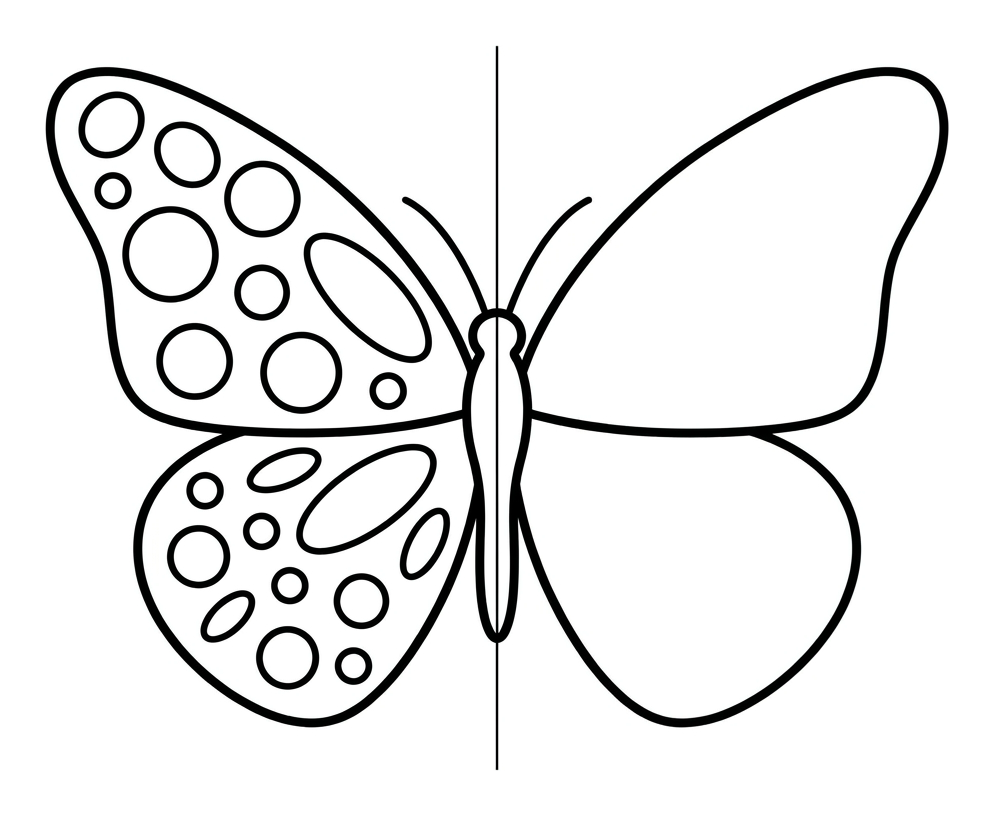
Finish the butterfly
The line down the middle is a line of symmetry. The two halves should match, like a mirror.
- Draw the same spots on the blank wings, in the mirror places.
- Colour both sides with the same colours, so the halves match.
- Colour the body and the antennae.
 Symmetry: Finish the ButterflySheet 64
What this worksheet teaches
Symmetry is one of the first ideas about shape that children meet in Key Stage 1. A shape (or picture) has a line of symmetry when you could fold it along that line and the two halves would sit exactly on top of one another. Butterflies are a clear real-world example because almost every butterfly is symmetrical about the vertical line down the middle of its body. By drawing and colouring the blank wings to mirror the patterned ones, children turn an abstract idea into something they can see and do with their own hands.
How to use the worksheet at home or in class
Print the sheet on A4 and have crayons or coloured pencils ready. Point out the straight line down the centre of the butterfly and explain that it splits the picture into two matching halves. Ask the child to look closely at the decorated wings, then draw each shape on the blank side at the same distance from the centre line, and colour it to match. There are 21 shapes to copy, so it is fine to start with the big ovals and add the small circles in a second sitting. A common slip is copying the pattern the same way round instead of flipping it: a shape near the body on one side must be near the body on the other. To extend the activity, hold the finished sheet up to a window or fold it gently along the centre line to check that the two halves really do match.
Linking to the Year 2 curriculum
In England, line symmetry first appears in the Year 2 programme of study for geometry, where pupils are expected to identify and describe line symmetry in a vertical line. Working with a vertical line of symmetry, as in this butterfly, matches that wording precisely. The activity also supports the broader Year 1 and Year 2 aims of recognising and describing 2-D shapes and noticing patterns in the world around them.
Ideas to extend the learning
Once the butterfly is complete, look for other symmetrical things around the home: a leaf, the front of a house, a person's face, or letters such as A, M and T. You could fold a sheet of paper in half, paint a blob on one side and press the halves together to make a symmetrical 'butterfly' print. These small explorations help children understand that symmetry is everywhere, not just on a worksheet.
Frequently asked questions
What age is this symmetry butterfly worksheet for?
It is designed for children aged 6 to 7 (Year 2 in England), but younger children in Year 1 can enjoy it with a little help, and older children can use it as a quick refresher on line symmetry.
Is the worksheet really free to print?
Yes. The worksheet is completely free to download and print at home or in the classroom. It is designed to fit on a single A4 page so you only need one sheet of paper per child.
What is a line of symmetry?
A line of symmetry is a line that divides a shape or picture into two halves that are mirror images of each other. If you folded the picture along that line, the two halves would match exactly. The butterfly has a vertical line of symmetry down the middle of its body.
Why are butterflies used to teach symmetry?
Butterflies are almost perfectly symmetrical about a vertical line, so their wings make the idea easy to see. Copying the pattern from one side to the other gives children a clear, hands-on way to understand mirror images.
How does this link to the National Curriculum?
It supports the Year 2 geometry objective to identify and describe line symmetry in a vertical line, and reinforces recognising and naming 2-D shapes from Year 1.
Curriculum links
- Year 2 Maths: Geometry – properties of shapes (statutory): 'identify and describe the properties of 2-D shapes, including the number of sides, and line symmetry in a vertical line'
Quoted word for word from Department for Education documents: the National Curriculum in England, the EYFS framework or the RSHE guidance. Contains public sector information licensed under the Open Government Licence v3.0.
Made by The Owee education team. Updated 13/10/2026. Free to print and share.
More maths worksheets
All Year 2 Maths worksheets →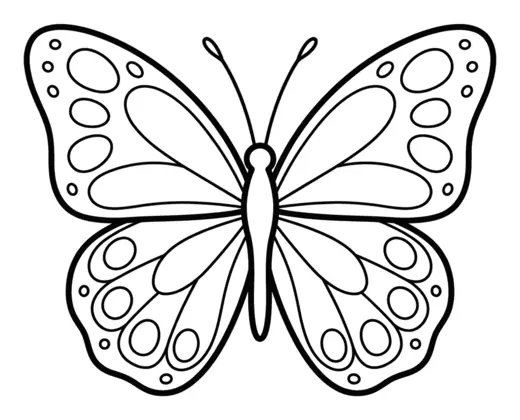
Years 2–4 · SymmetrySheet 63
Butterfly Lines of Symmetry
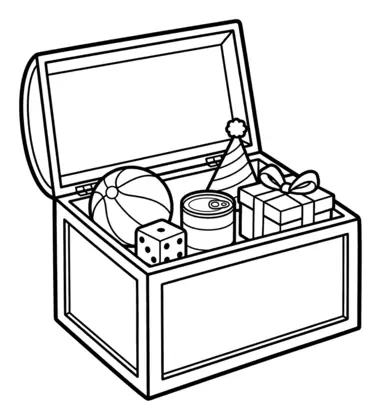
Years 1–2 · 3D shapesSheet 11
3D Shapes Around Us
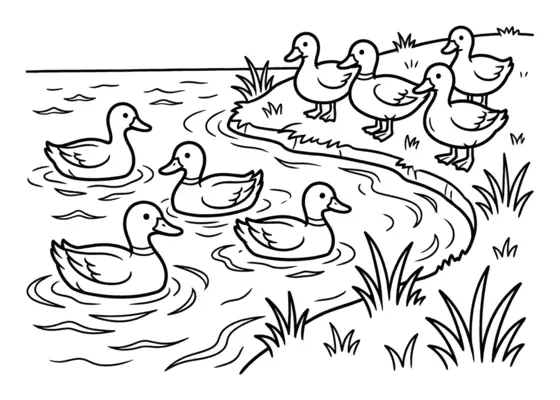
Reception–Year 1 · Addition and subtractionSheet 12
Adding to 10: Ducks on the Pond
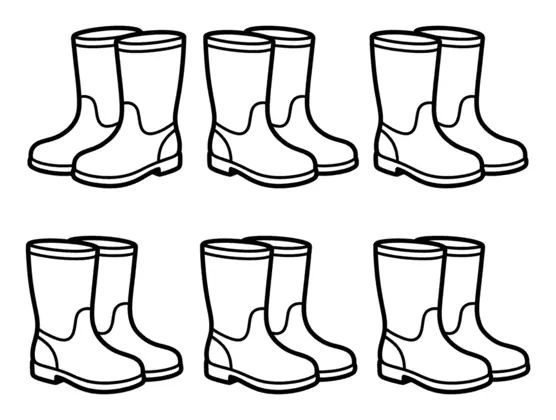
Years 1–2 · CountingSheet 14
Count in 2s: Pairs of Wellies
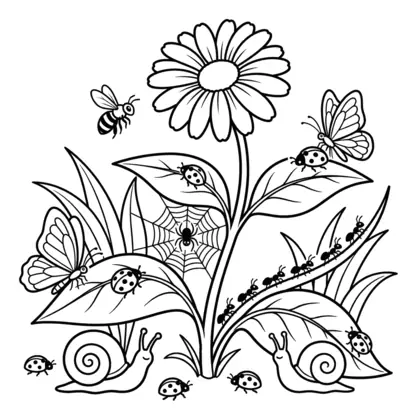
Reception–Year 1 · CountingSheet 1
Count the Minibeasts
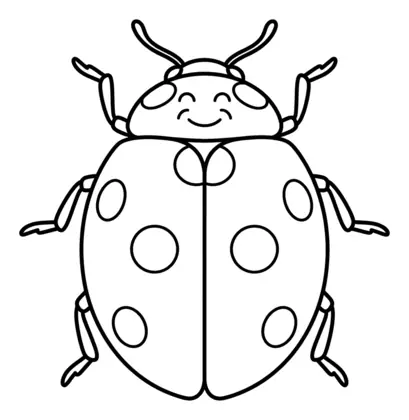
Reception–Year 1 · CountingSheet 15
Count to 20: Ladybird Spots
Educational quiz app · Ages 5-10
More learning in the Owee app
Owee turns topics like this into quizzes for children aged 5 to 10, and a treehouse grows as they learn. No ads, no chat, no strangers.
- Family-friendly
- No ads
- Private
Educational quiz app · Ages 5-10
More learning in the Owee app
Owee turns topics like this into quizzes for children aged 5 to 10, and a treehouse grows as they learn. No ads, no chat, no strangers.
Scan with your phone camera
- Family-friendly
- No ads
- Private