Educational quiz app · Ages 5-10
This is what learning looks like


Educational quiz app · Ages 5-10
This is what learning looks like
No nagging required. Keep the learning going after the worksheet, with every question read aloud and Owee guiding each step.
Scan with your phone camera
- Family-friendly
- No ads
- Private
Maths · Net and short-answer worksheet
Net of a Cube Worksheet (Free KS2 Maths Printable)
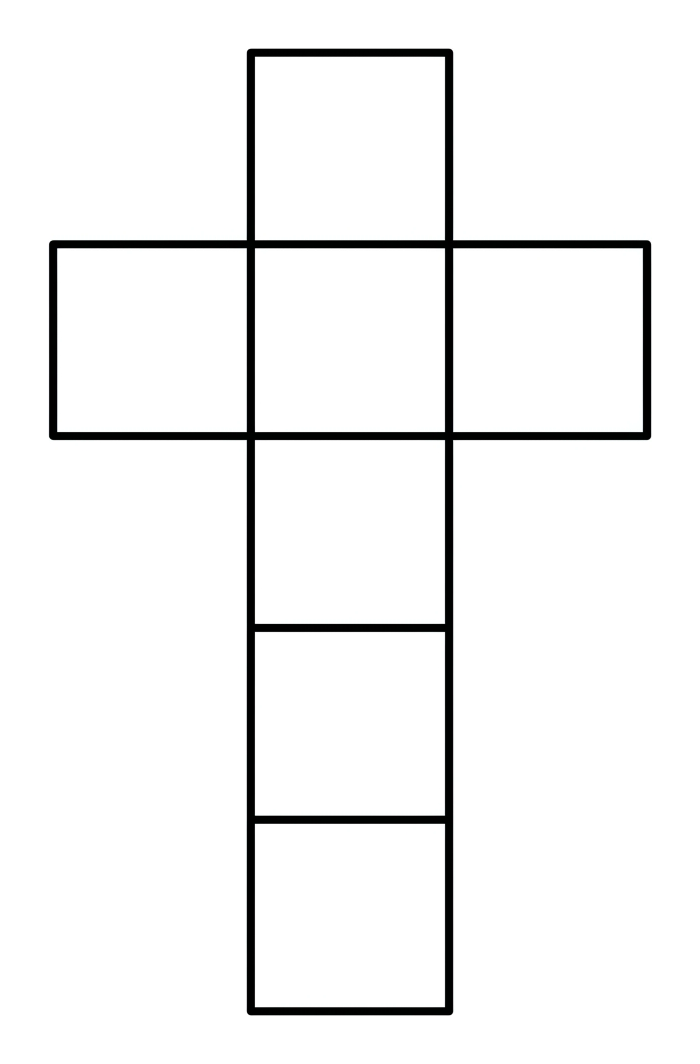
A net is a flat shape that folds up into a solid 3D shape, and the cube is the natural place for children to begin. This free printable shows the classic cross-shaped net of a cube: six equal squares, numbered 1 to 6. Your child works out which squares end up opposite each other when the net is folded, then colours each pair of opposite faces the same colour and folds the net to check.\n\nIt is completely free to print, use and share, at home or in the classroom. Just hit print, or save it as a PDF.
What your child is learning
‘recognise, describe and build simple 3-D shapes, including making nets’
Year 6 Maths: Geometry – properties of shapes, National Curriculum in England. Source and licence
Net of a Cube
Free Maths worksheet · Ages 10 to 11
Fold it in your head
This net folds into a cube. Imagine folding it up, then answer the questions.
How many squares does the net have? How many faces does a cube have?
When the net is folded, which square is opposite square 1?
Which square is opposite square 2?
Which square is opposite square 3?
Square 6 could move to touch square 4 instead. Would the net still fold into a cube?
Colour and fold
Give each pair of opposite faces the same colour, so you use 3 colours. Then cut out the net, fold along the lines and tape it to check.
 Net of a CubeSheet 178
Answers: Net of a Cube
Sheet 178
- How many squares does the net have? How many faces does a cube have? — 6 squares, and a cube has 6 faces.
- When the net is folded, which square is opposite square 1? — Square 5
- Which square is opposite square 2? — Square 4
- Which square is opposite square 3? — Square 6
- Square 6 could move to touch square 4 instead. Would the net still fold into a cube? — Yes. A column of three with squares on both sides still folds into a cube; it is one of the 11 nets of a cube.
For grown-ups. Free worksheets and the Owee quiz app at owee.world
Answer key
- How many squares does the net have? How many faces does a cube have? — 6 squares, and a cube has 6 faces.
- When the net is folded, which square is opposite square 1? — Square 5
- Which square is opposite square 2? — Square 4
- Which square is opposite square 3? — Square 6
- Square 6 could move to touch square 4 instead. Would the net still fold into a cube? — Yes. A column of three with squares on both sides still folds into a cube; it is one of the 11 nets of a cube.
What is the net of a cube?
A net is the flat, unfolded version of a 3D shape. If you carefully cut along some of the edges of a cardboard box and open it out flat, the shape you are left with is its net. The net of a cube is made of six identical squares, because a cube has six faces and every face is the same size. When the net is folded along its edges, those six squares come together to form the closed solid we call a cube. Crossing out the bottom square of the shape on this worksheet leaves the familiar cross; crossing out the top square leaves a T-shape, which also works. In fact there are eleven different nets that fold into a cube, which makes this a rich topic for discussion.
How this worksheet supports Year 6 maths
In Year 6, children are expected to recognise, describe and build simple 3D shapes, including making nets. This printable focuses on the cube as a starting point because its faces are all congruent squares, which makes the relationship between the flat net and the finished solid easy to see. The opposite-faces questions make children reason rather than recall: they have to picture the folding to see which squares meet and which end up facing each other. A common mistake is to remove a side square, which leaves five squares in a straight line; folded round, the fifth lands on top of the first and one face is left open. Colouring opposite faces to match then asks them to predict the folded cube before they build it.
Turning the worksheet into a fold-it-yourself model
This sheet works best when it is used practically. After colouring, your child can cut around the net, fold along each line between the squares, and tape the edges to build a real cube. If they coloured opposite faces the same, each colour will appear on two opposite sides of the cube, which checks their answers. It bridges the gap between a flat drawing and a solid shape.
Extending the learning at home or in class
Once your child is confident with this cross net, encourage them to investigate the other arrangements of six squares that also fold into a cube. Squared paper is ideal for this: ask them to draw a net, predict whether it will work, then cut and fold to test it. It is just as useful to discover nets that fail — some arrangements of six squares overlap or leave a face missing — because explaining why a net does not work shows genuine understanding. From here, children can move on to the nets of other shapes such as cuboids, square-based pyramids and triangular prisms.
Frequently asked questions
What is the net of a cube?
The net of a cube is a flat shape made of six equal squares joined edge to edge. When it is folded along those edges, the six squares form the six faces of a cube. The cross you get by crossing out the bottom square on this worksheet is the best-known example.
How many nets does a cube have?
A cube has 11 different nets. They are all made of six equal squares, arranged in different ways. The cross on this sheet is the best known. Drawing nets on squared paper and folding them is a good way to find the others.
Is this worksheet suitable for Year 6?
Yes. It is aimed at children aged 10 to 11 and supports the Year 6 objective to recognise, describe and build simple 3D shapes, including making nets. It can also be used as a confidence-builder for able Year 5 pupils.
Can my child cut out and fold the net?
Yes, and it is one of the best ways to use it. After colouring, cut round the net, fold along each line and tape the edges. The finished cube shows straight away whether the opposite-face answers were right.
Is the worksheet really free to print?
Yes. The worksheet is completely free, prints onto a single sheet of A4 and needs no special equipment beyond colouring pencils and, if you wish to build the cube, scissors and tape.
Curriculum links
- Year 6 Maths: Geometry – properties of shapes (statutory): 'recognise, describe and build simple 3-D shapes, including making nets'
- Year 6 Geometry — properties of shapes: 'compare and classify geometric shapes based on their properties and sizes'
- Year 5 Geometry — properties of shapes: 'identify 3-D shapes, including cubes and other cuboids, from 2-D representations'
Quoted word for word from Department for Education documents: the National Curriculum in England, the EYFS framework or the RSHE guidance. Contains public sector information licensed under the Open Government Licence v3.0.
Made by The Owee education team. Updated 13/10/2026. Free to print and share.
More maths worksheets
All Year 6 worksheets →
Years 1–2 · 3D shapesSheet 11
3D Shapes Around Us
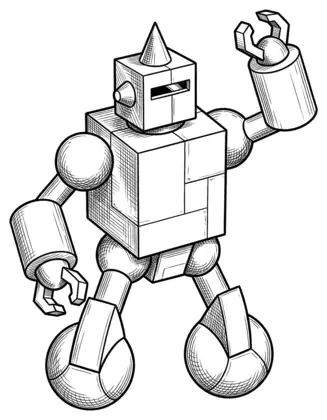
Years 2–3 · 3D shapesSheet 56
Robot 3D Shapes: Faces, Edges and Vertices
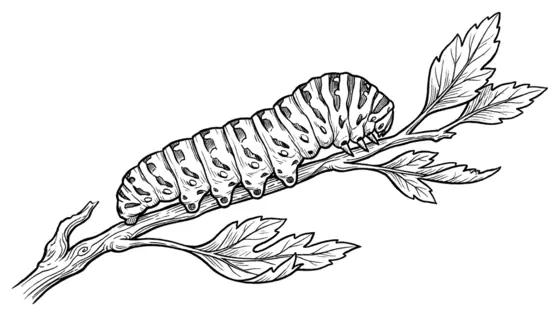
Years 4–5 · DecimalsSheet 137
Decimals and Fractions Caterpillar
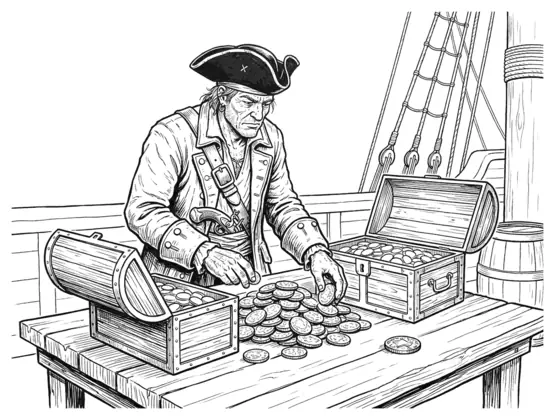
Years 4–5 · Multiplication and divisionSheet 168
Division with Remainders
Years 4–5 · Times tablesSheet 142
Mixed Times Tables to 12
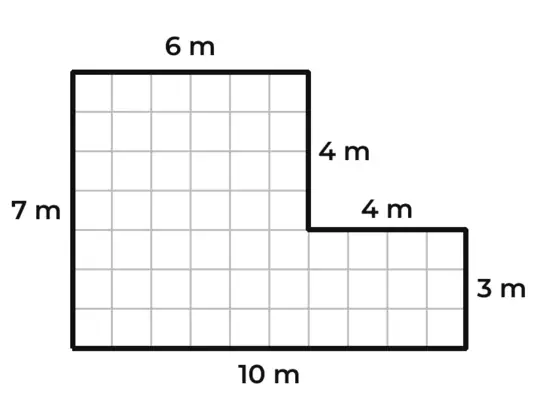
Years 4–5 · Perimeter and areaSheet 169
Perimeter and Area of the Garden
Educational quiz app · Ages 5-10
More learning in the Owee app
Owee turns topics like this into quizzes for children aged 5 to 10, and a treehouse grows as they learn. No ads, no chat, no strangers.
- Family-friendly
- No ads
- Private
Educational quiz app · Ages 5-10
More learning in the Owee app
Owee turns topics like this into quizzes for children aged 5 to 10, and a treehouse grows as they learn. No ads, no chat, no strangers.
Scan with your phone camera
- Family-friendly
- No ads
- Private