
Educational quiz app · Ages 5-10
This is what learning looks like


Educational quiz app · Ages 5-10
This is what learning looks like
No nagging required. Keep the learning going after the worksheet, with every question read aloud and Owee guiding each step.
Scan with your phone camera
- Family-friendly
- No ads
- Private
Free Year 1 maths worksheets (age 5-6)
Year 1 maths is about building a strong sense of number for children aged 5 to 6. They count to and across 100, count in 2s, 5s and 10s, and learn number bonds and related subtraction facts within 20. They find halves and quarters of shapes and amounts, recognise coins and notes, use the days of the week and months, and tell the time to the hour and half past.
Shape work covers naming common 2D shapes, such as circles, triangles and rectangles, and 3D shapes such as cubes, pyramids and spheres. These sheets practise all of those areas, and a few, such as odd and even numbers and symmetry, give a taste of Year 2.
In Northern Ireland this is Primary 2 maths, and in Scotland it is roughly Primary 2. Wales uses the name Year 1.
Also known as: Scotland P2 · Northern Ireland P2 · Wales Year 1
Counting
All counting worksheets →Children learn to count objects one by one, read and write numbers, and count in steps such as 2s, 5s and 10s. Confident counting is the base for adding, subtracting and the times tables.
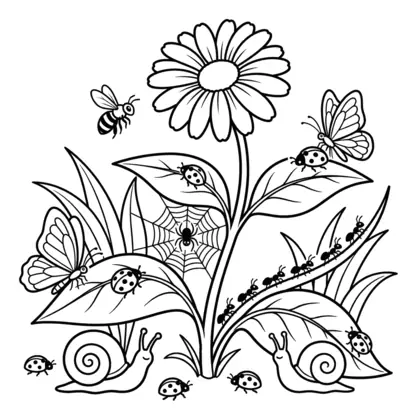
Reception–Year 1Sheet 1
Count the Minibeasts
Print free →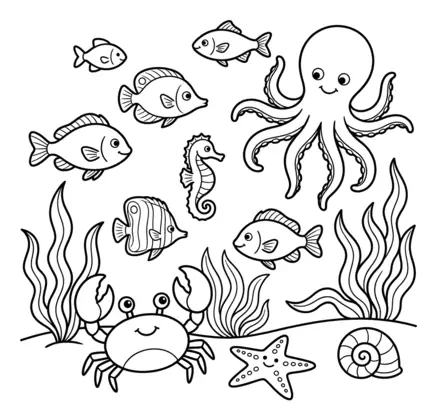
Reception–Year 1Sheet 2
Under the Sea: Count the Ocean Animals
Print free →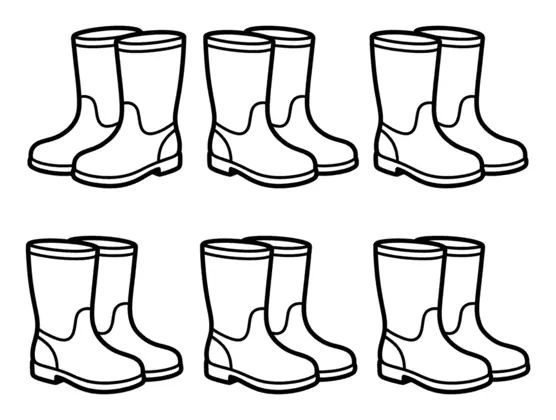
Years 1–2Sheet 14
Count in 2s: Pairs of Wellies
Print free →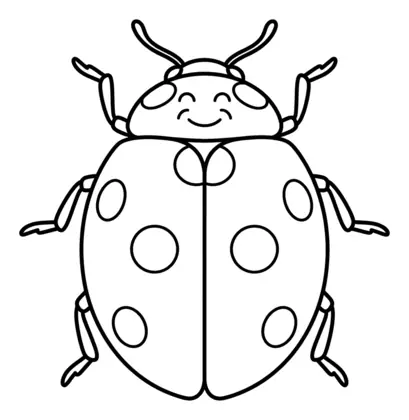
Reception–Year 1Sheet 15
Count to 20: Ladybird Spots
Print free →
Years 1–2Sheet 16
Counting in 5s and 10s
Print free →Place value
All place value worksheets →Children learn what each digit in a number is worth, from tens and ones in Year 2 to thousands in Year 4 and millions by Year 6. It helps them compare, order and calculate with numbers.
Odd and even numbers
Children find out that even numbers can be shared into pairs with none left over and odd numbers cannot. In Year 2 they link this to counting in 2s and the 2 times table.
Addition and subtraction
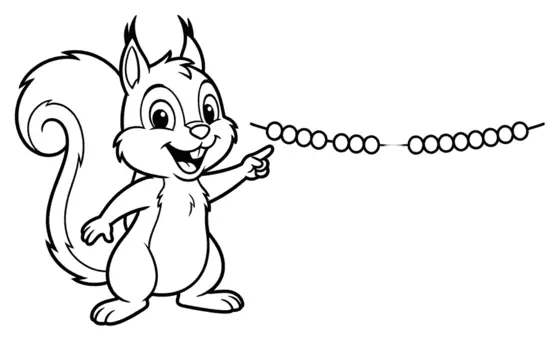
All addition and subtraction worksheets →Children start by combining and taking away small groups, learn number bonds to 10 and 20, then move on to mental methods and written column methods with bigger numbers.
Fractions
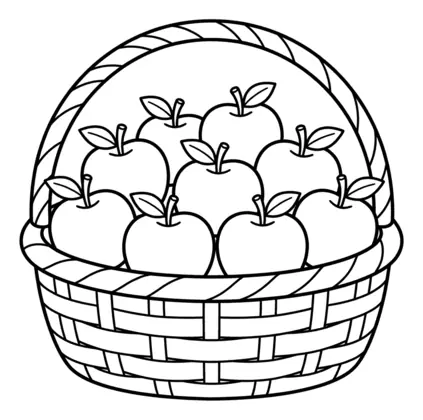
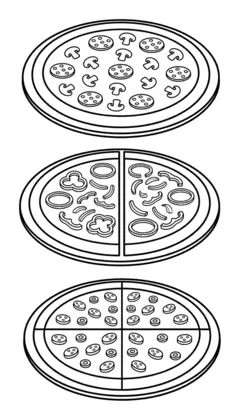
All fractions worksheets →Children begin with halves and quarters of shapes and amounts, then learn thirds, eighths and equivalent fractions, and later add, subtract and multiply fractions.
Money
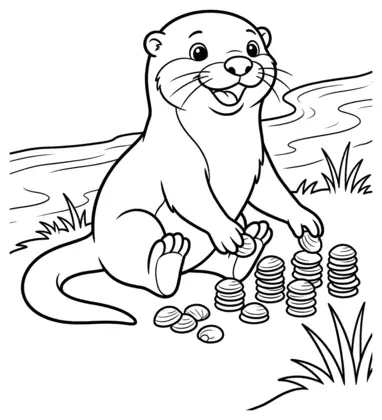
Children recognise UK coins and notes and their values, add amounts together to make a total, and later work out change.
Telling the time
All telling the time worksheets →Children learn to read o'clock and half past in Year 1, then quarter past, quarter to and five-minute times, and later the 12-hour and 24-hour clock.
Days and months
Children learn the days of the week and the months of the year in order, and use words such as yesterday, today and tomorrow. In Year 3 they learn how many days are in each month.
2D shapes
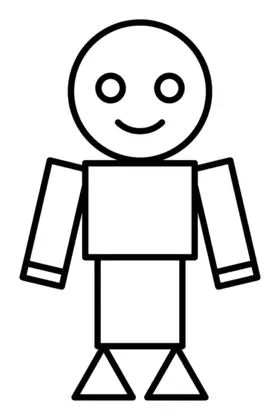
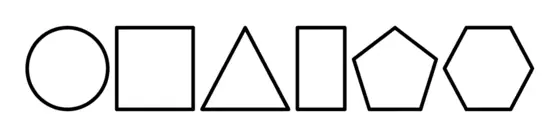
Children name flat shapes such as circles, squares, triangles and rectangles, then describe them by counting their sides and corners and spotting lines of symmetry.
3D shapes
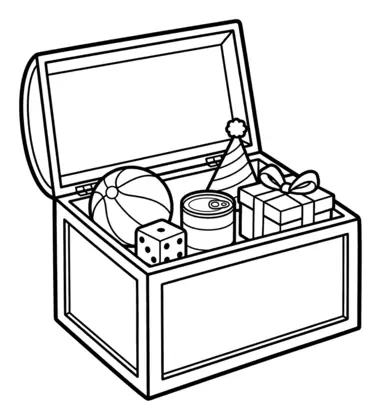
Children name solid shapes such as cubes, cylinders, cones and spheres, count their faces, edges and vertices, and in Year 6 build them from nets.
Symmetry
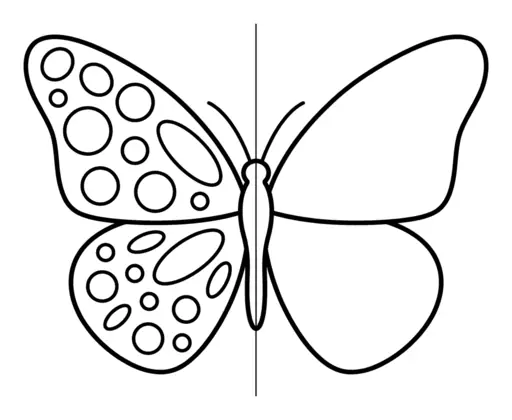
Children learn that a symmetrical shape has two matching halves, find a line of symmetry, and complete a picture so that both sides match.
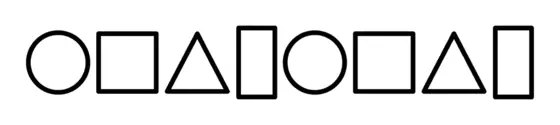
Patterns
Children copy, continue and make their own repeating patterns with shapes, colours and objects, which builds early reasoning and an eye for sequences.
Year 1 maths in everyday life
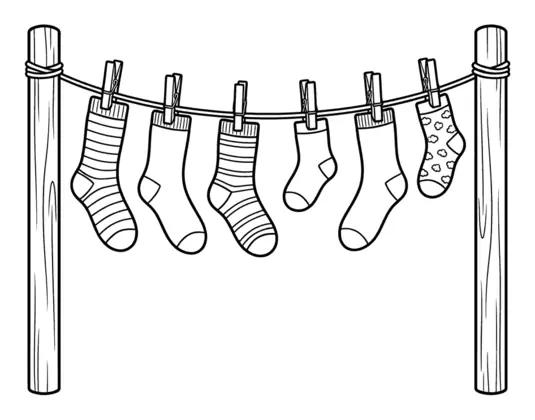
Many Year 1 skills fit into ordinary days. Count in 2s with pairs of socks, share a pizza into halves and quarters, and point out o'clock and half past on a real clock. Let your child pay for something small with coins. Practical work like this makes the sheets much easier, because the ideas already make sense before they meet them on paper.
What comes next in Year 2
Year 2 builds directly on this. Children add and subtract two-digit numbers, learn the 2, 5 and 10 times tables, tell the time to five minutes and use the £ and p signs. If your child is secure with the Year 1 work, the Year 2 maths sheets are a natural next step, and the Year 1 sheets stay useful for a quick warm-up.
Questions parents ask
What is a number bond?
A number bond is a pair of numbers that add up to a given total, like 7 and 3 for 10. In Year 1, children learn number bonds within 20 and the matching subtraction facts, such as 10 take away 3 is 7.
When do children learn to tell the time?
In Year 1 they tell the time to the hour and half past and draw the hands on a clock. Year 2 moves on to five minutes, quarter past and quarter to, and Year 3 adds Roman numerals and the 24-hour clock.
Is there a cost for these maths sheets?
No cost at all. The sheets are free to print and share with no sign-up, so you can print one as many times as your child needs.
Educational quiz app · Ages 5-10
More learning in the Owee app
Owee turns topics like this into quizzes for children aged 5 to 10, and a treehouse grows as they learn. No ads, no chat, no strangers.
- Family-friendly
- No ads
- Private
Educational quiz app · Ages 5-10
More learning in the Owee app
Owee turns topics like this into quizzes for children aged 5 to 10, and a treehouse grows as they learn. No ads, no chat, no strangers.
Scan with your phone camera
- Family-friendly
- No ads
- Private