Educational quiz app · Ages 5-10
This is what learning looks like


Educational quiz app · Ages 5-10
This is what learning looks like
No nagging required. Keep the learning going after the worksheet, with every question read aloud and Owee guiding each step.
Scan with your phone camera
- Family-friendly
- No ads
- Private
Maths · Missing-number worksheet
Number Bonds to 100 Worksheet: Free Year 2 Maths with Answers
This free, printable worksheet helps children learn number bonds to 100. It starts with tens, such as 30 and 70. Then it moves on to pairs like 46 and 54, and ends with take-away questions from 100.
It prints on one A4 page, and the answers print on a second page for grown-ups.
What your child is learning
‘recall and use addition and subtraction facts to 20 fluently, and derive and use related facts up to 100’
Year 2 Maths: Number – addition and subtraction, National Curriculum in England. Source and licence

Number Bonds to 100
Free Maths worksheet · Ages 6 to 7
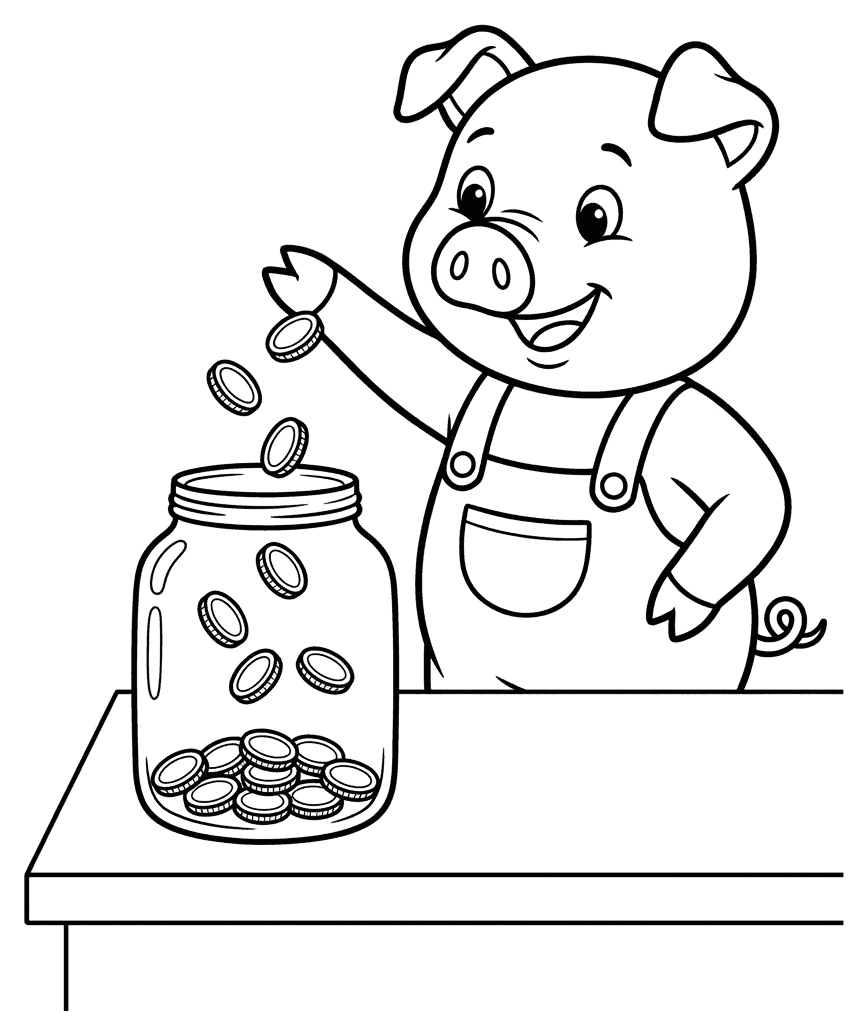
Tens to 100
Each pair of tens makes 100. Write the missing number.
- 1.80 + = 100
- 2.60 + = 100
- 3.10 + = 100
- 4.40 + = 100
- 5.70 + = 100
- 6.30 + = 100
- 7.50 + = 100
- 8.90 + = 100
- 9.20 + = 100
Any number to 100
The ones make 10 and the tens make 90. Write the missing number.
- 1.67 + = 100
- 2.19 + = 100
- 3.64 + = 100
- 4.79 + = 100
- 5.43 + = 100
- 6.29 + = 100
- 7. + 65 = 100
- 8. + 38 = 100
- 9. + 53 = 100
Take away from 100
Use your number bonds to answer these.
- 1.100 − 33 =
- 2.100 − 10 =
- 3.100 − 66 =
- 4.100 − 20 =
- 5.100 − 13 =
- 6.100 − 70 =
 Number Bonds to 100Sheet 57
Answers: Number Bonds to 100
Sheet 57
- 80 + 20 = 100
- 60 + 40 = 100
- 10 + 90 = 100
- 40 + 60 = 100
- 70 + 30 = 100
- 30 + 70 = 100
- 50 + 50 = 100
- 90 + 10 = 100
- 20 + 80 = 100
- 67 + 33 = 100
- 19 + 81 = 100
- 64 + 36 = 100
- 79 + 21 = 100
- 43 + 57 = 100
- 29 + 71 = 100
- 35 + 65 = 100
- 62 + 38 = 100
- 47 + 53 = 100
- 100 − 33 = 67
- 100 − 10 = 90
- 100 − 66 = 34
- 100 − 20 = 80
- 100 − 13 = 87
- 100 − 70 = 30
For grown-ups. Free worksheets and the Owee quiz app at owee.world
Answer key
- 80 + 20 = 100
- 60 + 40 = 100
- 10 + 90 = 100
- 40 + 60 = 100
- 70 + 30 = 100
- 30 + 70 = 100
- 50 + 50 = 100
- 90 + 10 = 100
- 20 + 80 = 100
- 67 + 33 = 100
- 19 + 81 = 100
- 64 + 36 = 100
- 79 + 21 = 100
- 43 + 57 = 100
- 29 + 71 = 100
- 35 + 65 = 100
- 62 + 38 = 100
- 47 + 53 = 100
- 100 − 33 = 67
- 100 − 10 = 90
- 100 − 66 = 34
- 100 − 20 = 80
- 100 − 13 = 87
- 100 − 70 = 30
From bonds to 10 to bonds to 100
If 3 and 7 make 10, then 30 and 70 make 100. That is why the first part of the sheet uses tens only. For other numbers, look at the ones first: they make 10. Then the tens make 90, not 100, because the extra ten comes from the ones. So 46 needs 54: 6 and 4 make 10, and 40 and 50 make 90.
How to help at home
A £1 coin is worth 100p, so money is a good way to practise. Put out 35p and ask how much more makes £1. A tape measure works too. 100 centimetres make 1 metre, so cover the first 62 centimetres with your hand and ask how many are left.
Why it matters
In Year 2, children use the facts they know to 20 to work out related facts up to 100. Bonds to 100 are among the most useful of these. They help with change from £1, and with adding and taking away 2-digit numbers in their heads.
Frequently asked questions
What year group learns number bonds to 100?
Year 2, in the National Curriculum in England, when children are 6 to 7. They start with multiples of 10, like 40 + 60. Pairs like 37 + 63 take longer, and Year 3 is a good time to keep practising them.
Why do the tens add up to 90, not 100?
Because the ones make another 10. In 37 + 63, the 7 and 3 make 10, and 30 and 60 make 90, so the total is 100. Children who make the tens add up to 100 give answers like 73 instead of 63, so this is a common slip.
Is this worksheet really free?
Yes. Print it, save it as a PDF or share it with other parents and teachers. There is no sign-up and no email needed.
Curriculum links
- Year 2 Maths: Number – addition and subtraction (statutory): 'recall and use addition and subtraction facts to 20 fluently, and derive and use related facts up to 100'
- Year 2 Maths: Number – addition and subtraction (statutory): 'recognise and use the inverse relationship between addition and subtraction and use this to check calculations and solve missing number problems'
Quoted word for word from Department for Education documents: the National Curriculum in England, the EYFS framework or the RSHE guidance. Contains public sector information licensed under the Open Government Licence v3.0.
Made by The Owee education team. Updated 13/10/2026. Free to print and share.
More maths worksheets
All Year 2 Maths worksheets →
Year 4 · Addition and subtractionSheet 134
4-Digit Column Addition
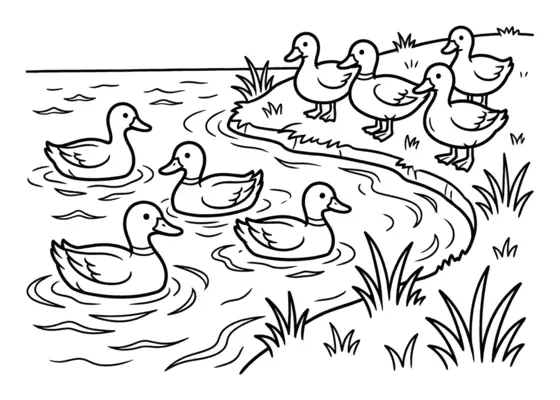
Reception–Year 1 · Addition and subtractionSheet 12
Adding to 10: Ducks on the Pond
Years 3–4 · Addition and subtractionSheet 96
Column Addition
Years 3–4 · Addition and subtractionSheet 97
Column Subtraction
Reception–Year 1 · Addition and subtractionSheet 13
Number Bonds to 10
Years 1–2 · Addition and subtractionSheet 58
Number Bonds to 20
Educational quiz app · Ages 5-10
More learning in the Owee app
Owee turns topics like this into quizzes for children aged 5 to 10, and a treehouse grows as they learn. No ads, no chat, no strangers.
- Family-friendly
- No ads
- Private
Educational quiz app · Ages 5-10
More learning in the Owee app
Owee turns topics like this into quizzes for children aged 5 to 10, and a treehouse grows as they learn. No ads, no chat, no strangers.
Scan with your phone camera
- Family-friendly
- No ads
- Private