Educational quiz app · Ages 5-10
This is what learning looks like


Educational quiz app · Ages 5-10
This is what learning looks like
No nagging required. Keep the learning going after the worksheet, with every question read aloud and Owee guiding each step.
Scan with your phone camera
- Family-friendly
- No ads
- Private
Science · Colouring and counting worksheet
Count the Minibeasts: Free KS1 Science Worksheet
Minibeasts are a firm favourite in Key Stage 1 science, and they are a brilliant way to introduce children to living things and the places they live. This free printable combines two skills in one A4 sheet: counting small groups and naming common garden minibeasts, so children practise early number work and science vocabulary at the same time.
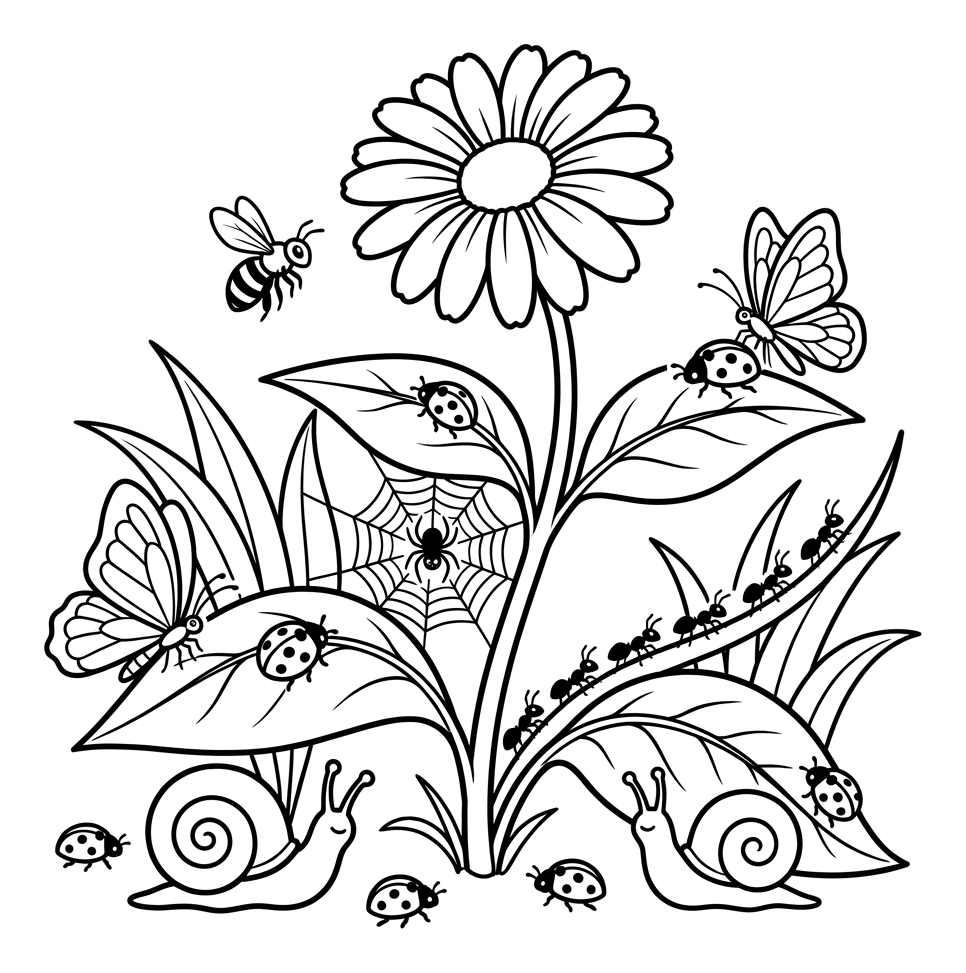
The worksheet pairs a line-art garden scene to colour with five counting questions: four small groups (the largest is seven ladybirds) and a challenge to count all 19 minibeasts. It works equally well as a starter activity, a homework task, or a calming follow-up to a real minibeast hunt outdoors.
What your child is learning
‘Have a deep understanding of numbers to 10, including the composition of each number.’
Reception (EYFS): Number early learning goal, Department for Education. Source and licence
Count the Minibeasts
Free Science worksheet · Ages 5 to 7
Count the minibeasts
Look carefully at the garden. Count each kind of minibeast. Tick each one as you count it. Write the number in the box.
- How many ladybirds can you find?
- How many ants are in the line?
- How many snails are there?
- How many butterflies are there?
- Challenge: how many minibeasts are there altogether?
Colour the garden
Now colour the garden. Try to use real minibeast colours.
- Colour the ladybirds red with black spots, and the bee yellow and black.
- Colour the butterflies, leaves and flower in any colours you like.
 Count the MinibeastsSheet 1
Answers: Count the Minibeasts
Sheet 1
- How many ladybirds can you find? — 7
- How many ants are in the line? — 6
- How many snails are there? — 2
- How many butterflies are there? — 2
- Challenge: how many minibeasts are there altogether? — 19 (7 ladybirds, 6 ants, 2 snails, 2 butterflies, 1 bee and 1 spider)
For grown-ups. Free worksheets and the Owee quiz app at owee.world
Answer key
- How many ladybirds can you find? — 7
- How many ants are in the line? — 6
- How many snails are there? — 2
- How many butterflies are there? — 2
- Challenge: how many minibeasts are there altogether? — 19 (7 ladybirds, 6 ants, 2 snails, 2 butterflies, 1 bee and 1 spider)
What is a minibeast?
"Minibeast" is the everyday word teachers use for small invertebrates, which are animals without a backbone. The group includes insects such as bees, butterflies and ants, as well as spiders, snails, slugs, worms and woodlice. The term is not a scientific classification, but it gives young children an accessible label for the tiny creatures they meet in the garden, under logs and among the leaves. This worksheet features a selection of the most familiar UK garden minibeasts so children can begin to recognise and name them with confidence.
How this worksheet supports KS1 science
The activity supports the Year 2 "Living things and their habitats" objective by asking children to identify and name a variety of small animals found in their habitats and microhabitats. The garden scene is a habitat the children can picture easily, while details such as a spider's web, leaves and a flower hint at the microhabitats where different minibeasts live. Counting each type of minibeast also reinforces the idea that a single habitat is home to many different living things, which is a key step towards understanding simple food chains and biodiversity later on.
Linking counting and science
Combining a number task with a science task is an efficient and motivating way to revisit early maths. As children count the ladybirds, ants and snails, they practise one-to-one correspondence and writing numerals. The ladybirds are the real test: they are scattered across the leaves and the ground, so children need a system, such as working from left to right and ticking each one, or the small ones at the bottom get missed. The final challenge, counting all 19 minibeasts, takes children past 10 and into the teen numbers. You might extend the task by asking which minibeast there is the most of (ladybirds) and which there is only one of (the bee and the spider), to introduce simple comparison of quantities.
Getting the most from the activity
Before children start, talk through the names of the minibeasts together so the vocabulary is fresh. After counting, the colouring task invites careful looking and fine-motor practice; you could suggest realistic colours, such as red and black for ladybirds, to reinforce recognition. To bring the learning to life, follow up with a real minibeast hunt in a garden, park or school grounds, reminding children to look gently and return any creatures to where they found them. A magnifying glass and a willingness to look under leaves and logs will reveal far more than first appears.
Frequently asked questions
What are minibeasts for KS1?
In Key Stage 1, "minibeasts" is the friendly word for small invertebrates, which are animals without a backbone. It covers insects such as bees, butterflies and ants, along with spiders, snails, slugs, worms and woodlice. It is not a strict scientific group, but a helpful label that lets young children talk about the small creatures they find in their local habitats.
Is this minibeasts worksheet free to print?
Yes. This worksheet is completely free to download and print. It is designed to fit on a single A4 page, so you can print as many copies as you need for home or the classroom.
What age and year group is this worksheet for?
It is aimed at children aged 5 to 7 (Years 1 and 2), and confident Reception children can count the smaller groups. Each group has 7 or fewer minibeasts, while the final challenge (19 altogether) suits Year 1 children who are learning to count to 20 and beyond.
Which curriculum objective does it cover?
It supports the Year 2 science topic "Living things and their habitats", in particular identifying and naming a variety of animals in their habitats and microhabitats. The counting element also revisits Year 1 number and place value objectives.
How can I extend this activity at home or in class?
Pair the sheet with a real minibeast hunt in a garden, park or school grounds. Encourage children to look gently under leaves and logs, name what they find, and return each creature to where it was. You can also ask which minibeast there is most or least of on the sheet to add a comparison task.
Curriculum links
- Reception (EYFS): Number early learning goal (statutory): 'Have a deep understanding of numbers to 10, including the composition of each number.'
- Year 2 Science, Living things and their habitats: 'identify and name a variety of plants and animals in their habitats, including microhabitats'
- Year 2 Science, Living things and their habitats: 'explore and compare the differences between things that are living, dead, and things that have never been alive'
- Year 1 Mathematics, Number and place value: 'given a number, identify one more and one less'
Quoted word for word from Department for Education documents: the National Curriculum in England, the EYFS framework or the RSHE guidance. Contains public sector information licensed under the Open Government Licence v3.0.
Made by The Owee education team. Updated 13/10/2026. Free to print and share.
More maths worksheets
All Reception Maths worksheets →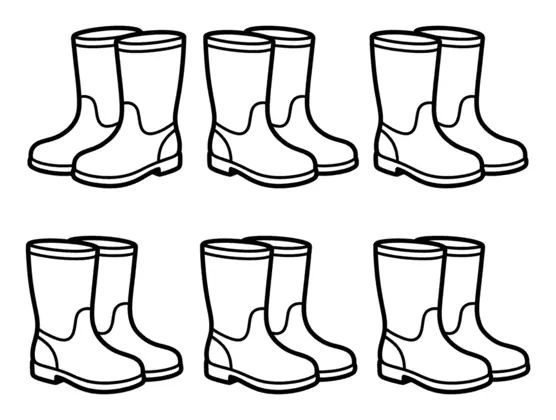
Years 1–2 · CountingSheet 14
Count in 2s: Pairs of Wellies
Reception–Year 1 · CountingSheet 15
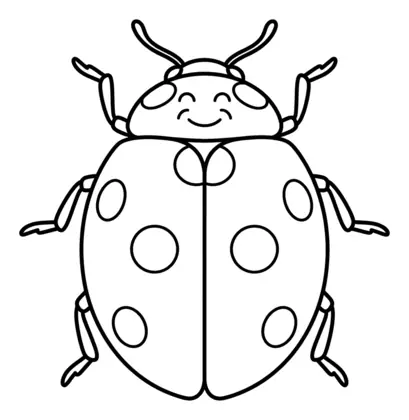
Count to 20: Ladybird Spots
Years 2–3 · CountingSheet 59
Counting in 3s
Year 3 · CountingSheet 98
Counting in 4s, 8s, 50s and 100s
Years 1–2 · CountingSheet 16
Counting in 5s and 10s
Reception–Year 1 · CountingSheet 2
Under the Sea: Count the Ocean Animals
Educational quiz app · Ages 5-10
More learning in the Owee app
Owee turns topics like this into quizzes for children aged 5 to 10, and a treehouse grows as they learn. No ads, no chat, no strangers.
- Family-friendly
- No ads
- Private
Educational quiz app · Ages 5-10
More learning in the Owee app
Owee turns topics like this into quizzes for children aged 5 to 10, and a treehouse grows as they learn. No ads, no chat, no strangers.
Scan with your phone camera
- Family-friendly
- No ads
- Private