Educational quiz app · Ages 5-10
This is what learning looks like


Educational quiz app · Ages 5-10
This is what learning looks like
No nagging required. Keep the learning going after the worksheet, with every question read aloud and Owee guiding each step.
Scan with your phone camera
- Family-friendly
- No ads
- Private
Maths · Colouring and short-answer worksheet
Fractions of a Shape: Free KS2 Pizza Worksheet
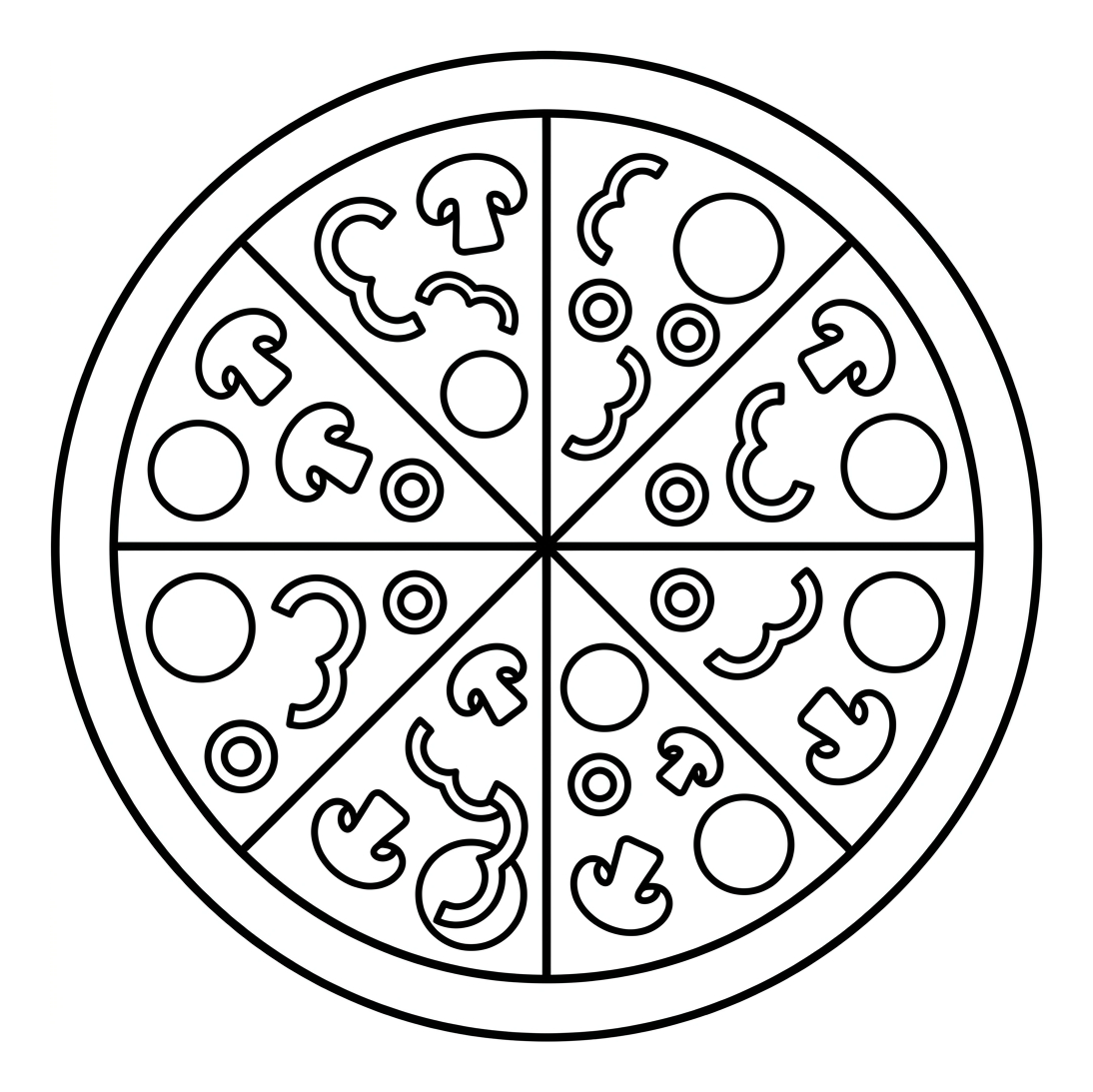
This free printable worksheet helps children in Years 3 and 4 recognise, name and write fractions of a whole using a pizza. The pizza is already cut into eight equal slices. Children colour slices in red, yellow and green, then write the fraction each colour shows, from one eighth to seven eighths, and spot that four eighths is the same as one half.
The colouring makes the idea of equal parts concrete, and the questions check that children can write a fraction correctly, with the numerator on top and the denominator underneath. It prints on one A4 page, ready to use at home or in the classroom with just a pencil and three colouring pencils.
What your child is learning
‘recognise and show, using diagrams, equivalent fractions with small denominators’
Year 3 Maths: Number – fractions, National Curriculum in England. Source and licence
Fraction Pizza: Halves to Eighths
Free Maths worksheet · Ages 7 to 9
Colour the pizza
The pizza is cut into 8 equal slices. Colour the slices like this.
- Colour 1 slice red.
- Colour 4 slices yellow.
- Colour 2 slices green.
- Leave 1 slice plain.
Write the fractions
Write each fraction with the top number over the bottom number.
How many equal slices is the whole pizza cut into?
What fraction of the pizza is red?
What fraction is yellow? Can you write it another way?
What fraction is green? Can you write it another way?
What fraction of the pizza is coloured altogether?
 Fraction Pizza: Halves to EighthsSheet 99
Answers: Fraction Pizza: Halves to Eighths
Sheet 99
- How many equal slices is the whole pizza cut into? — 8
- What fraction of the pizza is red? — 1/8 (one eighth)
- What fraction is yellow? Can you write it another way? — 4/8 (four eighths), which is the same as 1/2 (one half)
- What fraction is green? Can you write it another way? — 2/8 (two eighths), which is the same as 1/4 (one quarter)
- What fraction of the pizza is coloured altogether? — 7/8 (seven eighths)
For grown-ups. Free worksheets and the Owee quiz app at owee.world
Answer key
- How many equal slices is the whole pizza cut into? — 8
- What fraction of the pizza is red? — 1/8 (one eighth)
- What fraction is yellow? Can you write it another way? — 4/8 (four eighths), which is the same as 1/2 (one half)
- What fraction is green? Can you write it another way? — 2/8 (two eighths), which is the same as 1/4 (one quarter)
- What fraction of the pizza is coloured altogether? — 7/8 (seven eighths)
What this worksheet teaches
This sheet introduces fractions as equal parts of a whole. The pizza is divided into eight identical slices, which gives children a clear visual anchor: the bottom number of a fraction (the denominator) tells you how many equal parts the whole has been split into, and the top number (the numerator) tells you how many of those parts you have. By colouring four slices children can see that four out of eight is the same amount as one half, which gently introduces the idea of equivalent fractions explored more formally later in Year 3 and Year 4. Working from a single shape keeps the focus on the meaning of the fraction rather than on calculation.
How to use it at home or in class
Read each instruction together before your child picks up their colouring pencils. Ask them to count the slices first and check there are eight equal parts, then colour exactly the number asked for. By the end, one slice stays plain. Before writing each fraction, ask them to say it aloud: ‘two out of eight, so two eighths’. If writing the fraction is tricky, prompt with the two questions every fraction answers: ‘How many equal parts altogether?’ and ‘How many are this colour?’ The last question adds the colours together (1 + 4 + 2 = 7 eighths), which is a first taste of adding fractions with the same denominator.
Unit and non-unit fractions explained
A unit fraction has a numerator of one, such as one half, one quarter or one eighth: it is a single equal part of the whole. A non-unit fraction has a numerator greater than one, such as two eighths or seven eighths, meaning several equal parts. Year 3 children work with both types, and this worksheet practises both: the red slice is a unit fraction (one eighth), while the yellow and green parts and the coloured total are non-unit fractions. Naming non-unit fractions confidently is an important step towards comparing fractions and finding equivalent fractions.
Common misconceptions to watch for
A frequent error is using the number of plain slices, or the number of coloured slices, as the denominator instead of the total number of equal parts. Remind children that the bottom number is always 8 on this pizza because it is cut into eight. Another is assuming any cut shape shows fractions; stress that the parts must be equal, which is why the pizza is cut into matching slices. Some children also write the fraction the wrong way up. For part of one pizza, the bottom number can never be smaller than the top number, because you cannot colour more slices than the pizza has.
Frequently asked questions
What are fractions of a shape?
A fraction of a shape is a part of a whole shape that has been divided into equal parts. If a pizza is cut into eight equal slices, each slice is one eighth, and three coloured slices show three eighths. The bottom number says how many equal parts there are and the top number says how many you have.
Is this fractions worksheet suitable for KS2?
Yes. It is aimed at Years 3 and 4 (ages 7 to 9). It practises unit and non-unit fractions and showing equivalent fractions with a diagram (4/8 = 1/2 and 2/8 = 1/4), which are Year 3 objectives in the National Curriculum, and it is useful revision before the wider families of equivalent fractions met in Year 4.
What is the difference between a unit and a non-unit fraction?
A unit fraction has a numerator of one, such as one eighth, and represents a single equal part. A non-unit fraction has a numerator greater than one, such as three eighths, and represents several equal parts. This worksheet practises naming both.
How do I explain fractions to a 7 year old?
Start with sharing something equally, such as slices of a pizza. Show that the whole is cut into equal parts, count how many parts there are, then count how many you have. Saying it aloud first, ‘three out of eight’, before writing the fraction helps it make sense.
Is this fractions worksheet free to print?
Yes, it is completely free to download and print. It fits on a single A4 page, so you can use it straight away at home or in the classroom with no preparation needed.
Curriculum links
- Year 3 Maths: Number – fractions (statutory): 'recognise and show, using diagrams, equivalent fractions with small denominators'
Quoted word for word from Department for Education documents: the National Curriculum in England, the EYFS framework or the RSHE guidance. Contains public sector information licensed under the Open Government Licence v3.0.
Made by The Owee education team. Updated 13/10/2026. Free to print and share.
More maths worksheets
All Year 3 Maths worksheets →
Years 3–4 · FractionsSheet 100
Fractions of Amounts
Years 1–2 · FractionsSheet 19
Halves and Quarters of Amounts
Years 1–2 · FractionsSheet 20
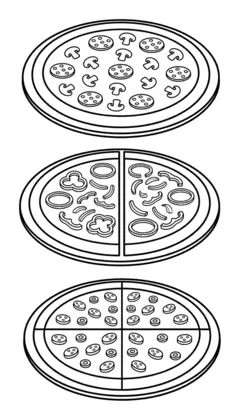
Halves and Quarters: Sharing the Pizza
Year 4 · Addition and subtractionSheet 134
4-Digit Column Addition
Years 3–4 · AnglesSheet 135
Acute, Right and Obtuse Angles Castle
Years 2–4 · SymmetrySheet 63
Butterfly Lines of Symmetry
Educational quiz app · Ages 5-10
More learning in the Owee app
Owee turns topics like this into quizzes for children aged 5 to 10, and a treehouse grows as they learn. No ads, no chat, no strangers.
- Family-friendly
- No ads
- Private
Educational quiz app · Ages 5-10
More learning in the Owee app
Owee turns topics like this into quizzes for children aged 5 to 10, and a treehouse grows as they learn. No ads, no chat, no strangers.
Scan with your phone camera
- Family-friendly
- No ads
- Private