Educational quiz app · Ages 5-10
This is what learning looks like


Educational quiz app · Ages 5-10
This is what learning looks like
No nagging required. Keep the learning going after the worksheet, with every question read aloud and Owee guiding each step.
Scan with your phone camera
- Family-friendly
- No ads
- Private
Art · Colouring and counting worksheet
Repeating Patterns with 2D Shapes: Free KS1 Worksheet
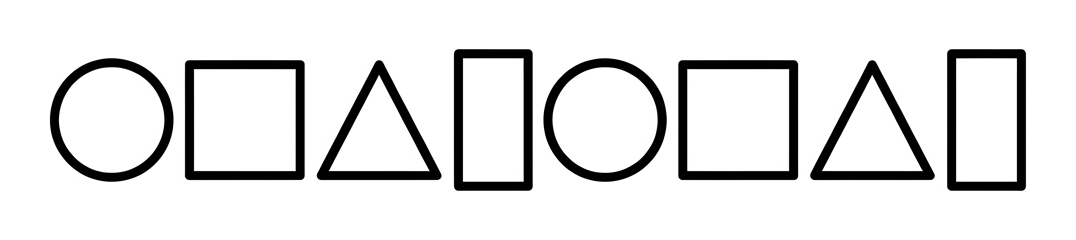
A repeating pattern is one of the very first kinds of pattern children meet, and it sits neatly at the meeting point of art and early maths. On this free, printable worksheet your child colours a row of 2D shapes — circle, square, triangle, rectangle — that repeats across the page, counts the shapes, and works out which shapes come next.
Designed for children in Reception, Year 1 and Year 2, the sheet prints to a single A4 page. Colouring to a simple key helps children see the repeating unit, the counting task practises careful one-to-one counting, and the ‘What comes next?’ questions ask them to use the pattern to predict.
What your child is learning
‘order and arrange combinations of mathematical objects in patterns and sequences’
Year 2 Maths: Geometry – position and direction (repeating shape patterns are also in Year 1 non-statutory guidance), National Curriculum in England. Source and licence
Pattern with 2D Shapes
Free Art worksheet · Ages 5 to 7
Colour the pattern
Colour the pattern. Say it out loud as you go: circle, square, triangle, rectangle.
- Colour every circle red.
- Colour every square blue.
- Colour every triangle green.
- Colour every rectangle yellow.
Count the shapes
Count the shapes in the whole row. Write the number in the box.
- How many circles are there?
- How many triangles are there?
- How many shapes are there altogether?
What comes next?
The pattern keeps going. Write the name of the shape.
Which shape comes next, after the last rectangle?
Which shape comes after that one?
If the pattern kept going, would the 12th shape be a circle or a rectangle?
 Pattern with 2D ShapesSheet 21
Answers: Pattern with 2D Shapes
Sheet 21
- How many circles are there? — 2
- How many triangles are there? — 2
- How many shapes are there altogether? — 8
- Which shape comes next, after the last rectangle? — circle
- Which shape comes after that one? — square
- If the pattern kept going, would the 12th shape be a circle or a rectangle? — rectangle (shapes 4, 8 and 12 are all rectangles)
For grown-ups. Free worksheets and the Owee quiz app at owee.world
Answer key
- How many circles are there? — 2
- How many triangles are there? — 2
- How many shapes are there altogether? — 8
- Which shape comes next, after the last rectangle? — circle
- Which shape comes after that one? — square
- If the pattern kept going, would the 12th shape be a circle or a rectangle? — rectangle (shapes 4, 8 and 12 are all rectangles)
What is a repeating pattern?
A repeating pattern is made of a small group of items — the repeating unit — that is copied over and over in the same order. On this sheet the unit is four shapes: circle, square, triangle, rectangle. When children can spot where the unit ends and begins again, they have grasped the core idea, and they can use it to predict and continue the pattern. This skill underpins later work on number patterns, sequences and even musical rhythm, so it is well worth taking time over in the early years.
Naming the four shapes
The pattern uses four common 2D shapes that KS1 children are expected to recognise and name: the circle (round, no corners), the square (four equal sides, four corners), the triangle (three straight sides) and the rectangle (four sides with two long and two short). It helps to talk about the properties as you point — counting sides and corners turns naming into reasoning. Notice that the rectangles on this sheet stand upright: many children only recognise a rectangle lying on its long side, so this is worth a quick chat. A gentle note for adults: a square is a special kind of rectangle, but at this age treating them as separate named shapes is entirely appropriate.
How to use this worksheet
Start by reading the colour key together and agreeing which colour belongs to each shape, then let your child colour every matching shape the same way along the row. Encourage them to say the pattern aloud — "circle, square, triangle, rectangle" — as they work, because hearing the rhythm reinforces the repeating unit. When the colouring is done, move on to the counting task, then the ‘What comes next?’ questions. If your child is unsure, ask them to point to the last shape and say the pattern aloud from the start of the unit: “circle, square, triangle, rectangle… circle!” The question about the 12th shape is a stretch for Year 2: rectangles always fall on 4, 8, 12, so counting in fours gives the answer.
Extending the learning at home
Once the sheet is finished, hunt for repeating patterns around the house — tiles, brickwork, stripes on a jumper, a row of fence posts. Ask your child to invent their own pattern using buttons, pasta shapes or building blocks, then challenge a grown-up to continue it. Inventing and continuing patterns with real objects deepens understanding far more than worksheets alone, and keeps the idea playful.
Frequently asked questions
What age is this repeating patterns worksheet for?
It is designed for children aged 5 to 7 (Reception, Year 1 and Year 2), which is Key Stage 1 in England. Younger children can colour the shapes with help, while older children can also continue the pattern and complete the counting task independently.
Is the worksheet free to print?
Yes. The worksheet is completely free to download and print. It is designed to fit neatly onto a single A4 page in black and white, so it is easy to print at home or in the classroom.
Which 2D shapes does the pattern use?
The repeating pattern uses four common 2D shapes: a circle, a square, a triangle and a rectangle. These are the shapes KS1 children are expected to recognise and name, making the sheet useful for both art and early maths.
How do I explain a repeating pattern to my child?
Show them the small group of shapes that keeps coming back in the same order — this is the repeating unit. Saying the shapes aloud, such as "circle, square, triangle, rectangle", helps children hear the rhythm and predict what comes next.
Does this support the National Curriculum?
Yes. In maths, Year 1 guidance says children should recognise and create repeating patterns with objects and shapes, and in Year 2 they order and arrange mathematical objects in patterns and sequences. It also supports naming common 2D shapes, and links to Art and Design KS1 work on pattern, shape and colour.
Curriculum links
- Year 2 Maths: Geometry – position and direction (repeating shape patterns are also in Year 1 non-statutory guidance) (statutory): 'order and arrange combinations of mathematical objects in patterns and sequences'
Quoted word for word from Department for Education documents: the National Curriculum in England, the EYFS framework or the RSHE guidance. Contains public sector information licensed under the Open Government Licence v3.0.
Made by The Owee education team. Updated 13/10/2026. Free to print and share.
More maths worksheets
All Year 1 Maths worksheets →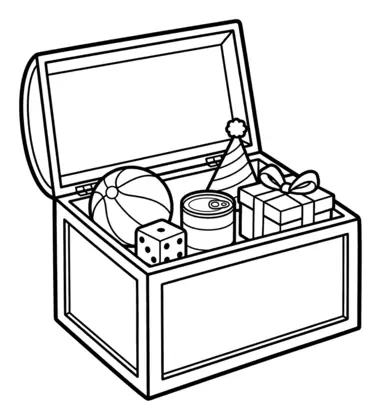
Years 1–2 · 3D shapesSheet 11
3D Shapes Around Us
Reception–Year 1 · Addition and subtractionSheet 12
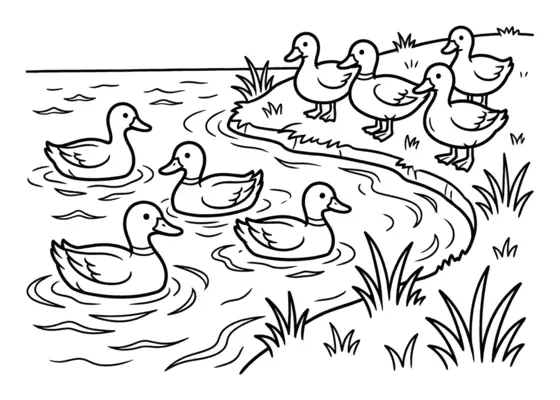
Adding to 10: Ducks on the Pond
Years 1–2 · CountingSheet 14
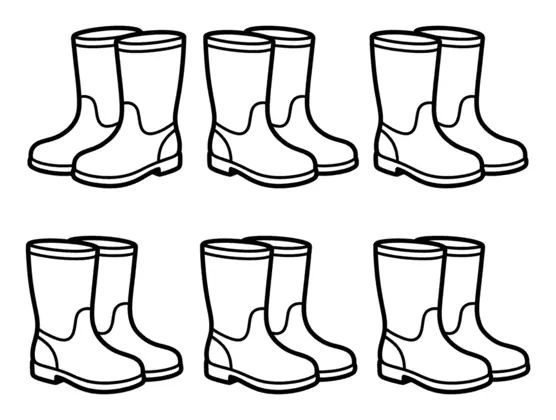
Count in 2s: Pairs of Wellies
Reception–Year 1 · CountingSheet 1
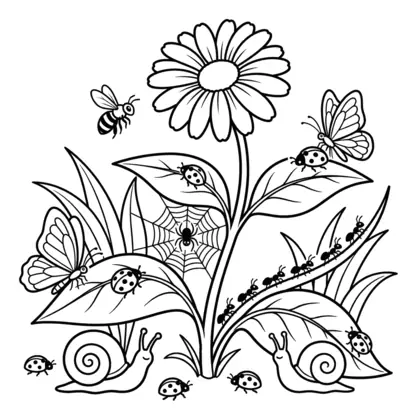
Count the Minibeasts
Reception–Year 1 · CountingSheet 15
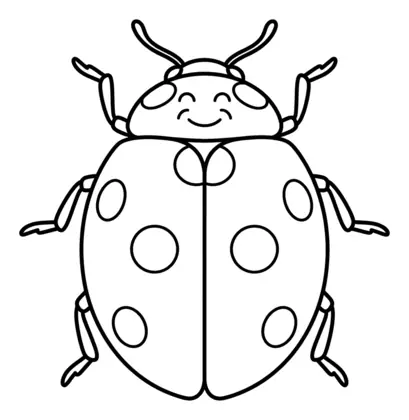
Count to 20: Ladybird Spots
Years 1–2 · CountingSheet 16
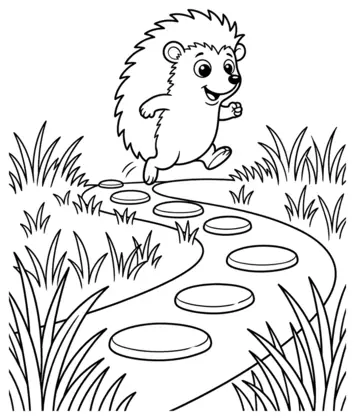
Counting in 5s and 10s
Educational quiz app · Ages 5-10
More learning in the Owee app
Owee turns topics like this into quizzes for children aged 5 to 10, and a treehouse grows as they learn. No ads, no chat, no strangers.
- Family-friendly
- No ads
- Private
Educational quiz app · Ages 5-10
More learning in the Owee app
Owee turns topics like this into quizzes for children aged 5 to 10, and a treehouse grows as they learn. No ads, no chat, no strangers.
Scan with your phone camera
- Family-friendly
- No ads
- Private