Educational quiz app · Ages 5-10
This is what learning looks like


Educational quiz app · Ages 5-10
This is what learning looks like
No nagging required. Keep the learning going after the worksheet, with every question read aloud and Owee guiding each step.
Scan with your phone camera
- Family-friendly
- No ads
- Private
English · Writing and tracing worksheet
Adverbs Worksheet: How, When and Where (Free KS2 Printable)
This free printable worksheet introduces adverbs to children in Years 3 and 4 as words that tell us how, when or where something happens. The lively running-race picture gives children a real action to describe, so they can practise choosing precise adverbs rather than reciting them in isolation.
It also clears up a common misunderstanding: many adverbs end in the suffix -ly (such as quickly or loudly), but plenty do not (such as soon, here and fast). The whole worksheet prints to a single A4 page, ready for home or the classroom.
What your child is learning
‘Expressing time, place and cause using conjunctions [for example, when, before, after, while, so, because], adverbs [for example, then, next, soon, therefore], or prepositions [for example, before, after, during, in, because of]’
Year 3 English: Vocabulary, grammar and punctuation (Appendix 2), National Curriculum in England. Source and licence

Adverbs: How, When and Where
Free English worksheet · Ages 7 to 9
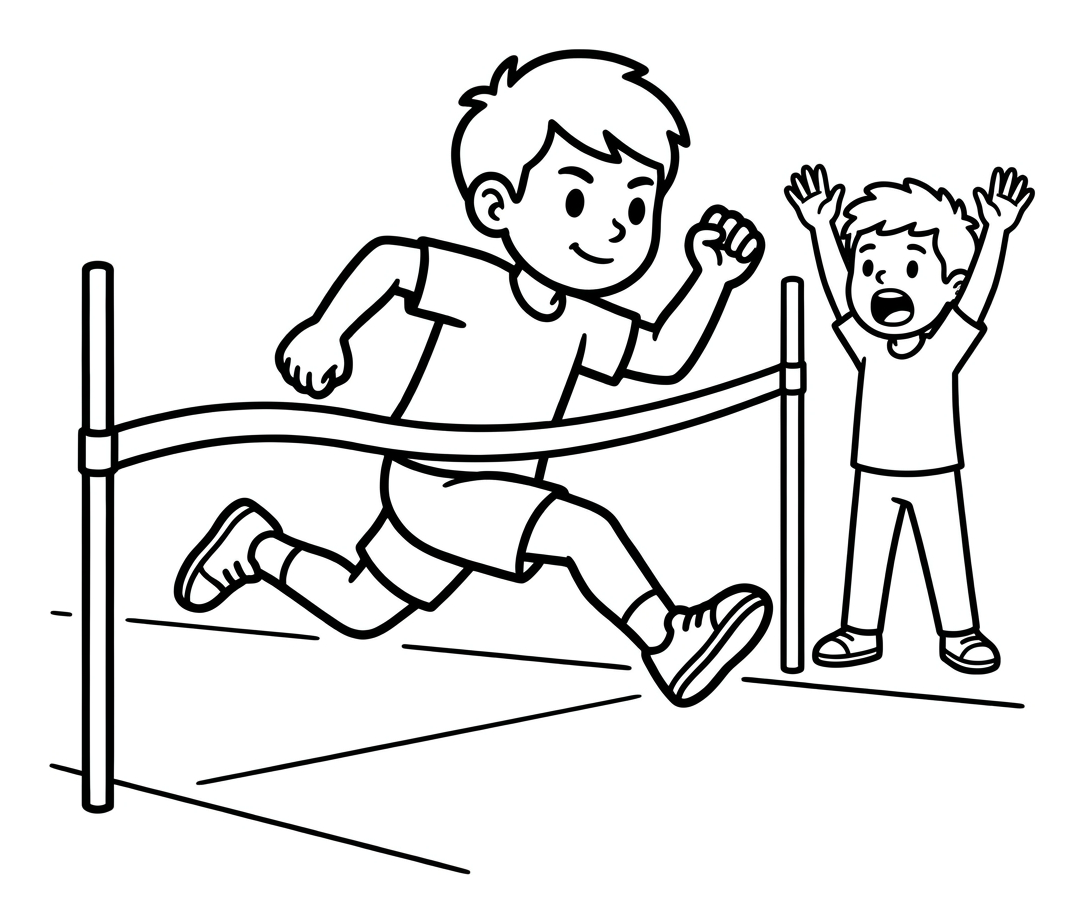
Describe the race with adverbs
Look at the race. Write an adverb to answer each question. Use the word bank or your own words. An adverb tells us how, when or where. Many end in -ly, but not all.
HOW does the runner move along the track?
HOW does the friend cheer at the side?
WHEN is the runner crossing the finish line?
WHERE is the race taking place?
Which word is the adverb? The runners will start soon.
Trace these adverbs
Trace each adverb. Say if it tells us how, when or where. Soon and fast are adverbs too, but they do not end in -ly.
 Adverbs: How, When and WhereSheet 109
Answers: Adverbs: How, When and Where
Sheet 109
- HOW does the runner move along the track? — Example: quickly (also accept fast, swiftly, speedily)
- HOW does the friend cheer at the side? — Example: loudly (also accept happily, cheerfully)
- WHEN is the runner crossing the finish line? — Example: now (also accept today)
- WHERE is the race taking place? — Example: outside (also accept here, nearby)
- Which word is the adverb? The runners will start soon. — soon
For grown-ups. Free worksheets and the Owee quiz app at owee.world
Answer key
- HOW does the runner move along the track? — Example: quickly (also accept fast, swiftly, speedily)
- HOW does the friend cheer at the side? — Example: loudly (also accept happily, cheerfully)
- WHEN is the runner crossing the finish line? — Example: now (also accept today)
- WHERE is the race taking place? — Example: outside (also accept here, nearby)
- Which word is the adverb? The runners will start soon. — soon
What is an adverb? How, when and where
An adverb is a word that adds information to a verb, telling us more about an action. The simplest way to introduce adverbs at KS2 is to ask three questions about any action: How did it happen? (quickly, carefully, loudly), When did it happen? (yesterday, soon, now), and Where did it happen? (here, outside, upstairs). Using the running-race picture, children can answer all three: the runner sprints quickly (how), the runner is crossing the line now (when), and the friend cheers nearby (where). Linking adverbs to a clear visual action helps children grasp the purpose of the word class rather than memorising a list.
The -ly suffix: a helpful clue, not a rule
Year 3 and 4 children often learn that adverbs end in -ly, and many do: slowly, happily, suddenly, bravely. This is a useful clue, especially for the 'how' adverbs known as adverbs of manner. However, plenty of adverbs do not: the national curriculum’s own Year 3 examples are then, next, soon and therefore. Words such as often, here, there, outside, now, today and fast are all adverbs without the suffix too. It is worth pointing out that some -ly words are actually adjectives (friendly, lovely, lonely), so the suffix alone never proves a word is an adverb. Encourage children to test a word by asking whether it tells us how, when or where the action happens. In ‘a friendly runner’, friendly describes the runner (a noun), so it is an adjective.
How to use this worksheet at home or school
Begin by looking at the picture together and naming the action: the child is running, sprinting or racing. Ask your child the three adverb questions aloud before they write anything, so they hear the words in context. The first activity asks them to write adverbs that describe how, when and where the race happens; the word bank offers support without giving every answer away. The tracing activity then builds handwriting fluency and spelling memory for a small set of common adverbs, including two that do not end in -ly so the 'rule' is gently challenged. For an extension, ask your child to use one adverb from the sheet in a full sentence of their own, then move it to the front: ‘Quickly, the runner crossed the line.’ This is a fronted adverbial, which children meet in Year 4.
Why precise adverbs matter for writing
Choosing the right adverb is one of the first ways children learn to make their writing more vivid and exact. 'The runner moved' becomes far clearer as 'The runner moved swiftly' or 'The runner stumbled clumsily'. Adverbs also help children sequence and locate events, which supports both narrative and recount writing across the wider curriculum. By practising adverbs alongside a concrete picture, children begin to see them as tools for sharper description rather than grammar to be tested, which makes the learning far more likely to transfer into their independent writing.
Frequently asked questions
What is an adverb for KS2 children?
For KS2, an adverb is most simply explained as a word that tells us more about an action, usually answering how, when or where it happens. For example, in 'She ran quickly', the adverb 'quickly' tells us how she ran. This how/when/where approach is easier for children to apply than a formal definition. Adverbs can also describe adjectives and other adverbs (‘really fast’), which children meet later.
Do all adverbs end in -ly?
No. Many adverbs end in -ly, such as 'slowly' or 'carefully', and the suffix is a helpful clue. However, the National Curriculum is clear that adverbs do not always end in -ly. Common examples without the suffix include 'soon', 'now', 'here', 'outside', 'often' and 'fast'. Some -ly words, like 'friendly', are actually adjectives, so the ending alone never confirms an adverb.
What age or year group is this adverbs worksheet for?
This worksheet is aimed at children aged 7 to 9, which is Years 3 and 4 (KS2). Children first meet the word ‘adverb’ in Year 2. In Year 3 they use adverbs such as <em>then</em>, <em>next</em> and <em>soon</em> to show time and place, which this sheet practises. Confident Year 2 children or those revising in Year 5 may also find it useful.
What are some examples of adverbs that tell us how, when and where?
How adverbs (manner) include quickly, slowly, loudly, carefully and bravely. When adverbs (time) include soon, now, today, yesterday and later. Where adverbs (place) include here, there, outside, upstairs and nearby. The worksheet picture lets children practise picking the right type for the action shown.
Is this adverbs worksheet free to print?
Yes. The worksheet is completely free to download and print, and it is designed to fit on a single A4 page so it is easy to use at home or in class. There is no sign-up required to print it.
Curriculum links
- Year 3 English: Vocabulary, grammar and punctuation (Appendix 2) (statutory): 'Expressing time, place and cause using conjunctions [for example, when, before, after, while, so, because], adverbs [for example, then, next, soon, therefore], or prepositions [for example, before, after, during, in, because of]'
Quoted word for word from Department for Education documents: the National Curriculum in England, the EYFS framework or the RSHE guidance. Contains public sector information licensed under the Open Government Licence v3.0.
Made by The Owee education team. Updated 13/10/2026. Free to print and share.
More english worksheets
All Year 3 English worksheets →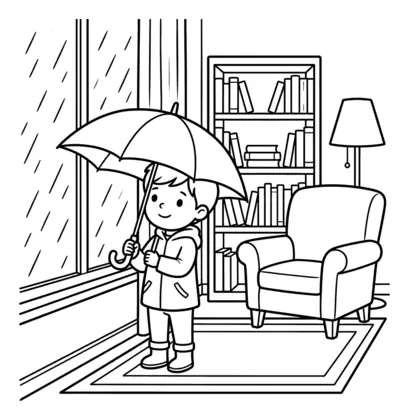
Years 2–3 · GrammarSheet 70
Conjunctions: because, but and so
Years 1–2 · GrammarSheet 71
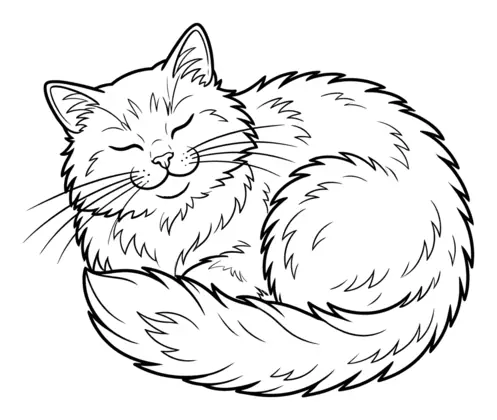
Describing Words (Adjectives)
Years 1–2 · GrammarSheet 72
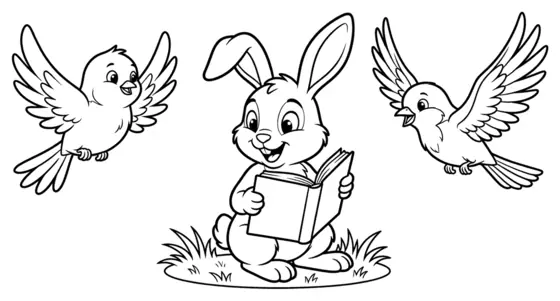
Doing Words (Verbs)
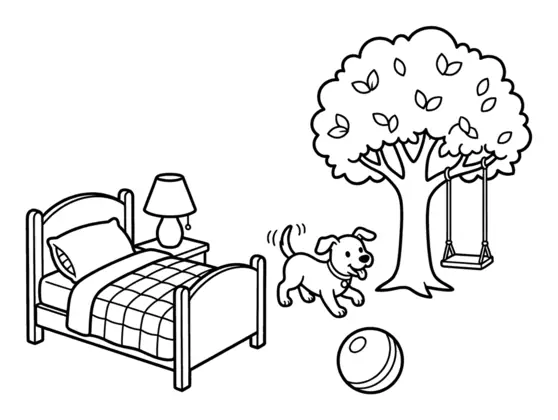
Years 1–2 · GrammarSheet 73
Naming Words (Nouns)
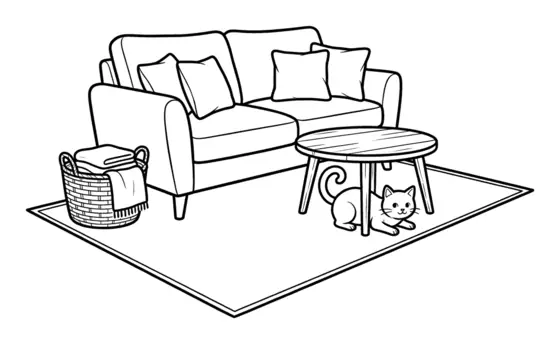
Years 2–3 · GrammarSheet 110
Prepositions: Where Is the Cat?
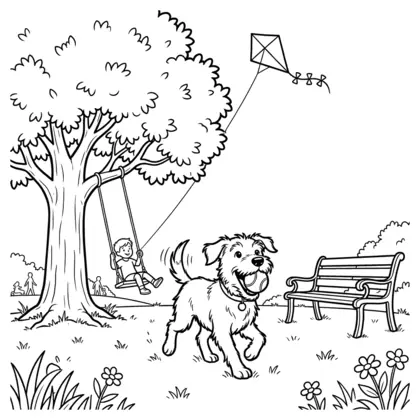
Years 2–3 · GrammarSheet 74
Spot the Nouns, Verbs and Adjectives
Educational quiz app · Ages 5-10
More learning in the Owee app
Owee turns topics like this into quizzes for children aged 5 to 10, and a treehouse grows as they learn. No ads, no chat, no strangers.
- Family-friendly
- No ads
- Private
Educational quiz app · Ages 5-10
More learning in the Owee app
Owee turns topics like this into quizzes for children aged 5 to 10, and a treehouse grows as they learn. No ads, no chat, no strangers.
Scan with your phone camera
- Family-friendly
- No ads
- Private