
Educational quiz app · Ages 5-10
This is what learning looks like


Educational quiz app · Ages 5-10
This is what learning looks like
No nagging required. Keep the learning going after the worksheet, with every question read aloud and Owee guiding each step.
Scan with your phone camera
- Family-friendly
- No ads
- Private
Free spelling worksheets
Spelling is set out year by year in Appendix 1 of the national curriculum. In Year 1, children spell common exception words and add -s or -es to make plurals. In Year 2, they change y to i before adding -es, add suffixes such as -ful, -less and -ly, and learn homophones. In Years 3 and 4, they add prefixes such as dis-, mis- and re-, and learn a statutory word list.
These five sheets, for ages about 5 to 8, follow that order: tricky words to trace and write, plurals, suffixes, homophones and prefixes. Each one teaches a single rule or pattern, so it is easy to see what your child has grasped and what needs another go.
Children learn spelling patterns and rules for each year, such as adding -s or -es, prefixes and suffixes, homophones like there and their, and tricky common exception words.
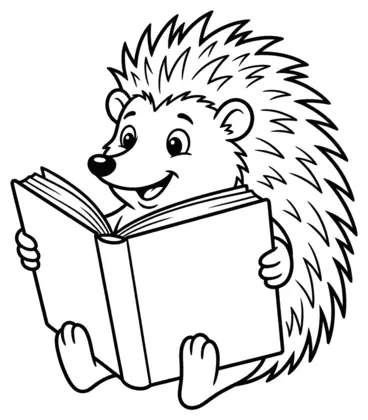
Reception–Year 1Sheet 25
Common Exception (Tricky) Words: Trace and Write
Print free →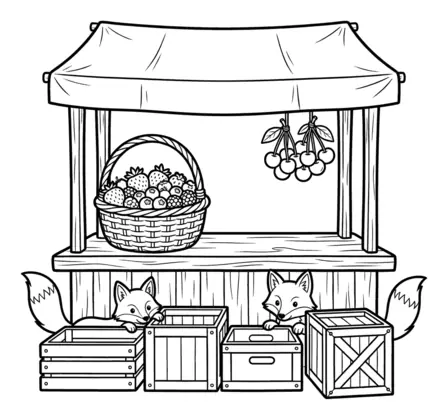
Years 2–3Sheet 76
Plurals: -s, -es and Changing y to i
Print free →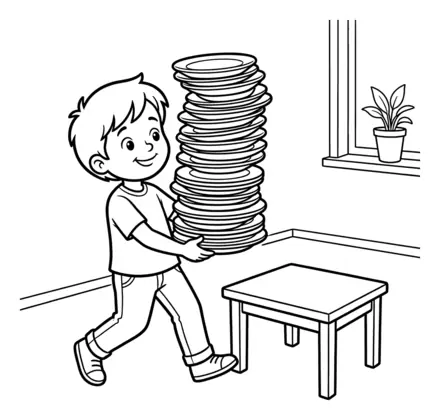
Years 2–3Sheet 77
Suffixes: -ful, -less and -ly
Print free →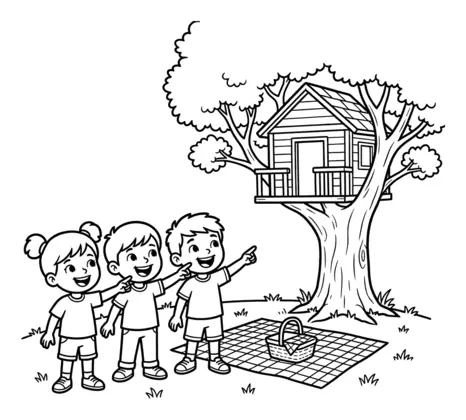
Years 2–3Sheet 75
Homophones: there, their and they're
Print free →
Years 3–4Sheet 111
Prefixes: un-, dis-, mis- and re-
Print free →Spelling rules worth knowing
When a word ends in a consonant then y, change the y to i and add -es: baby, babies. Add -es when the plural adds an extra beat, as in box, boxes or wish, wishes. Most suffixes such as -ful and -less go straight on: hope, hopeful, hopeless. Note that -ful has only one l. Small rules like these explain a lot of everyday words.
Spelling in the Year 6 SATs
In May of Year 6, children take a spelling paper as part of the KS2 grammar, punctuation and spelling test. The rules learnt from Year 1 onwards, and the statutory word lists for Years 3 and 4 and Years 5 and 6, all feed into it. That is why steady practice of each rule, a few words at a time, pays off over several years.
Questions parents ask
How can I help my child learn spellings?
Try look, say, cover, write, check: look at the word, say it, cover it, write it from memory, then check. Spotting the tricky part of a word and practising little and often helps too.
What is a homophone?
A homophone sounds the same as another word but has a different meaning and spelling, such as there, their and they're, or to, too and two. Year 2 children start learning common homophones, and more are added in each later year.
Are these spelling sheets free?
Yes. All five are free to print or save as a PDF, with nothing to sign up for. Print extra copies to practise before a weekly spelling test.
Educational quiz app · Ages 5-10
More learning in the Owee app
Owee turns topics like this into quizzes for children aged 5 to 10, and a treehouse grows as they learn. No ads, no chat, no strangers.
- Family-friendly
- No ads
- Private
Educational quiz app · Ages 5-10
More learning in the Owee app
Owee turns topics like this into quizzes for children aged 5 to 10, and a treehouse grows as they learn. No ads, no chat, no strangers.
Scan with your phone camera
- Family-friendly
- No ads
- Private