Educational quiz app · Ages 5-10
This is what learning looks like


Educational quiz app · Ages 5-10
This is what learning looks like
No nagging required. Keep the learning going after the worksheet, with every question read aloud and Owee guiding each step.
Scan with your phone camera
- Family-friendly
- No ads
- Private
English · Vocabulary worksheet (write and tick)
Synonyms and Antonyms: Free KS2 Years 5 to 6 English Worksheet
By Years 5 and 6, children are expected to move beyond plain, everyday words and to choose more precise and ambitious vocabulary in their writing. A key part of this is understanding how words are related by meaning — in particular, recognising synonyms (words with a similar meaning, such as big and enormous) and antonyms (words with the opposite meaning, such as big and tiny).
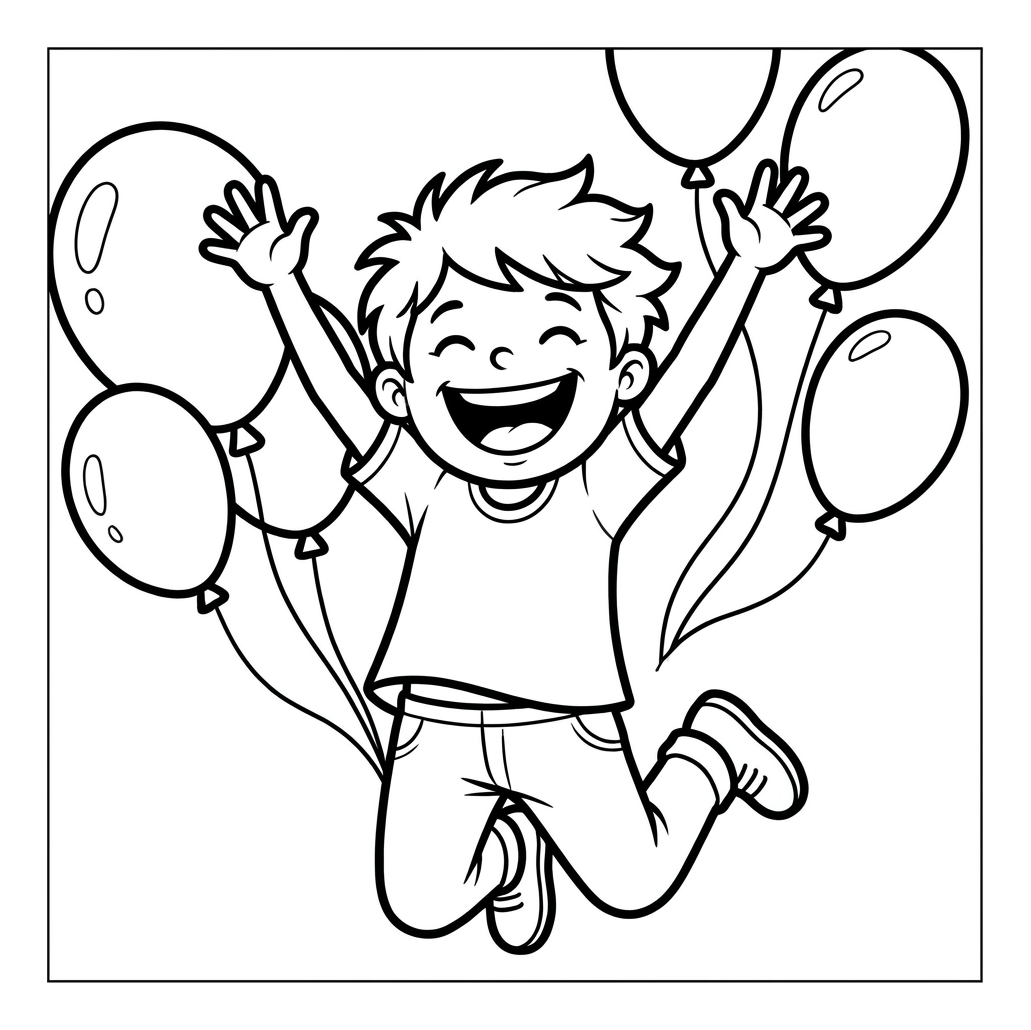
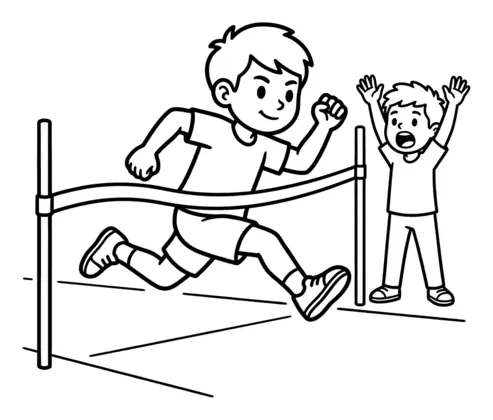
This free printable gives your child focused practice with six common words. For each one they suggest a synonym and an antonym, aiming for the most precise word they can find, then complete a short tick activity to check that they can tell the two apart. It prints to a single A4 page, and there is a cheerful jumping child to colour in once the writing is done.
What your child is learning
‘How words are related by meaning as synonyms and antonyms [for example, big, large, little].’
Year 6 English: Vocabulary, grammar and punctuation (Appendix 2), National Curriculum in England. Source and licence
Synonyms and Antonyms: Word Power
Free English worksheet · Ages 9 to 11
Give a synonym and an antonym
For each word, write one synonym (a word that means about the same) and one antonym (a word that means the opposite). Choose the most precise words you can.
big — synonym and antonym
happy — synonym and antonym
fast — synonym and antonym
quiet — synonym and antonym
strong — synonym and antonym
kind — synonym and antonym
Synonyms or antonyms?
Tick the pair only if the two words are SYNONYMS. Leave it blank if they are antonyms.
- glad and cheerful
- huge and tiny
- freezing and boiling
- old and ancient
- bright and dazzling
- ancient and modern
 Synonyms and Antonyms: Word PowerSheet 179
Answers: Synonyms and Antonyms: Word Power
Sheet 179
- big — synonym and antonym — Synonym: large, huge or enormous. Antonym: small, tiny or little.
- happy — synonym and antonym — Synonym: cheerful, glad or delighted. Antonym: sad, miserable or unhappy.
- fast — synonym and antonym — Synonym: quick, rapid or speedy. Antonym: slow or sluggish.
- quiet — synonym and antonym — Synonym: silent, hushed or soundless. Antonym: loud, noisy or deafening.
- strong — synonym and antonym — Synonym: powerful, mighty or tough. Antonym: weak or feeble.
- kind — synonym and antonym — Synonym: caring, gentle or thoughtful. Antonym: cruel, mean or unkind.
- glad and cheerful — tick
- huge and tiny — no tick (antonyms)
- freezing and boiling — no tick (antonyms)
- old and ancient — tick
- bright and dazzling — tick
- ancient and modern — no tick (antonyms)
For grown-ups. Free worksheets and the Owee quiz app at owee.world
Answer key
- big — synonym and antonym — Synonym: large, huge or enormous. Antonym: small, tiny or little.
- happy — synonym and antonym — Synonym: cheerful, glad or delighted. Antonym: sad, miserable or unhappy.
- fast — synonym and antonym — Synonym: quick, rapid or speedy. Antonym: slow or sluggish.
- quiet — synonym and antonym — Synonym: silent, hushed or soundless. Antonym: loud, noisy or deafening.
- strong — synonym and antonym — Synonym: powerful, mighty or tough. Antonym: weak or feeble.
- kind — synonym and antonym — Synonym: caring, gentle or thoughtful. Antonym: cruel, mean or unkind.
- glad and cheerful — tick
- huge and tiny — no tick (antonyms)
- freezing and boiling — no tick (antonyms)
- old and ancient — tick
- bright and dazzling — tick
- ancient and modern — no tick (antonyms)
What is on the worksheet
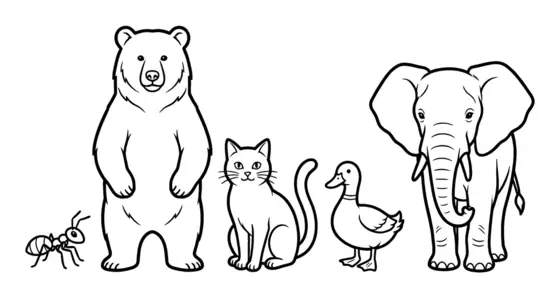
The worksheet centres on six familiar words — big, happy, fast, quiet, strong and kind. For each word your child writes one synonym (a word that means roughly the same) and one antonym (a word that means the opposite). A word bank offers eight more ambitious words to start from. A short tick activity then asks them to decide, for six word pairs, whether the two words are synonyms or antonyms, which checks that they can use the two terms accurately rather than simply guessing. A cheerful child jumping for joy sits alongside the tasks, ready to be coloured in as a reward for finishing.
Synonyms and antonyms explained
A synonym is a word that has a similar meaning to another word, such as happy and cheerful, or fast and rapid. An antonym is a word with the opposite meaning, such as happy and miserable, or fast and slow. A useful memory aid is that 'synonym' and 'similar' both begin with an 's', while 'antonym' shares its 'ant-' beginning with words like 'anti-', meaning against. It is worth explaining that most synonyms are not exactly the same: big, large, huge and enormous all share a meaning but carry slightly different strengths, which is precisely why a wider vocabulary helps a writer say exactly what they mean.
How to use it at home or in the classroom
Read each word aloud together and talk about its meaning before writing anything. Encourage your child to think of more than one possibility — there is rarely a single right answer — and then to choose the one they like best. A thesaurus (in print or online) is a natural partner for this sheet and helps children discover ambitious alternatives such as delighted, ecstatic or content for happy. For the tick activity, ask your child to read each pair aloud and decide whether the words point in the same direction or in opposite directions. To extend the task, choose one of the new synonyms and use it in a sentence together, so the richer word is practised in real writing.
What your child will learn
Working with synonyms and antonyms strengthens vocabulary, deepens understanding of shades of meaning, and gives children the tools to make deliberate word choices in their own writing. It also supports reading comprehension, because recognising that two words are related by meaning helps with understanding unfamiliar texts and with answering vocabulary questions in the Key Stage 2 reading test. By the end of the sheet, the aim is that your child can confidently define what synonyms and antonyms are and can generate examples of each for everyday words.
A note for teachers
This sheet supports the Year 6 objective in English Appendix 2 on how words are related by meaning as synonyms and antonyms; ‘synonym’ and ‘antonym’ are Year 6 terminology for pupils. It works well as a starter, an independent task, or a take-home activity, and pairs naturally with thesaurus work and with up-levelling sentences. Because answers are open, it also offers a quick window into each child's working vocabulary: a pupil who can only offer 'not big' for an antonym of big may benefit from explicit teaching of words such as tiny, minute and microscopic. The answer notes give acceptable examples rather than a single correct response.
Frequently asked questions
What is the difference between a synonym and an antonym?
A synonym is a word with a similar meaning to another word, such as big and large, or happy and cheerful. An antonym is a word with the opposite meaning, such as big and small, or happy and sad. A helpful reminder is that 'synonym' and 'similar' both start with an 's', so synonyms are similar in meaning, while antonyms are the opposite.
At what age do children learn synonyms and antonyms?
In England, the terms 'synonym' and 'antonym' are introduced in Year 6 (ages 10 to 11) in English Appendix 2. Younger children often explore 'words that mean the same' or 'opposite words' first, which builds towards this more precise terminology, so the sheet also suits a confident Year 5 child.
What is a synonym for big and what is an antonym for big?
A synonym for big is a word that means roughly the same, such as large, huge, enormous or massive. An antonym for big is a word that means the opposite, such as small, tiny, little or minute. The worksheet asks children to suggest their own, so there is rarely just one right answer.
Should I let my child use a thesaurus with this worksheet?
Yes — a thesaurus is an excellent partner for this activity. Using one helps children discover ambitious alternatives they might not think of on their own, such as 'delighted' or 'ecstatic' for happy. Encourage them to read the meaning carefully and pick the word that fits best, since synonyms are rarely identical in meaning.
Is this worksheet free to print?
Yes. This worksheet is completely free to download and print. It is designed to fit neatly onto one A4 page, so you can print as many copies as you need for home or the classroom.
Curriculum links
- Year 6 English: Vocabulary, grammar and punctuation (Appendix 2) (statutory): 'How words are related by meaning as synonyms and antonyms [for example, big, large, little].'
Quoted word for word from Department for Education documents: the National Curriculum in England, the EYFS framework or the RSHE guidance. Contains public sector information licensed under the Open Government Licence v3.0.
Made by The Owee education team. Updated 13/10/2026. Free to print and share.
More english worksheets
All Year 6 worksheets →
Reception–Year 1 · VocabularySheet 26
Opposite Words
Years 3–4 · GrammarSheet 109
Adverbs: How, When and Where
Years 3–4 · Dictionary skillsSheet 108
Alphabetical Order: Using a Dictionary
Years 3–4 · PunctuationSheet 149
Apostrophes for Possession
Years 1–2 · PunctuationSheet 24
Capital Letters and Full Stops
Reception–Year 1 · SpellingSheet 25
Common Exception (Tricky) Words: Trace and Write
Educational quiz app · Ages 5-10
More learning in the Owee app
Owee turns topics like this into quizzes for children aged 5 to 10, and a treehouse grows as they learn. No ads, no chat, no strangers.
- Family-friendly
- No ads
- Private
Educational quiz app · Ages 5-10
More learning in the Owee app
Owee turns topics like this into quizzes for children aged 5 to 10, and a treehouse grows as they learn. No ads, no chat, no strangers.
Scan with your phone camera
- Family-friendly
- No ads
- Private