
Educational quiz app · Ages 5-10
This is what learning looks like


Educational quiz app · Ages 5-10
This is what learning looks like
No nagging required. Keep the learning going after the worksheet, with every question read aloud and Owee guiding each step.
Scan with your phone camera
- Family-friendly
- No ads
- Private
Free grammar worksheets
Grammar in English primary schools is set year by year in Appendix 2 of the national curriculum. Year 1 starts with capital letters, full stops and joining ideas with 'and'. Year 2 introduces the terms noun, verb, adjective and adverb, and conjunctions such as because, but and or. Year 3 adds prepositions, and uses conjunctions, adverbs and prepositions to show time, place and cause.
These seven sheets, for children aged about 6 to 8, practise those word classes one at a time and then together, with a sheet that asks children to spot nouns, verbs and adjectives in the same sentences. Each one has an answer key, so you can check the work together.
Children learn how words and sentences work: naming words (nouns), doing words (verbs), describing words (adjectives and adverbs), joining words (conjunctions) and words for position and time (prepositions).
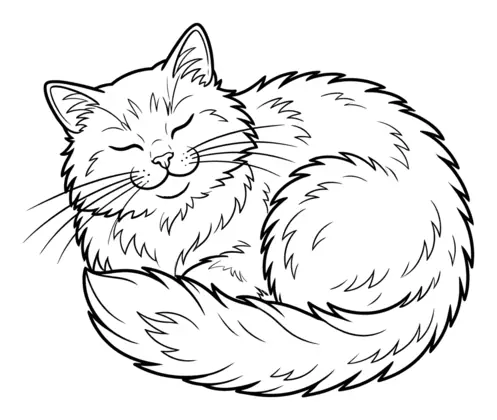
Years 1–2Sheet 71
Describing Words (Adjectives)
Print free →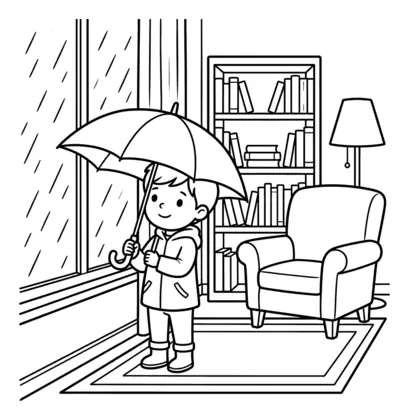
Years 2–3Sheet 70
Conjunctions: because, but and so
Print free →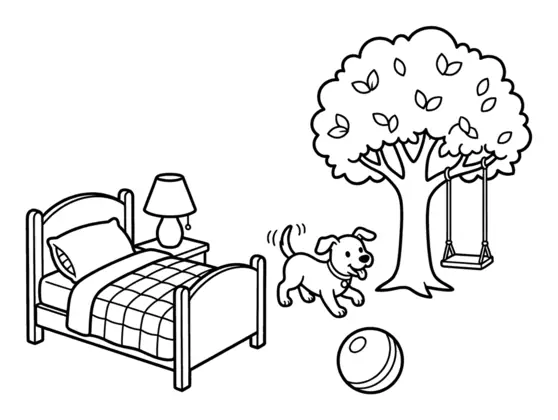
Years 1–2Sheet 73
Naming Words (Nouns)
Print free →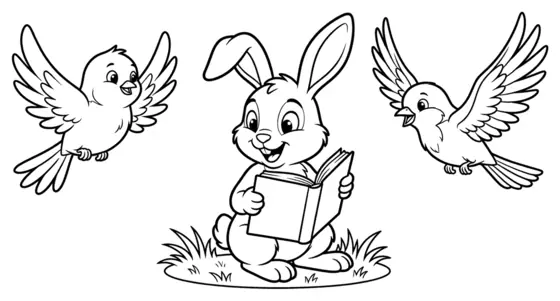
Years 1–2Sheet 72
Doing Words (Verbs)
Print free →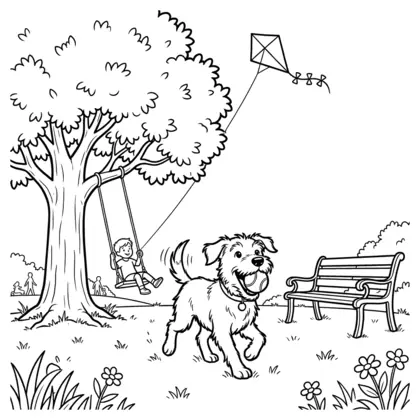
Years 2–3Sheet 74
Spot the Nouns, Verbs and Adjectives
Print free →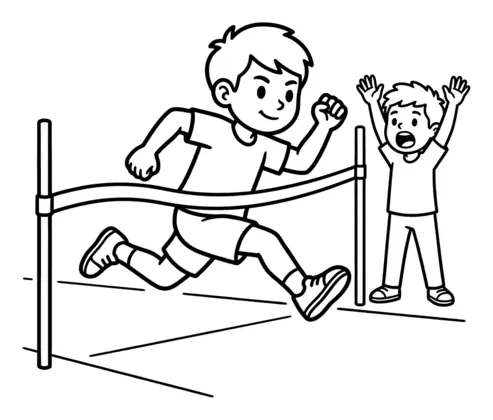
Years 3–4Sheet 109
Adverbs: How, When and Where
Print free →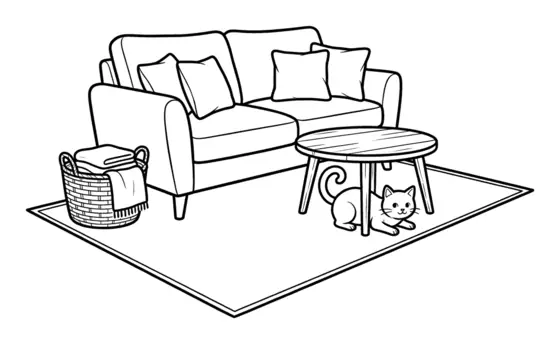
Years 2–3Sheet 110
Prepositions: Where Is the Cat?
Print free →How grammar builds through primary school
The same word classes come back each year with more detail. After Year 3, children learn fronted adverbials and pronouns in Year 4, relative clauses and modal verbs in Year 5, and the passive voice and the subjunctive in Year 6. The KS2 grammar, punctuation and spelling test in May of Year 6 checks this knowledge, so secure basics in Years 2 and 3 make the later work much easier.
Questions parents ask
What is the difference between an adjective and an adverb?
An adjective describes a noun: a fast car. An adverb usually adds to a verb, saying how, when or where something happens: the car drove slowly, or the car arrived yesterday. Many adverbs end in -ly, but not all.
What is a preposition?
A preposition shows where or when something is in relation to something else, such as under, behind, before or during. 'The cat is under the table' uses the preposition under. Children learn the term in Year 3.
What is a conjunction?
A conjunction joins words or parts of a sentence. Year 2 children use and, but and or, and also when, if, that and because, as in 'I wore a coat because it was cold'. Year 3 adds conjunctions for time, such as before, after and while.
Educational quiz app · Ages 5-10
More learning in the Owee app
Owee turns topics like this into quizzes for children aged 5 to 10, and a treehouse grows as they learn. No ads, no chat, no strangers.
- Family-friendly
- No ads
- Private
Educational quiz app · Ages 5-10
More learning in the Owee app
Owee turns topics like this into quizzes for children aged 5 to 10, and a treehouse grows as they learn. No ads, no chat, no strangers.
Scan with your phone camera
- Family-friendly
- No ads
- Private