Educational quiz app · Ages 5-10
This is what learning looks like


Educational quiz app · Ages 5-10
This is what learning looks like
No nagging required. Keep the learning going after the worksheet, with every question read aloud and Owee guiding each step.
Scan with your phone camera
- Family-friendly
- No ads
- Private
English · Write-on and tick worksheet
Apostrophes for Possession: Free KS2 Worksheet (Years 3 to 4)
The possessive apostrophe is one of the trickiest pieces of punctuation children meet in Lower Key Stage 2, partly because it looks identical to the apostrophe used in contractions and sits right next to the plural -s they already know. This free printable gives Years 3 and 4 focused, low-pressure practice in showing that something belongs to someone or something.
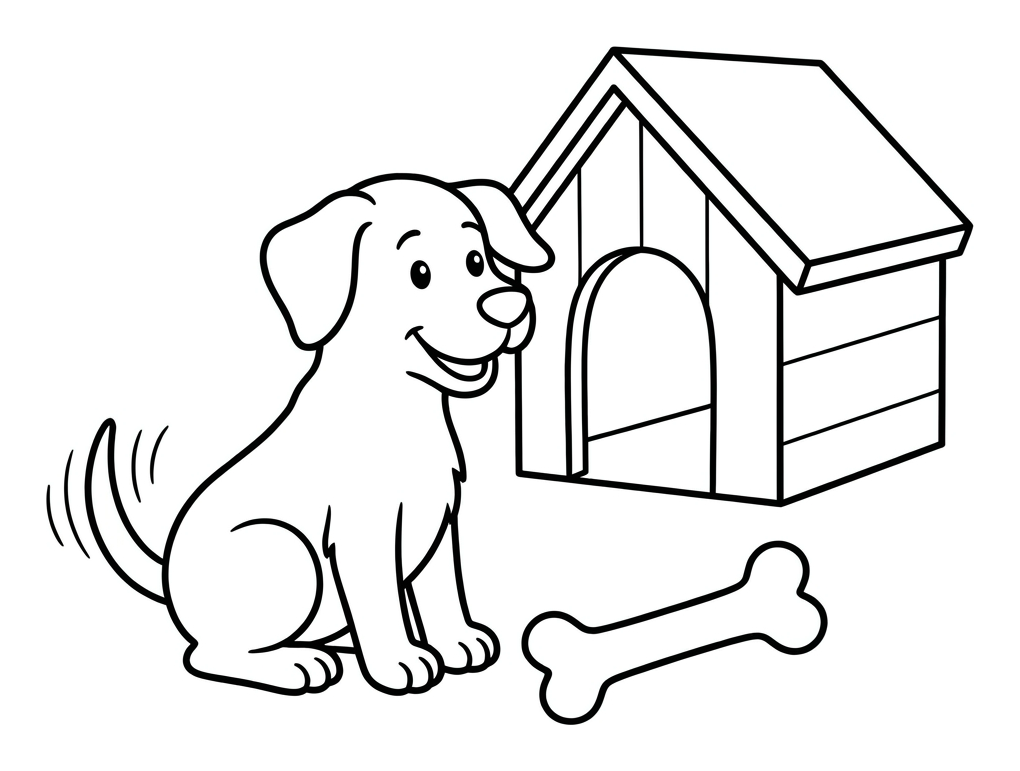
The worksheet pairs a colour-in picture of a dog with its bone with two short written tasks. Children rewrite phrases using an apostrophe, then check six phrases and tick only the ones where the apostrophe is used correctly. An answer key is included for parents and teachers.
What your child is learning
‘Apostrophes to mark plural possession [for example, the girl’s name, the girls’ names]’
Year 4 English: Punctuation (Appendix 2), National Curriculum in England. Source and licence
Apostrophes for Possession
Free English worksheet · Ages 8 to 9
Add the possessive apostrophe
Rewrite each phrase with a possessive apostrophe. Example: the bone belonging to the dog = the dog's bone.
the kennel belonging to the dog
the lead belonging to Anya
the toys belonging to the children
the bowls belonging to the dogs
the coats belonging to the men
Possession or just a plural?
Tick the phrases where the apostrophe is used correctly. Leave the mistakes blank.
- the cat's whiskers
- three happy dog's
- the teacher's desk
- lots of bone's
- the babies' rattles
- the childrens' toys
 Apostrophes for PossessionSheet 149
Answers: Apostrophes for Possession
Sheet 149
- the kennel belonging to the dog — the dog's kennel
- the lead belonging to Anya — Anya's lead
- the toys belonging to the children — the children's toys
- the bowls belonging to the dogs — the dogs' bowls
- the coats belonging to the men — the men's coats
- the cat's whiskers — tick
- three happy dog's — no tick: a plain plural needs no apostrophe (three happy dogs)
- the teacher's desk — tick
- lots of bone's — no tick: a plain plural needs no apostrophe (lots of bones)
- the babies' rattles — tick (more than one baby)
- the childrens' toys — no tick: children is already plural, so it is children's toys
For grown-ups. Free worksheets and the Owee quiz app at owee.world
Answer key
- the kennel belonging to the dog — the dog's kennel
- the lead belonging to Anya — Anya's lead
- the toys belonging to the children — the children's toys
- the bowls belonging to the dogs — the dogs' bowls
- the coats belonging to the men — the men's coats
- the cat's whiskers — tick
- three happy dog's — no tick: a plain plural needs no apostrophe (three happy dogs)
- the teacher's desk — tick
- lots of bone's — no tick: a plain plural needs no apostrophe (lots of bones)
- the babies' rattles — tick (more than one baby)
- the childrens' toys — no tick: children is already plural, so it is children's toys
What the possessive apostrophe does
The possessive apostrophe shows that something belongs to a person, animal or thing. With a singular noun, we add an apostrophe and then an s: the dog's bone means the bone belonging to the dog. Children first meet this rule in Year 2, and it covers most everyday examples, including names such as Anya's coat. Names that already end in s usually still take 's, as in James's book; the national curriculum gives Cyprus's population as its example. Encouraging children to read the phrase as 'belonging to' helps them check whether an apostrophe is really needed.
Singular versus plural possession
The placement of the apostrophe changes once a noun is made plural. For a regular plural that already ends in s, the apostrophe goes after the s with no extra letter: the girls' shoes means the shoes belonging to more than one girl. For irregular plurals that do not end in s, such as children, men or people, we add an apostrophe and then an s in the usual way: the children's toys. This distinction is the specific focus of the Year 4 curriculum, so it is worth practising deliberately. A useful routine is to write the owner first, then add the apostrophe straight after it: girls + ’ = girls'; children + ’s = children's.
Telling possession apart from plurals
The most common error at this stage is adding an apostrophe to an ordinary plural, for example writing three dog's when no apostrophe is needed because nothing belongs to the dogs. A reliable check is to ask whether the noun owns anything that follows it. If the answer is no, it is simply a plural and needs no apostrophe. The tick task mixes correct phrases with three common mistakes (an apostrophe on a plain plural, and childrens' instead of children's), so children have to look closely rather than tick every apostrophe they see.
How to support learning at home or in class
Short, frequent bursts work better than long sessions for punctuation. Try spotting possessive apostrophes on packaging, signs and book titles, and ask the child to explain who or what owns the item. When marking, focus first on whether the apostrophe is needed at all, then on its position. Reading sentences aloud also helps, because the apostrophe does not change how a word sounds, which reminds children it is a written signal of meaning rather than a pronunciation guide.
Frequently asked questions
Where does the apostrophe go for a singular noun?
For a singular noun you add an apostrophe and then an s, as in 'the dog's bone'. This shows that the bone belongs to one dog. The same pattern works for names, such as 'Sam's bag'.
How do you show possession with plural nouns?
If the plural already ends in s, the apostrophe goes after the s with no extra letter, as in 'the dogs' bones'. If the plural is irregular and does not end in s, such as 'children' or 'men', you add an apostrophe and then an s, as in 'the children's toys'.
How can a child tell a possessive apostrophe from a plural?
Ask whether the noun owns something that comes after it. In 'the cat's toy' the toy belongs to the cat, so an apostrophe is needed. In 'two cats sat down' nothing is owned, so it is just a plural and needs no apostrophe.
Is this worksheet suitable for Year 3 as well as Year 4?
Yes. Plural possession is a specific Year 4 objective, but the worksheet also revisits singular possession, which is introduced in Year 2, so it works well for Year 3 children who are ready to extend their understanding.
Is the worksheet free and printable?
Yes. The worksheet is completely free, prints onto a single A4 page and includes a colour-in illustration. Answers are provided for the adult so it can be marked quickly at home or in class.
Curriculum links
- Year 4 English: Punctuation (Appendix 2) (statutory): 'Apostrophes to mark plural possession [for example, the girl’s name, the girls’ names]'
Quoted word for word from Department for Education documents: the National Curriculum in England, the EYFS framework or the RSHE guidance. Contains public sector information licensed under the Open Government Licence v3.0.
Made by The Owee education team. Updated 13/10/2026. Free to print and share.
More english worksheets
All Year 4 worksheets →
Years 1–2 · PunctuationSheet 24
Capital Letters and Full Stops
Years 3–4 · PunctuationSheet 150
Punctuating Speech: Inverted Commas
Years 3–4 · GrammarSheet 109
Adverbs: How, When and Where
Years 3–4 · Dictionary skillsSheet 108
Alphabetical Order: Using a Dictionary
Years 2–3 · GrammarSheet 70
Conjunctions: because, but and so
Years 2–3 · SpellingSheet 75
Homophones: there, their and they're
Educational quiz app · Ages 5-10
More learning in the Owee app
Owee turns topics like this into quizzes for children aged 5 to 10, and a treehouse grows as they learn. No ads, no chat, no strangers.
- Family-friendly
- No ads
- Private
Educational quiz app · Ages 5-10
More learning in the Owee app
Owee turns topics like this into quizzes for children aged 5 to 10, and a treehouse grows as they learn. No ads, no chat, no strangers.
Scan with your phone camera
- Family-friendly
- No ads
- Private