Educational quiz app · Ages 5-10
This is what learning looks like


Educational quiz app · Ages 5-10
This is what learning looks like
No nagging required. Keep the learning going after the worksheet, with every question read aloud and Owee guiding each step.
Scan with your phone camera
- Family-friendly
- No ads
- Private
English · Tracing and writing worksheet
Common Exception (Tricky) Words: Free KS1 Year 1 English Worksheet
In Year 1, children meet a group of words the National Curriculum calls common exception words — often known in the classroom as 'tricky words'. These are everyday words such as the, said, you, was and one that cannot be sounded out neatly using the phonics a child has learned so far. Usually only one part of the word is unusual — the ai in said sounds like ‘e’ — so children learn to spot that tricky part and remember it.
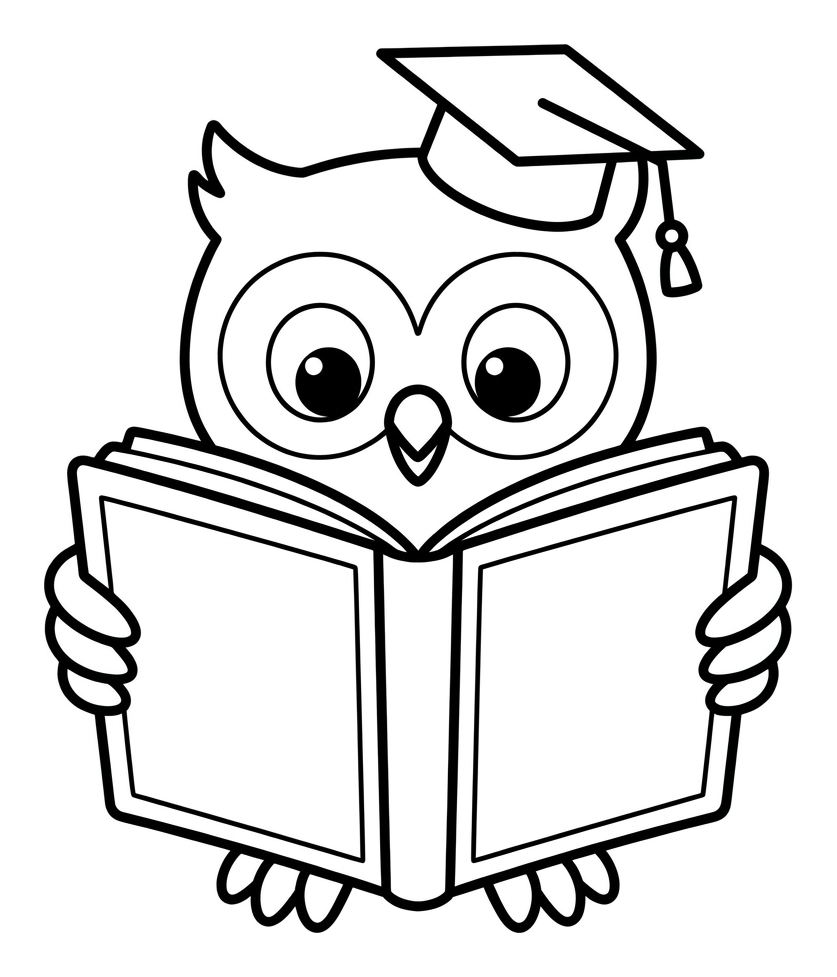
This free printable gives your child gentle practice with some of the most common of these words. They first trace each word to feel its shape and letter order, then cover the words and write the missing one in five short sentences. It prints to a single A4 page, and there is a friendly hedgehog to colour in once the writing is done.
What your child is learning
‘read common exception words, noting unusual correspondences between spelling and sound and where these occur in the word’
Year 1 English: Reading – word reading (spelling list in Appendix 1), National Curriculum in England. Source and licence

Common Exception (Tricky) Words: Trace and Write
Free English worksheet · Ages 5 to 6
Trace the tricky words
Trace each tricky word carefully. Say the word out loud as you trace it.
Now write them yourself
Cover the words above. Read each sentence. Write the missing tricky word on the line.
Look at __ moon!
Mum __, 'Time for bed.'
Thank __ for my present.
Yesterday it __ sunny.
__, two, three, go!
 Common Exception (Tricky) Words: Trace and WriteSheet 25
Answers: Common Exception (Tricky) Words: Trace and Write
Sheet 25
- Look at the moon!
- Mum said, 'Time for bed.'
- Thank you for my present.
- Yesterday it was sunny.
- One, two, three, go!
For grown-ups. Free worksheets and the Owee quiz app at owee.world
Answer key
- Look at the moon!
- Mum said, 'Time for bed.'
- Thank you for my present.
- Yesterday it was sunny.
- One, two, three, go!
What is on the worksheet
The worksheet focuses on five of the most frequently used Year 1 common exception words: the, said, you, was and one. First your child traces each word, shown in pale letters, to build a memory of its letter order and shape. Then they cover the traced words and read five short sentences, each with a gap, such as Yesterday it __ sunny. They write the missing tricky word from memory, which checks both the spelling and that they know how the word is used. A cheerful hedgehog holding a book sits alongside the words, ready to be coloured in as a reward for finishing.
How to use it at home or in the classroom
Read each word aloud together first and use it in a quick spoken sentence, for example 'You said the dog was one year old.' Encourage your child to say the word as they trace it and to point to the tricky part: in was the a sounds like ‘o’, and in one the first sound is ‘w’ even though there is no w. Then fold the page or cover the traced words and read the sentences together before they write. Little and often works best with tricky words: a few minutes a day suits most children better than one long session. If a word is forgotten, simply look back at the traced example, say it together, and try again — there is no penalty for needing another look.
What your child will learn
Common exception words make up a large share of the words in everyday reading, so recognising and spelling them quickly frees children to enjoy stories and to write more fluently. This sheet supports your child in learning to read these words by sight and to begin spelling them correctly, while the tracing element gives valuable handwriting and fine-motor practice. The National Curriculum asks children to notice where the unusual spelling occurs in the word, so it helps to talk about the tricky part rather than treating the whole word as a mystery.
A note for teachers
These five words are drawn from the Year 1 common exception word list in English Appendix 1 of the National Curriculum. The sheet works well as an independent morning task, an early-finisher activity, or a take-home practice sheet to share with parents. You may wish to pair it with the full Year 1 list, or to revisit the same words across several days using different activities. The gap-fill sentences can double as a quick informal spelling check before moving on to the next set of words.
Frequently asked questions
What are common exception words in Year 1?
Common exception words are everyday words that do not follow the usual phonics patterns a child has been taught, so they cannot be reliably sounded out. The Year 1 list in the National Curriculum includes words such as the, a, do, to, said, was, you, your, they, one, once, friend, school and full. Many teachers call them 'tricky words', and children learn to recognise and spell them as wholes.
What is the difference between tricky words and common exception words?
They usually mean the same thing. 'Common exception words' is the term used in the National Curriculum, while 'tricky words' is the friendlier phrase used in many phonics schemes and classrooms. Both describe words that break the regular sound rules and need to be remembered rather than fully sounded out.
How can I help my child learn tricky words at home?
Keep practice short and frequent — just a few minutes a day. Say each word aloud, use it in a sentence, trace it, then cover it and write it from memory. Spotting the same words in books your child is reading also helps them become automatic, which is exactly what this worksheet is designed to support.
Is this worksheet free to print?
Yes. This worksheet is completely free to download and print. It is designed to fit neatly onto one A4 page, so you can print as many copies as you need for home or the classroom.
What age is this worksheet for?
It is aimed at children aged 5 to 6 in Year 1 (KS1), where common exception words are first taught formally. It can also be used as gentle revision in early Year 2 or as a confidence builder for any child who is still learning to read and spell these words.
Curriculum links
- Year 1 English: Reading – word reading (spelling list in Appendix 1) (statutory): 'read common exception words, noting unusual correspondences between spelling and sound and where these occur in the word'
- English, Key Stage 1, Year 1 writing (handwriting): 'form lower-case letters in the correct direction, starting and finishing in the right place'
Quoted word for word from Department for Education documents: the National Curriculum in England, the EYFS framework or the RSHE guidance. Contains public sector information licensed under the Open Government Licence v3.0.
Made by The Owee education team. Updated 13/10/2026. Free to print and share.
More english worksheets
All Year 1 English worksheets →
Years 2–3 · SpellingSheet 75
Homophones: there, their and they're
Years 2–3 · SpellingSheet 76
Plurals: -s, -es and Changing y to i
Years 3–4 · SpellingSheet 111
Prefixes: un-, dis-, mis- and re-
Years 2–3 · SpellingSheet 77
Suffixes: -ful, -less and -ly

Years 1–2 · PunctuationSheet 24
Capital Letters and Full Stops
Reception–Year 1 · PhonicsSheet 4
CVC Words: Read, Trace and Colour
Educational quiz app · Ages 5-10
More learning in the Owee app
Owee turns topics like this into quizzes for children aged 5 to 10, and a treehouse grows as they learn. No ads, no chat, no strangers.
- Family-friendly
- No ads
- Private
Educational quiz app · Ages 5-10
More learning in the Owee app
Owee turns topics like this into quizzes for children aged 5 to 10, and a treehouse grows as they learn. No ads, no chat, no strangers.
Scan with your phone camera
- Family-friendly
- No ads
- Private