
Educational quiz app · Ages 5-10
This is what learning looks like


Educational quiz app · Ages 5-10
This is what learning looks like
No nagging required. Keep the learning going after the worksheet, with every question read aloud and Owee guiding each step.
Scan with your phone camera
- Family-friendly
- No ads
- Private
Free Reception English worksheets (age 4-5)
In Reception, early reading and writing come under the Literacy area of the EYFS framework. By the end of the year, children aged 4 to 5 are expected to say a sound for each letter of the alphabet and at least 10 digraphs, blend sounds to read simple words, and read some common exception words. In writing, they should form most letters correctly and spell simple words by their sounds.
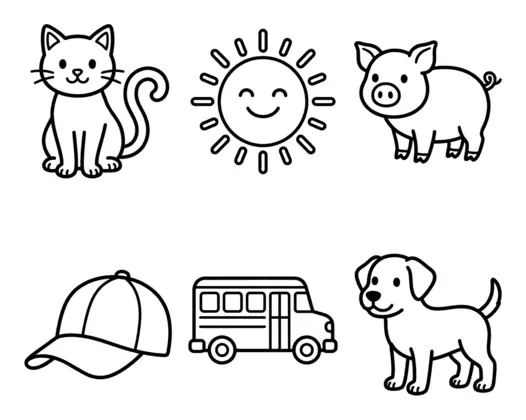
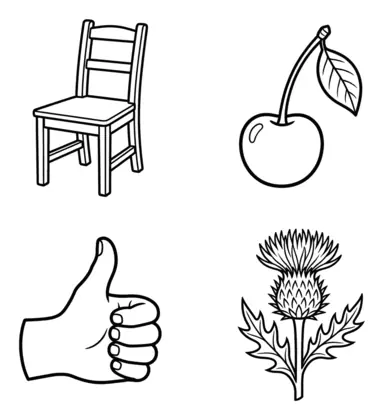
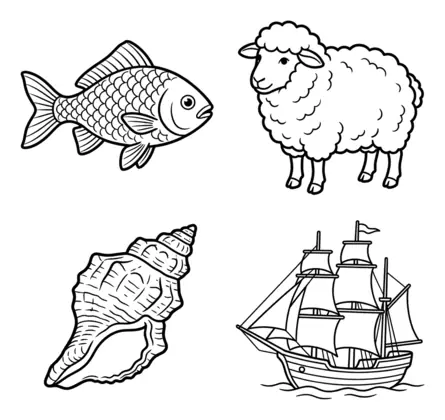
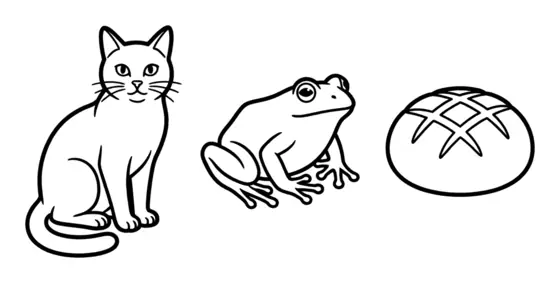
These sheets give gentle practice in each step: tracing the alphabet, the digraphs sh, ch and th, reading and writing CVC words such as cat, sun and dog, rhyming pairs, opposites, and a first set of tricky words, including the, said and was.
Children doing this work are in Primary 1 in Northern Ireland and about Primary 1 in Scotland. Wales also calls the year Reception.
Also known as: Scotland P1 · Northern Ireland P1 · Wales Reception
Phonics
All phonics worksheets →Children learn the sounds that letters and groups of letters make, then blend them to read words and split words into sounds to spell them. In June of Year 1 there is a short phonics screening check.
Handwriting
Children learn to hold a pencil comfortably and form each letter correctly, starting and finishing in the right place, before moving on to joined handwriting.
Spelling
All spelling worksheets →Children learn spelling patterns and rules for each year, such as adding -s or -es, prefixes and suffixes, homophones like there and their, and tricky common exception words.
Vocabulary
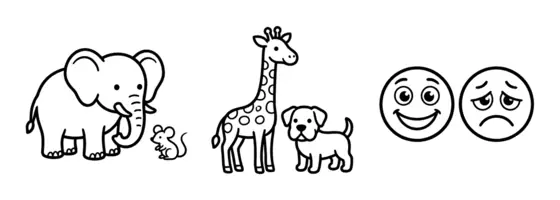
Children build a wider range of words by exploring meanings, opposites (antonyms) and words with similar meanings (synonyms), so they can choose words more precisely.
Saying the sounds the right way
When you practise, say the pure sound: 'mmm' rather than 'muh', and 'sh' rather than 'shuh'. Extra sounds on the end make blending harder, because c-uh-a-tuh does not sound like cat. For a digraph such as sh, ch or th, point to both letters together so your child sees them as one sound. If you are unsure, ask the teacher how the class says each sound.
Helping your child at home
Follow your school's phonics programme where you can, because programmes teach the sounds in slightly different orders. Keep sessions short and playful. Trace letters with a finger first, then with a pencil. Look for the same sounds on cereal boxes, road signs and in bedtime books, and praise every attempt at sounding out, even when the word comes out wrong.
Questions parents ask
What are tricky words?
Tricky words, also called common exception words, cannot be fully sounded out with the phonics a child knows so far. Examples include the, said and was. Children learn to read them on sight, a few at a time, alongside their phonics.
Should my Reception child be writing sentences?
By the end of Reception, the early learning goal is to write simple phrases and sentences that others can read. Most children build up to this over the year, starting with letters and single words. Spellings such as 'sed' for said are normal at this stage.
Are these sheets free to print?
Yes. All the Reception English sheets are free to print or save as a PDF, with no sign-up, no email and no limit on copies.
Educational quiz app · Ages 5-10
More learning in the Owee app
Owee turns topics like this into quizzes for children aged 5 to 10, and a treehouse grows as they learn. No ads, no chat, no strangers.
- Family-friendly
- No ads
- Private
Educational quiz app · Ages 5-10
More learning in the Owee app
Owee turns topics like this into quizzes for children aged 5 to 10, and a treehouse grows as they learn. No ads, no chat, no strangers.
Scan with your phone camera
- Family-friendly
- No ads
- Private