
Educational quiz app · Ages 5-10
This is what learning looks like


Educational quiz app · Ages 5-10
This is what learning looks like
No nagging required. Keep the learning going after the worksheet, with every question read aloud and Owee guiding each step.
Scan with your phone camera
- Family-friendly
- No ads
- Private
Free Year 2 English worksheets (age 6-7)
In Year 2, children aged 6 to 7 learn the names for the words they use. Noun, verb, adjective and adverb are all Year 2 terms. Children join ideas with conjunctions such as when, because, and, but and or, and use commas in lists and apostrophes for missing letters and for singular possession. Spelling moves on to suffixes such as -ful, -less and -ly, plurals ending in -ies, and homophones.
These sheets practise each of those, with a story sheet on beginning, middle and end and a sheet on prepositions, which Year 3 develops further. A capital letters and full stops sheet is here for anyone who needs to firm up Year 1 punctuation.
In Northern Ireland children of this age are in Primary 3, and in Scotland roughly Primary 3. Wales calls this year Year 2.
Also known as: Scotland P3 · Northern Ireland P3 · Wales Year 2
Spelling listYear 2 common exception words: all 64 words, ready to printSpelling
All spelling worksheets →Children learn spelling patterns and rules for each year, such as adding -s or -es, prefixes and suffixes, homophones like there and their, and tricky common exception words.
Grammar
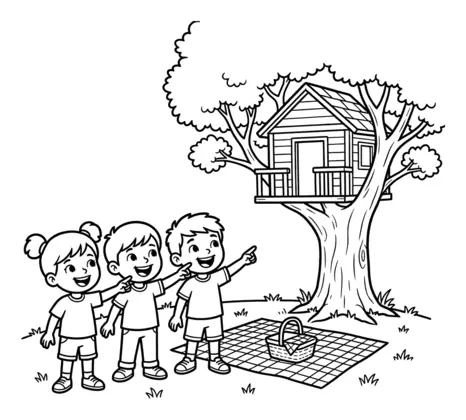
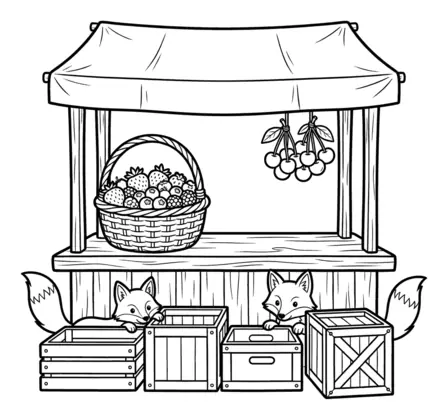
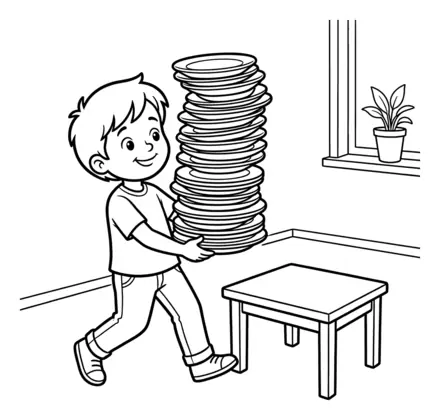
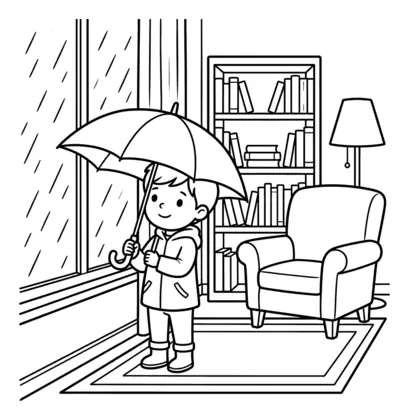
All grammar worksheets →Children learn how words and sentences work: naming words (nouns), doing words (verbs), describing words (adjectives and adverbs), joining words (conjunctions) and words for position and time (prepositions).
Years 2–3Sheet 70
Conjunctions: because, but and so
Print free →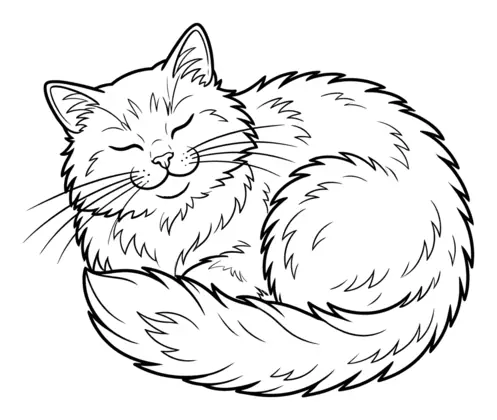
Years 1–2Sheet 71
Describing Words (Adjectives)
Print free →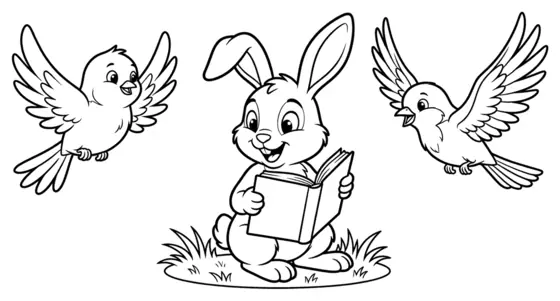
Years 1–2Sheet 72
Doing Words (Verbs)
Print free →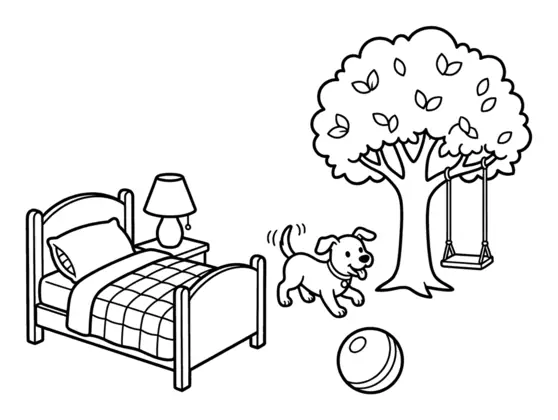
Years 1–2Sheet 73
Naming Words (Nouns)
Print free →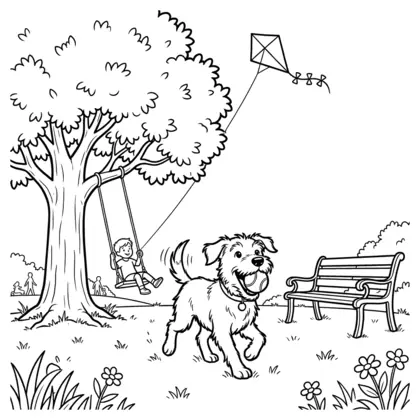
Years 2–3Sheet 74
Spot the Nouns, Verbs and Adjectives
Print free →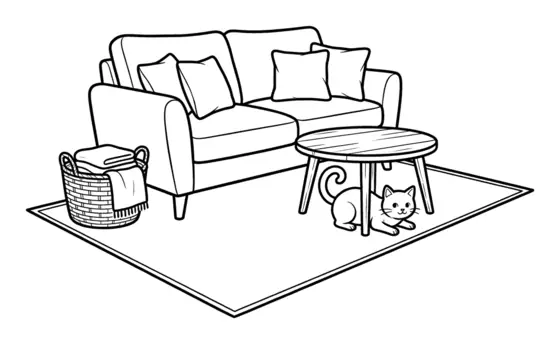
Years 2–3Sheet 110
Prepositions: Where Is the Cat?
Print free →Punctuation
Children start with capital letters and full stops, then learn question marks, commas, apostrophes and the inverted commas used for speech.
Story writing
Children learn to plan and write stories with a clear beginning, middle and end, and later to build settings, characters and plot.
Grammar words explained
A noun names a person, place or thing, such as dog or park. A verb is a doing or being word, such as run or is. An adjective describes a noun: a muddy dog. An adverb often tells you how something happens: the dog ran quickly. Using the proper names early makes Year 3 and Year 4 grammar much easier, so it is worth using them at home too.
Is there an English test in Year 2?
Year 2 has no compulsory English tests. Since 2023/24, all the KS1 tests, including reading and grammar, punctuation and spelling, have been optional, so some schools use them in May and others do not. Children who need to retake the phonics screening check do so in June. Your child's teacher can tell you what your school plans, and whether any results will be shared with you.
Questions parents ask
How do I explain there, their and they're?
There is about a place (over there). Their means belonging to them (their coats). They're is short for they are, and the apostrophe shows the missing letter. Ask your child to swap in 'they are' to check whether they're is right.
What is a suffix?
A suffix is a group of letters added to the end of a word to change its meaning or use, such as -ful in hopeful or -ly in slowly. Year 2 children learn -ment, -ness, -ful, -less and -ly, and the rules for adding them.
Do these English sheets cost anything?
No. You can print or save every Year 2 English sheet for free. There is no sign-up form and no email needed, and you can come back for another copy at any time.
Educational quiz app · Ages 5-10
More learning in the Owee app
Owee turns topics like this into quizzes for children aged 5 to 10, and a treehouse grows as they learn. No ads, no chat, no strangers.
- Family-friendly
- No ads
- Private
Educational quiz app · Ages 5-10
More learning in the Owee app
Owee turns topics like this into quizzes for children aged 5 to 10, and a treehouse grows as they learn. No ads, no chat, no strangers.
Scan with your phone camera
- Family-friendly
- No ads
- Private