Educational quiz app · Ages 5-10
This is what learning looks like


Educational quiz app · Ages 5-10
This is what learning looks like
No nagging required. Keep the learning going after the worksheet, with every question read aloud and Owee guiding each step.
Scan with your phone camera
- Family-friendly
- No ads
- Private
English · Writing and colouring worksheet
Adjectives (Describing Words): Free KS1 Year 2 English Worksheet
In Year 2, children begin to use the word adjective and to understand that adjectives are describing words — words that tell us more about a noun, such as fluffy, soft, sleepy or warm. Choosing the right describing words is the first step towards writing expanded noun phrases like 'the fluffy sleepy cat', which make a child's writing far more interesting and precise.
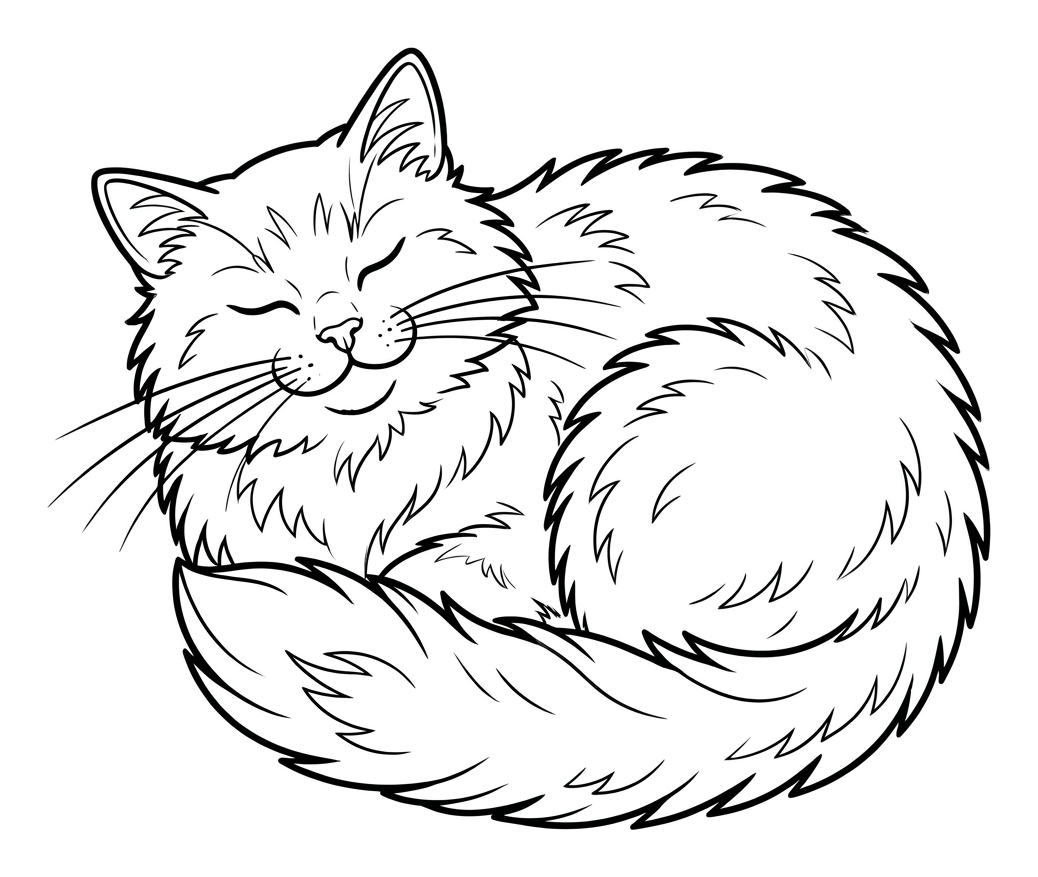
This free printable gives your child a single picture to look at closely and then describe. They write two describing words for the cat, then put both words in front of the noun to make a phrase such as the soft, sleepy cat. It prints on one A4 page, and the picture can be coloured in once the writing is done.
What your child is learning
‘expanded noun phrases to describe and specify [for example, the blue butterfly]’
Year 2 English: Writing – vocabulary, grammar and punctuation, National Curriculum in England. Source and licence

Describing Words (Adjectives)
Free English worksheet · Ages 6 to 7
Write two describing words
Look at the cat. Write two describing words (adjectives) for it. Use the word bank or think of your own.
My first describing word is...
My second describing word is...
Now put both words in front of cat: the ...... , ...... cat
Colour the picture
Now colour the cat to match your describing words.
 Describing Words (Adjectives)Sheet 71
Answers: Describing Words (Adjectives)
Sheet 71
- My first describing word is... — Any sensible adjective, e.g. fluffy
- My second describing word is... — Any sensible adjective, e.g. sleepy
- Now put both words in front of cat: the ...... , ...... cat — The two adjectives before the noun, e.g. the fluffy, sleepy cat
For grown-ups. Free worksheets and the Owee quiz app at owee.world
Answer key
- My first describing word is... — Any sensible adjective, e.g. fluffy
- My second describing word is... — Any sensible adjective, e.g. sleepy
- Now put both words in front of cat: the ...... , ...... cat — The two adjectives before the noun, e.g. the fluffy, sleepy cat
What is on the worksheet
The worksheet shows one large, characterful picture — a fluffy cat curled up asleep — chosen because it invites lots of describing words. Your child looks carefully at the picture and writes two adjectives that describe it, for example fluffy and soft, or sleepy and round. On the last line they write both words in front of the noun cat to make an expanded noun phrase. A word bank offers eight describing words so that less confident writers have a starting point, while children who are ready can think of their own. Once the writing is finished, the same picture is there to be coloured in.
How to use it at home or in the classroom
Begin by talking about the picture together before any writing happens. Ask open questions such as 'What does the cat look like?', 'How does its fur feel?' and 'What is it doing?'. Each answer is usually an adjective in disguise. Encourage your child to say a full phrase out loud — 'the fluffy cat', 'the sleepy cat' — so they hear how the describing word sits in front of the noun. Then they choose their two favourite words to write down. There is no single correct answer: any word that describes the cat is a good answer. A common slip is writing a noun such as whiskers or tail. A quick check is to say it in the gap: ‘the ___ cat’. If it sounds right there, it is working as a describing word.
From adjectives to expanded noun phrases
The real purpose of describing words in Year 2 is to build expanded noun phrases — short groups of words built around a noun, such as 'the soft, fluffy cat'. The last line of the sheet asks your child to do exactly this, joining their two adjectives to the noun: 'the fluffy, sleepy cat'. Two adjectives before a noun are usually separated by a comma, which also links to the Year 2 work on commas in lists. In Year 4, children expand noun phrases further with a preposition phrase, such as 'the fluffy cat on the rug'.
A note for teachers
This sheet introduces the grammatical term adjective and supports pupils in selecting vocabulary for description, in line with the Year 2 requirements in English Appendix 2. It works well as a shared modelling task on the board, an independent follow-up, or an early-finisher activity. To extend, ask pupils to use their noun phrase in a full sentence on the back of the sheet, or to add a third describing word. To support, narrow the word bank to two or three options and model writing the first adjective together.
Frequently asked questions
What is an adjective for Year 2 children?
An adjective is a describing word that tells us more about a noun (a person, animal, place or thing). For a sleeping cat, adjectives might be fluffy, soft, sleepy, warm or round. In Year 2, children begin to use the term 'adjective' and learn to choose describing words to make their writing clearer and more interesting.
What is an expanded noun phrase?
An expanded noun phrase is a short group of words built around a noun, where one or more adjectives describe it — for example 'the soft, fluffy cat' or 'the big blue butterfly'. Choosing good describing words, as this worksheet practises, is the first step towards writing expanded noun phrases, which is a key Year 2 grammar objective.
How can I help my child use more describing words?
Talk about what you can see, hear and feel during everyday moments — looking at a pet, a meal or a walk. Ask 'What does it look like?' and 'How does it feel?'. Each answer is often an adjective. Saying full phrases out loud, such as 'the warm, sunny day', helps your child hear how describing words fit naturally in front of a noun, which is exactly what this sheet encourages.
Is this adjectives worksheet free to print?
Yes. This worksheet is completely free to download and print. It is designed to fit neatly onto one A4 page, so you can print as many copies as you need for home or the classroom.
What age and year group is this worksheet for?
It is aimed at children aged 6 to 7 in Year 2 (KS1), where the term 'adjective' and expanded noun phrases are introduced. It can also be used as gentle revision in early Year 3 or as a confidence builder for any child who is beginning to add description to their writing.
Curriculum links
- Year 2 English: Writing – vocabulary, grammar and punctuation (statutory): 'expanded noun phrases to describe and specify [for example, the blue butterfly]'
Quoted word for word from Department for Education documents: the National Curriculum in England, the EYFS framework or the RSHE guidance. Contains public sector information licensed under the Open Government Licence v3.0.
Made by The Owee education team. Updated 13/10/2026. Free to print and share.
More english worksheets
All Year 2 English worksheets →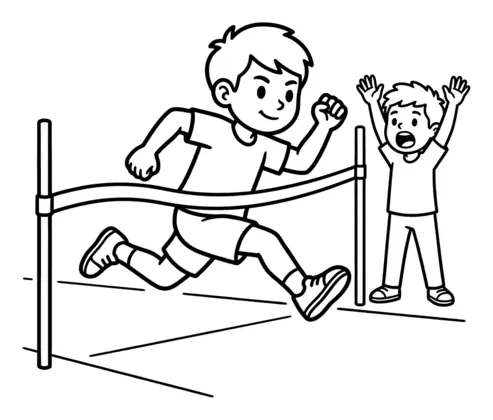
Years 3–4 · GrammarSheet 109
Adverbs: How, When and Where
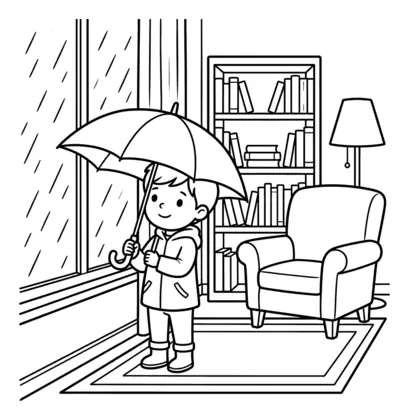
Years 2–3 · GrammarSheet 70
Conjunctions: because, but and so
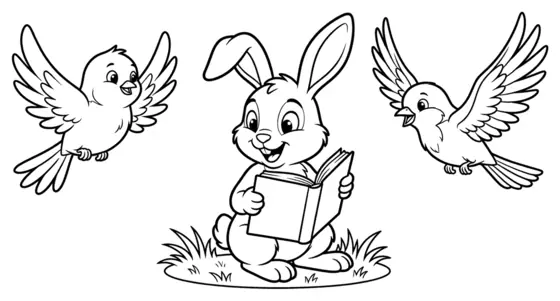
Years 1–2 · GrammarSheet 72
Doing Words (Verbs)
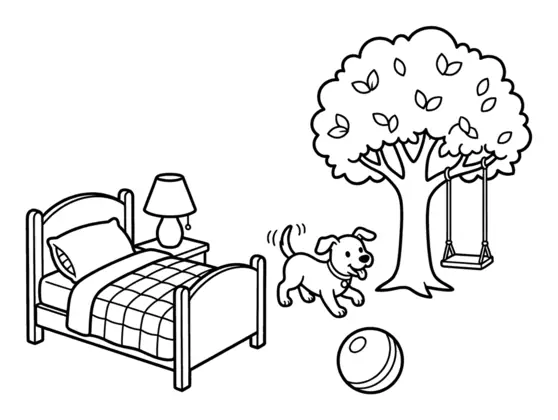
Years 1–2 · GrammarSheet 73
Naming Words (Nouns)
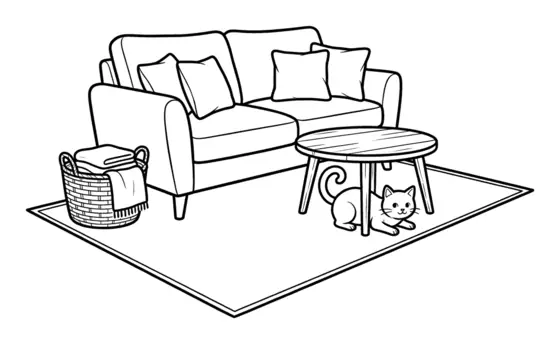
Years 2–3 · GrammarSheet 110
Prepositions: Where Is the Cat?
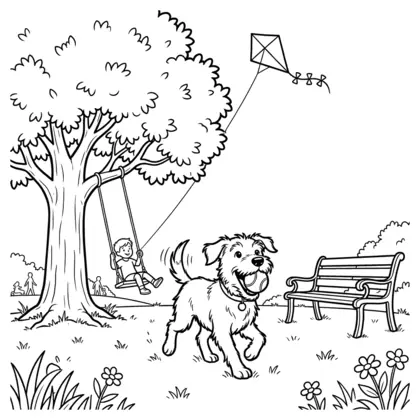
Years 2–3 · GrammarSheet 74
Spot the Nouns, Verbs and Adjectives
Educational quiz app · Ages 5-10
More learning in the Owee app
Owee turns topics like this into quizzes for children aged 5 to 10, and a treehouse grows as they learn. No ads, no chat, no strangers.
- Family-friendly
- No ads
- Private
Educational quiz app · Ages 5-10
More learning in the Owee app
Owee turns topics like this into quizzes for children aged 5 to 10, and a treehouse grows as they learn. No ads, no chat, no strangers.
Scan with your phone camera
- Family-friendly
- No ads
- Private