Educational quiz app · Ages 5-10
This is what learning looks like


Educational quiz app · Ages 5-10
This is what learning looks like
No nagging required. Keep the learning going after the worksheet, with every question read aloud and Owee guiding each step.
Scan with your phone camera
- Family-friendly
- No ads
- Private
History · Colouring and labelling worksheet
Parts of a Castle Worksheet (Free KS1 History Printable)
This free printable worksheet introduces children aged 5 to 7 to the main parts of a medieval castle. They colour a stone castle and label its key features: the keep, a tower, the battlements, an arrow slit, the gatehouse, the drawbridge and the moat.
Castles are a familiar way into Key Stage 1 history. This sheet pairs colouring with a simple labelling task, and the notes below help you explain why castles were built and how each feature helped to keep the people inside safe. It prints on one A4 page.
What your child is learning
‘develop an awareness of the past, using common words and phrases relating to the passing of time’
KS1 History, National Curriculum in England. Source and licence

Parts of a Castle
Free History worksheet · Ages 5 to 7
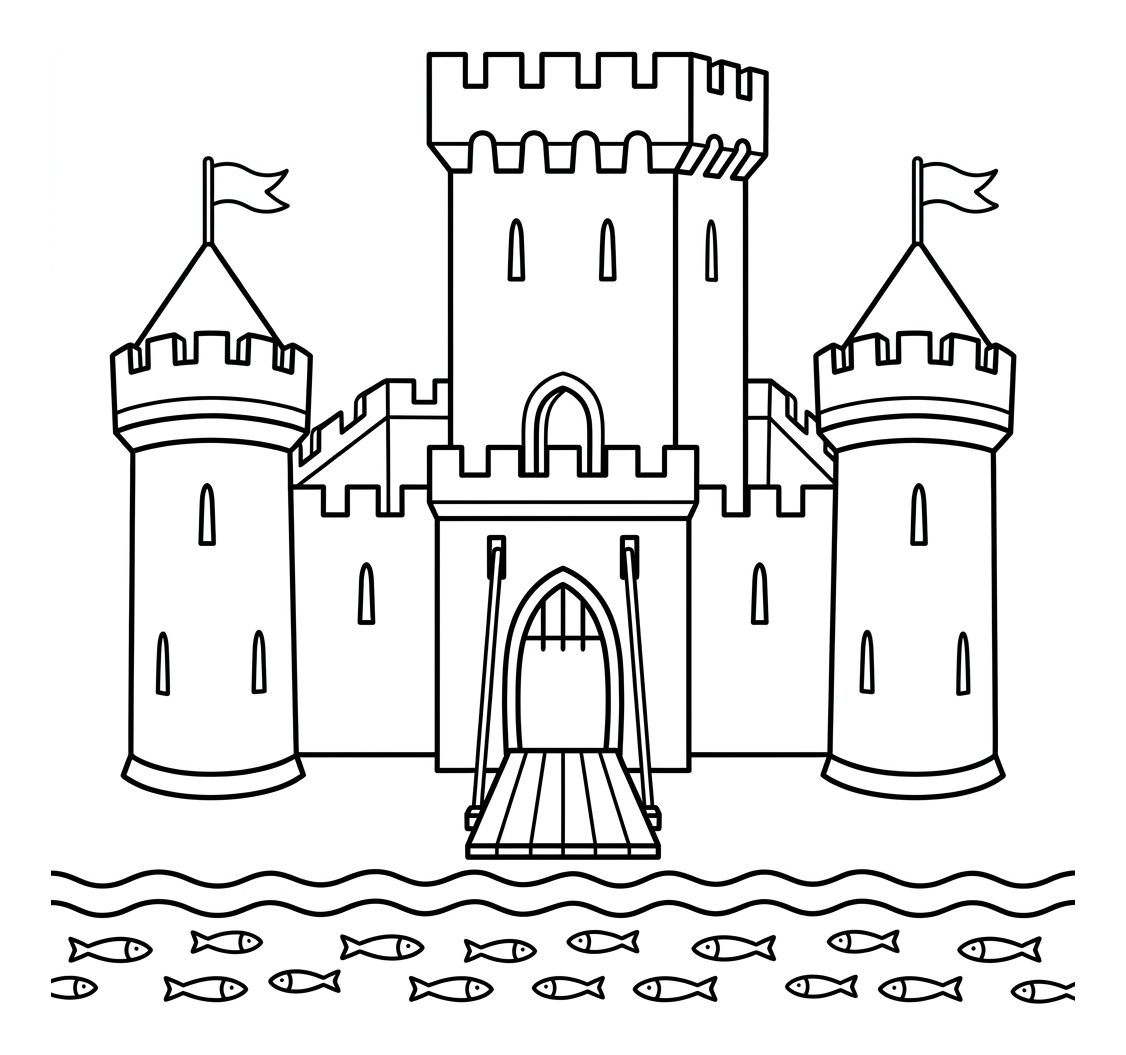
Activity 1
Colour the castle. Use these colours to help you. Can you colour the fish too?
- Colour the stone walls and towers grey.
- Colour the wooden drawbridge brown.
- Colour the flags red.
- Colour the water in the moat blue.
Activity 2
Look at the numbers on the castle. Write the name of each part on its line. Use the word bank to help you.
- 1
- 2
- 3
- 4
- 5
- 6
- 7
 Parts of a CastleSheet 47
Answers: Parts of a Castle
Sheet 47
- 1. battlements
- 2. keep
- 3. tower
- 4. arrow slit
- 5. gatehouse
- 6. drawbridge
- 7. moat
For grown-ups. Free worksheets and the Owee quiz app at owee.world
Answer key
- 1. battlements
- 2. keep
- 3. tower
- 4. arrow slit
- 5. gatehouse
- 6. drawbridge
- 7. moat
What your child will learn
This worksheet helps children name the key features of a medieval castle and connect each one to its purpose. The keep was the strong central tower where the most important people lived. The battlements (the up-and-down pattern along the top of the walls) gave soldiers somewhere to shelter while keeping watch, and arrow slits were narrow windows they could shoot through while staying protected. The moat was a wide ditch, often filled with water, that made the castle hard to reach, and the drawbridge and gatehouse controlled who came in and out. Naming features and saying what they were for builds the early history vocabulary and reasoning that KS1 history develops.
Why castles were built and defended
Castles were built in Britain mainly after 1066, when the Normans wanted strong bases to control the land and protect themselves from attack. Early castles were often simple motte and bailey designs made of wood and earth, but over time many were rebuilt in stone, like the castle on this sheet. Almost every part of a castle had a defensive job: thick walls were hard to break through, towers let defenders see in every direction, the moat slowed attackers down, and the drawbridge could be raised to seal the entrance. In the picture the drawbridge is down, so ask your child what the guards would do if enemies came. Talking about these reasons helps children see that castles were designed to solve real problems.
How to use this worksheet at home or in class
Start by colouring the castle together and chatting about what each part might be for. Then do the labelling: point to each number on the picture, talk about what it shows, and help your child find the matching word in the word bank and write it on the numbered line. Year 1 children might label three or four parts and say the rest aloud; Year 2 children can usually label all seven. A common mix-up is between the keep and the towers: the keep is the biggest, strongest tower in the middle, while the smaller towers sit at the corners and along the walls.
Extending the learning
To go further, visit a local castle or look at photographs of well-known British castles such as the Tower of London, Warwick Castle or Caernarfon Castle, and spot the same features in real life. You could compare a stone castle with an earlier motte and bailey design, draw a castle of your own, or talk about who lived and worked in a castle, from the lord and lady to soldiers, cooks and blacksmiths. Linking the worksheet to a real place your child can visit or has heard of supports the KS1 focus on significant places, both in their own area and across the country.
Frequently asked questions
What are the main parts of a castle for KS1?
The key features KS1 children usually learn are the keep (the strong central tower), the towers, the battlements along the top of the walls, the moat (a wide ditch around the castle), the drawbridge, the gatehouse and the narrow arrow slits. This worksheet asks children to label all seven on the picture.
What age is this castle worksheet for?
It is designed for children aged 5 to 7, covering Key Stage 1 (Years 1 and 2). Year 1 children may label a few features with adult support, while Year 2 children can usually label all seven.
Is this castle worksheet free to print?
Yes. The worksheet is free to download and print. It fits on a single A4 page so you can print it at home or in the classroom.
Why were medieval castles built?
Castles were built as strong homes and bases that could be defended, especially after the Norman Conquest of 1066. Their walls, towers, moats and drawbridges were all designed to protect the people inside from attack and to help control the surrounding land.
What is the difference between a keep and a tower?
The keep is the large, strongest tower at the heart of the castle, often where the lord and his family lived and where people sheltered during an attack. Smaller towers were usually built into the corners and along the walls to help soldiers keep watch and defend the castle.
Curriculum links
- KS1 History: 'develop an awareness of the past, using common words and phrases relating to the passing of time'
- KS1 History: 'ask and answer questions, choosing and using parts of stories and other sources to show that they know and understand key features of events'
Quoted word for word from Department for Education documents: the National Curriculum in England, the EYFS framework or the RSHE guidance. Contains public sector information licensed under the Open Government Licence v3.0.
Made by The Owee education team. Updated 13/10/2026. Free to print and share.
More history worksheets
All Year 1 worksheets →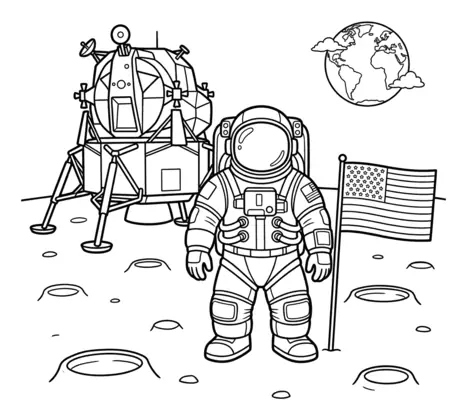
Years 1–2 · Famous peopleSheet 94
The First Moon Landing
Years 1–2 · Great Fire of LondonSheet 95
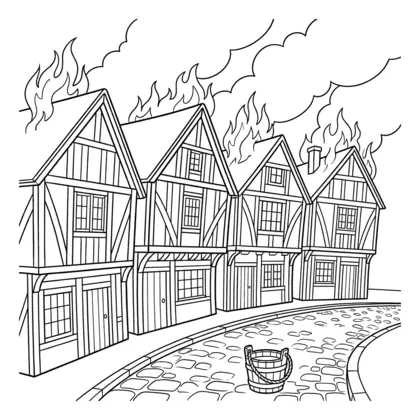
The Great Fire of London
Years 1–2 · Toys then and nowSheet 48
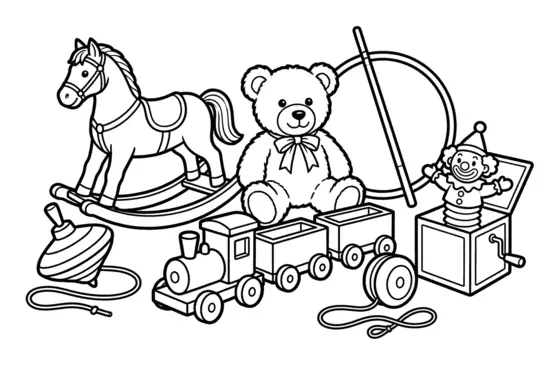
Toys Then and Now

Years 1–2 · TransportSheet 49
Transport Through Time
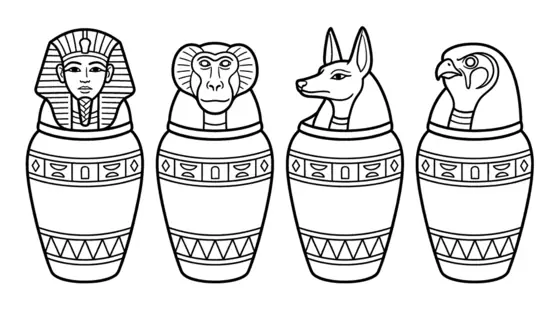
Years 3–4 · Ancient EgyptSheet 127
Egyptian Mummies and Canopic Jars
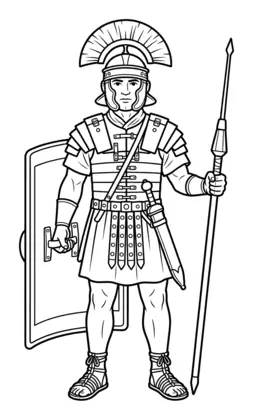
Years 3–4 · RomansSheet 167
Label a Roman Soldier
Educational quiz app · Ages 5-10
More learning in the Owee app
Owee turns topics like this into quizzes for children aged 5 to 10, and a treehouse grows as they learn. No ads, no chat, no strangers.
- Family-friendly
- No ads
- Private
Educational quiz app · Ages 5-10
More learning in the Owee app
Owee turns topics like this into quizzes for children aged 5 to 10, and a treehouse grows as they learn. No ads, no chat, no strangers.
Scan with your phone camera
- Family-friendly
- No ads
- Private