Educational quiz app · Ages 5-10
This is what learning looks like


Educational quiz app · Ages 5-10
This is what learning looks like
No nagging required. Keep the learning going after the worksheet, with every question read aloud and Owee guiding each step.
Scan with your phone camera
- Family-friendly
- No ads
- Private
History · Colouring and counting worksheet
The Egyptian Pyramids: Free KS2 History Worksheet
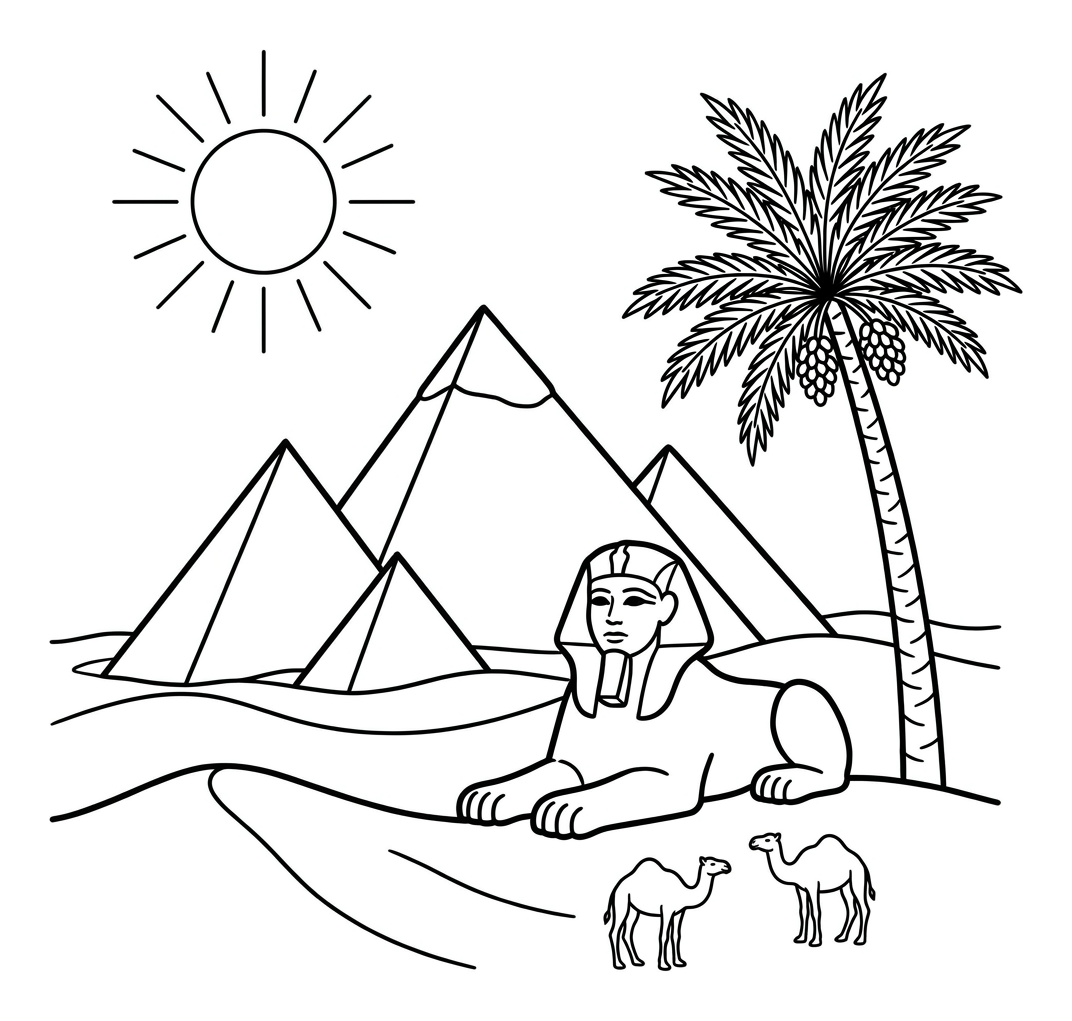
The Ancient Egyptian pyramids are a favourite part of the Key Stage 2 history curriculum, and this free worksheet helps children aged 7 to 9 explore them through colouring and counting. Children colour a desert scene showing the pyramids of Giza, the Great Sphinx and a date palm, then count what they can see.
The activity is designed to sit alongside a wider depth study of Ancient Egypt. It works as a calm independent task, a homework sheet, or a gentle introduction before a lesson on tombs, pharaohs and how the pyramids were built. Everything fits on a single A4 page and needs only colouring pencils and a pencil.
What your child is learning
‘the achievements of the earliest civilizations – an overview of where and when the first civilizations appeared and a depth study of one of the following: Ancient Sumer, The Indus Valley, Ancient Egypt, The Shang Dynasty of Ancient China’
Key stage 2 History: Earliest civilizations (Ancient Egypt depth study), National Curriculum in England. Source and licence
The Egyptian Pyramids
Free History worksheet · Ages 7 to 9
Activity 1
Colour the desert scene at Giza. Try to use real-life colours.
- Colour the pyramids and the Great Sphinx in sandy yellow and brown.
- Colour the sand dunes a warm golden-yellow.
- Colour the sky blue and the sun bright yellow.
- Colour the palm tree with a brown trunk and green leaves.
Activity 2
Look carefully at the picture and count each thing. Write your answer in the box.
- How many pyramids can you see? Look for a small one too.
- How many camels can you see?
- How many palm trees are in the picture?
- How many bunches of dates hang from the palm tree?
 The Egyptian PyramidsSheet 128
Answers: The Egyptian Pyramids
Sheet 128
- How many pyramids can you see? Look for a small one too. — 4
- How many camels can you see? — 2
- How many palm trees are in the picture? — 1
- How many bunches of dates hang from the palm tree? — 2
For grown-ups. Free worksheets and the Owee quiz app at owee.world
Answer key
- How many pyramids can you see? Look for a small one too. — 4
- How many camels can you see? — 2
- How many palm trees are in the picture? — 1
- How many bunches of dates hang from the palm tree? — 2
What were the Egyptian pyramids for?
The most famous Egyptian pyramids were built as royal tombs: grand burial places for the kings of Ancient Egypt, who were known as pharaohs. Smaller pyramids nearby were built for queens. The Egyptians believed that a pharaoh would live on in an afterlife, so the body was carefully preserved as a mummy and placed inside the pyramid, surrounded by treasures, food and everyday objects the ruler might need. Most pyramids were broken into and robbed long ago, which is one reason later pharaohs were buried in hidden tombs in the Valley of the Kings instead. For children, the simplest accurate idea to hold on to is that a pyramid was a giant stone tomb built to protect and honour a dead pharaoh.
The Great Pyramid and the Great Sphinx at Giza
The best-known pyramids stand on the Giza plateau, near modern-day Cairo. The largest is the Great Pyramid of Giza, built for the pharaoh Khufu around 4,500 years ago (roughly 2560 BC). It was the tallest building made by people anywhere in the world for thousands of years, and it is the only one of the Seven Wonders of the Ancient World still standing today. Crouching nearby is the Great Sphinx, an enormous statue carved from the bedrock with the body of a lion and the head of a man, thought to show a pharaoh. Giza has three large pyramids with smaller queens' pyramids beside them, which is why the picture shows three big pyramids and one small one.
How were the pyramids built?
The pyramids were built mostly from huge blocks of limestone, with some granite, and many blocks weigh more than a family car. Historians and archaeologists are still studying exactly how this was done, but the evidence points to large, well-organised teams of workers who were housed and fed, rather than enslaved people, as was once widely believed. The workers are thought to have dragged the blocks on sledges, possibly over wet sand or up ramps, and shaped each stone so that it fitted closely against its neighbours. Talking about the scale of the achievement, with thousands of people working together for many years without modern machines, helps children understand why the pyramids are still admired today.
Using this worksheet at home or in class
This sheet suits Years 3 and 4, when most schools teach Ancient Egypt as an early-civilisation depth study. Before colouring, ask your child what they already know about Egypt, mummies or deserts. As they colour, encourage realistic choices: golden-yellow sand, blue sky, sandy-brown pyramids and a green palm. The counting task asks them to look closely, and the small pyramid in front is easy to miss. The camels make a good talking point: camels were not used in Egypt when the pyramids were built and only became common there much later, so the picture shows Giza as visitors see it today. Afterwards, ask for a few sentences about what the pyramids were for and who was buried inside.
Frequently asked questions
What were the Egyptian pyramids used for?
The most famous Egyptian pyramids were royal tombs. They were built as grand burial places for pharaohs, the kings of Ancient Egypt, who were buried inside as mummies along with treasures and objects for the afterlife. Smaller pyramids nearby were built for queens.
How old is the Great Pyramid of Giza?
The Great Pyramid of Giza was built for the pharaoh Khufu around 4,500 years ago (about 2560 BC). It is the only one of the Seven Wonders of the Ancient World that still stands today.
Is this pyramids worksheet suitable for KS2?
Yes. It is aimed at children aged 7 to 9 (Years 3 and 4) and links to the KS2 history depth study of Ancient Egypt. The counting task also gives a little maths practice.
What is the Great Sphinx?
The Great Sphinx is a giant statue at Giza with the body of a lion and the head of a man, believed to show a pharaoh. It was carved from the natural rock and crouches near the pyramids.
Is this pyramids worksheet free to print?
Yes. The worksheet is free to download and print. It fits on a single A4 page and needs only colouring pencils and a pencil, so it suits home or the classroom.
Curriculum links
- Key stage 2 History: Earliest civilizations (Ancient Egypt depth study) (statutory): 'the achievements of the earliest civilizations – an overview of where and when the first civilizations appeared and a depth study of one of the following: Ancient Sumer, The Indus Valley, Ancient Egypt, The Shang Dynasty of Ancient China'
Quoted word for word from Department for Education documents: the National Curriculum in England, the EYFS framework or the RSHE guidance. Contains public sector information licensed under the Open Government Licence v3.0.
Made by The Owee education team. Updated 13/10/2026. Free to print and share.
More history worksheets
All Year 3 worksheets →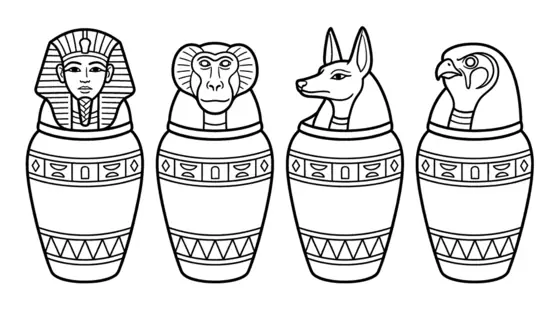
Years 3–4 · Ancient EgyptSheet 127
Egyptian Mummies and Canopic Jars
Years 3–4 · RomansSheet 167
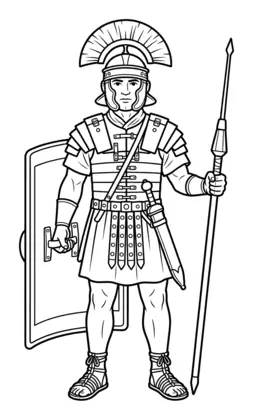
Label a Roman Soldier
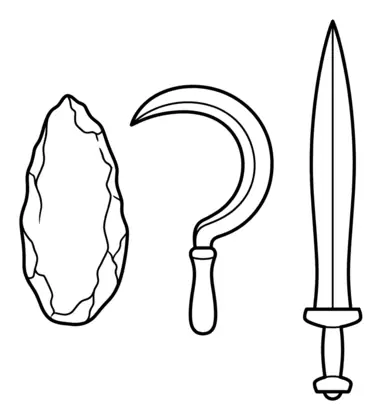
Years 3–4 · Stone Age to Iron AgeSheet 129
Stone Age to Iron Age Timeline
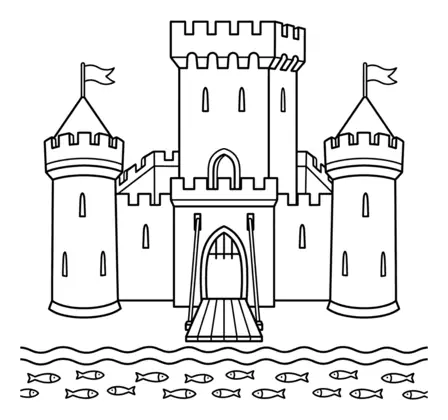
Years 1–2 · CastlesSheet 47
Parts of a Castle
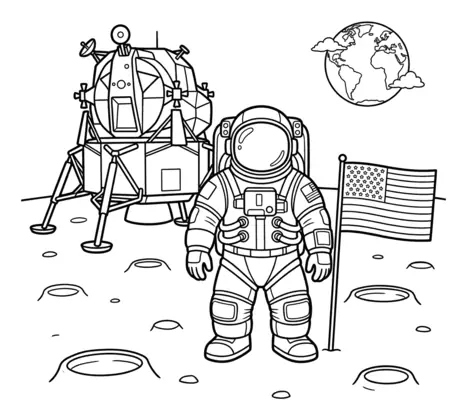
Years 1–2 · Famous peopleSheet 94
The First Moon Landing
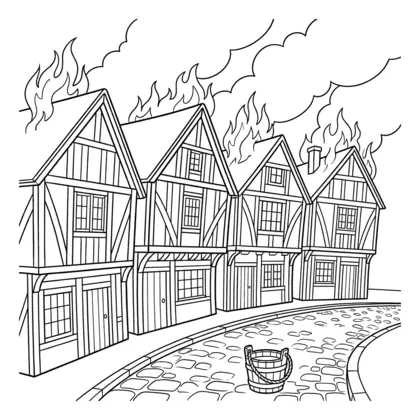
Years 1–2 · Great Fire of LondonSheet 95
The Great Fire of London
Educational quiz app · Ages 5-10
More learning in the Owee app
Owee turns topics like this into quizzes for children aged 5 to 10, and a treehouse grows as they learn. No ads, no chat, no strangers.
- Family-friendly
- No ads
- Private
Educational quiz app · Ages 5-10
More learning in the Owee app
Owee turns topics like this into quizzes for children aged 5 to 10, and a treehouse grows as they learn. No ads, no chat, no strangers.
Scan with your phone camera
- Family-friendly
- No ads
- Private