Educational quiz app · Ages 5-10
This is what learning looks like


Educational quiz app · Ages 5-10
This is what learning looks like
No nagging required. Keep the learning going after the worksheet, with every question read aloud and Owee guiding each step.
Scan with your phone camera
- Family-friendly
- No ads
- Private
History · Colouring and short-answer worksheet
Victorian Children and Toys: Free KS2 History Worksheet
This free printable worksheet introduces children to the lives of Victorian boys and girls through the toys and games they played with. While colouring the picture, your child can start thinking about how different childhood was during Queen Victoria's reign, from 1837 to 1901, and how much a child's life depended on whether their family was rich or poor.
Designed for Key Stage 2 (Years 5 and 6), it pairs a colouring activity with four short-answer questions that ask children to compare, reason and use the picture as evidence, rather than simply recall facts. It prints on a single A4 page for use at home or in the classroom.
What your child is learning
‘a study of an aspect or theme in British history that extends pupils’ chronological knowledge beyond 1066’
Key stage 2 History: a theme in British history beyond 1066, National Curriculum in England. Source and licence
Victorian Children and Toys
Free History worksheet · Ages 9 to 11
Activity 1
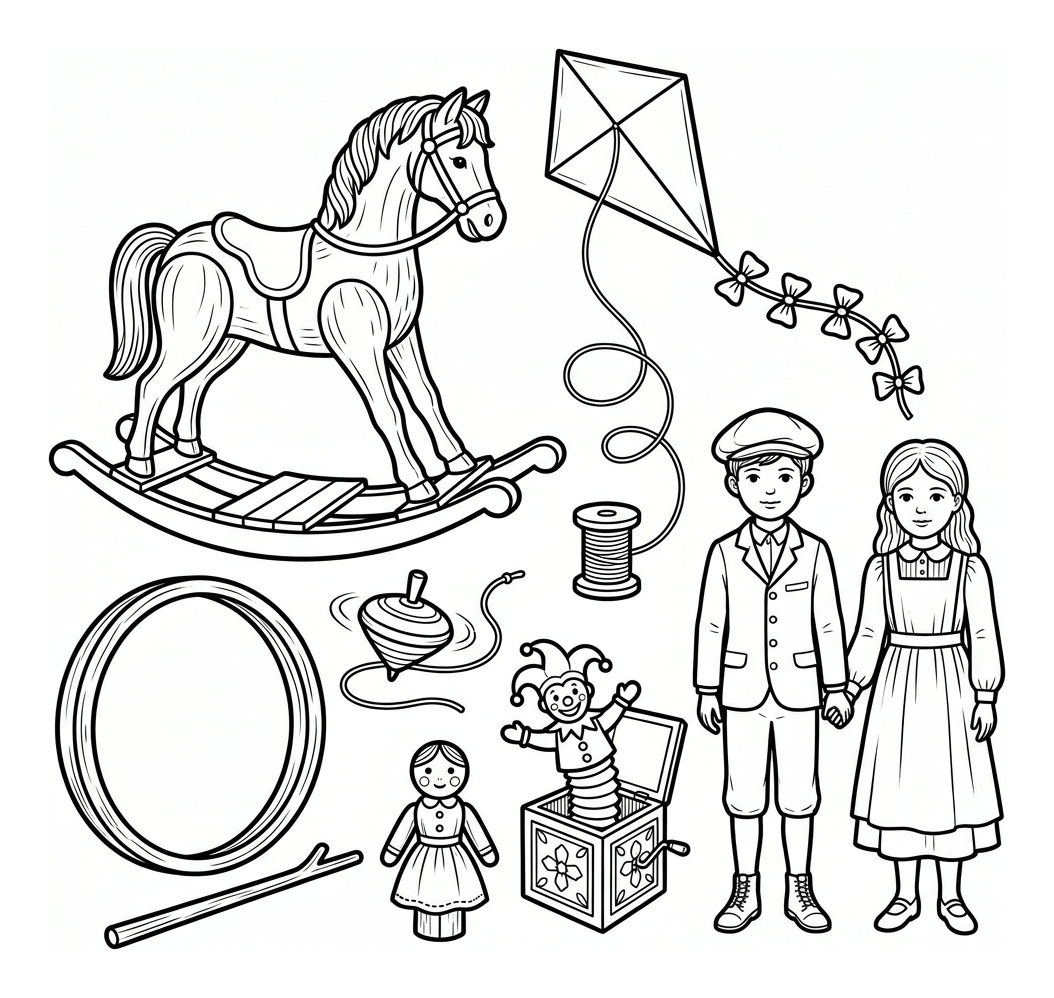
Colour the Victorian toys and the two children. As you colour, think: which toys look expensive, and which look simple or homemade?
- Colour the rocking horse a rich brown.
- Colour the hoop and stick, the spinning top and the kite in bright colours.
- Colour the peg doll and the jack-in-the-box, then the children's clothes.
Activity 2
Use what you have learned about the Victorians to answer these questions in your own words.
Name two toys a poor Victorian child was likely to play with.
Why did many poor Victorian children have very little time to play?
Look at the picture. Which toy do you think cost the most? Explain why.
Write one way your own childhood is different from a Victorian child's childhood.
 Victorian Children and ToysSheet 177
Answers: Victorian Children and Toys
Sheet 177
- Name two toys a poor Victorian child was likely to play with. — Any two of: hoop and stick, spinning top, marbles, rag or peg doll, cup-and-ball.
- Why did many poor Victorian children have very little time to play? — They had to work long hours in factories, mines or other people's homes, or help look after their families.
- Look at the picture. Which toy do you think cost the most? Explain why. — Most likely the rocking horse: it is large, carved and painted, so it took a skilled craftsman a long time to make. Accept any well-explained choice.
- Write one way your own childhood is different from a Victorian child's childhood. — Open answer, for example: today all children must go to school and are not allowed to do full-time work, or we have electronic toys and games.
For grown-ups. Free worksheets and the Owee quiz app at owee.world
Answer key
- Name two toys a poor Victorian child was likely to play with. — Any two of: hoop and stick, spinning top, marbles, rag or peg doll, cup-and-ball.
- Why did many poor Victorian children have very little time to play? — They had to work long hours in factories, mines or other people's homes, or help look after their families.
- Look at the picture. Which toy do you think cost the most? Explain why. — Most likely the rocking horse: it is large, carved and painted, so it took a skilled craftsman a long time to make. Accept any well-explained choice.
- Write one way your own childhood is different from a Victorian child's childhood. — Open answer, for example: today all children must go to school and are not allowed to do full-time work, or we have electronic toys and games.
Why the Victorians are a popular KS2 topic
The Victorian era is one of the most widely taught topics in upper Key Stage 2 history. It fits the National Curriculum requirement for a study of an aspect or theme in British history beyond 1066, and it is rich in evidence: photographs, museum collections, census records, school logbooks and real toys have all survived, giving children plenty of sources to examine. Toys and games are a friendly way into the period because they connect directly to a child's own experience of play, so the comparison with today feels real rather than abstract.
How rich and poor children played differently
A child's toys in Victorian Britain said a great deal about their family's wealth. Children from well-off families might own carved rocking horses, china or wax dolls, dolls' houses, clockwork trains, jigsaw puzzles and painted jack-in-the-boxes, often bought from shops or made by skilled craftsmen. Children from poor families usually had homemade or very cheap toys: a hoop and stick rolled along the street, a spinning top, marbles, a rag or peg doll, or a cup-and-ball. Many poor children had little time to play at all, because they were expected to work or help at home. Comparing these two worlds helps children understand that childhood itself was shaped by social class.
School, work and the shape of childhood
Education and work changed a great deal across the Victorian period. At the start of Victoria's reign, many children worked long hours in factories, mills and mines, or as chimney sweeps and servants. Laws slowly limited this: the Mines Act of 1842 stopped children under ten working underground, and a series of Factory Acts cut working hours. The Elementary Education Act of 1870 set up schools where there were not enough, and from 1880 school was compulsory for children aged 5 to 10, although many still left early to earn money. Elementary schooling was made free in 1891. This context matters: the games on this worksheet were squeezed into whatever free time a child had, and for many poorer children that time was short.
Using this worksheet at home or in class
Begin with the colouring, which gives children time to look closely at each toy before they write. Encourage them to notice which toys look expensive and which look simple or homemade; the third question asks them to use the picture as evidence and explain their choice. The questions focus on comparison and change rather than single facts, which is what KS2 history asks for. A common misconception is that all Victorian children were poor, or that all were rich and well dressed like the children in many old photographs; a good answer recognises both. To extend the learning, visit a local museum with a Victorian collection, look at photographs from the period, or compare your child's own toys and free time with a Victorian child's.
Frequently asked questions
What toys did Victorian children play with?
Victorian children played with rocking horses, dolls (peg, rag, wax or china), spinning tops, hoops and sticks, marbles, cup-and-ball, kites, jack-in-the-boxes, jigsaw puzzles and clockwork trains. Wealthier children tended to own shop-bought, finely made toys, while poorer children usually had simple homemade ones.
How was Victorian childhood different for rich and poor children?
Rich Victorian children often had nurseries, expensive toys, governesses, tutors or private schools and plenty of free time. Poor children often worked long hours in factories, mines or other people's homes, had little time to play and made do with cheap or homemade toys. A child's experience depended heavily on their family's wealth and social class.
Is this worksheet suitable for Key Stage 2?
Yes. It is aimed at children aged 9 to 11 in Years 5 and 6 and supports the National Curriculum requirement for a study of an aspect of British history beyond 1066. The questions focus on comparison and reasoning, which suits KS2 history.
When did Victorian children start going to school?
Schools became much more widely available after the Elementary Education Act of 1870, and school was made compulsory for children aged 5 to 10 in 1880. Before this, many children worked instead of going to school, and even afterwards some left early to earn money for their families.
Is this Victorians worksheet free to print?
Yes. This worksheet is free to download and print. It fits on a single A4 page, so it is easy to use at home or photocopy for a classroom.
Curriculum links
- Key stage 2 History: a theme in British history beyond 1066 (statutory): 'a study of an aspect or theme in British history that extends pupils’ chronological knowledge beyond 1066'
- KS2 History: 'note connections, contrasts and trends over time and develop the appropriate use of historical terms'
- KS2 History: 'construct informed responses that involve thoughtful selection and organisation of relevant historical information'
Quoted word for word from Department for Education documents: the National Curriculum in England, the EYFS framework or the RSHE guidance. Contains public sector information licensed under the Open Government Licence v3.0.
Made by The Owee education team. Updated 13/10/2026. Free to print and share.
More history worksheets
All Year 5 worksheets →
Years 3–4 · Ancient EgyptSheet 127
Egyptian Mummies and Canopic Jars
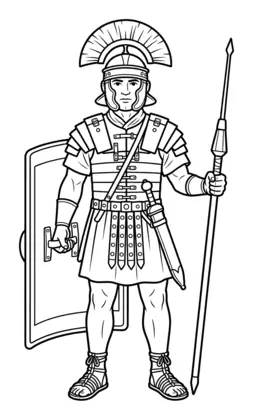
Years 3–4 · RomansSheet 167
Label a Roman Soldier
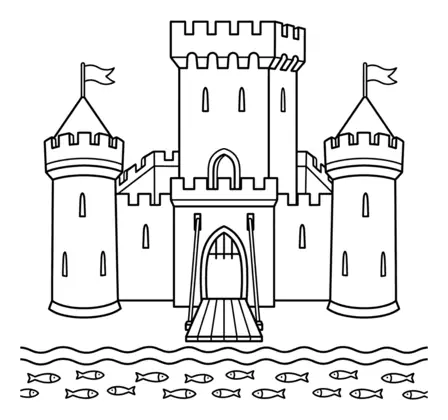
Years 1–2 · CastlesSheet 47
Parts of a Castle
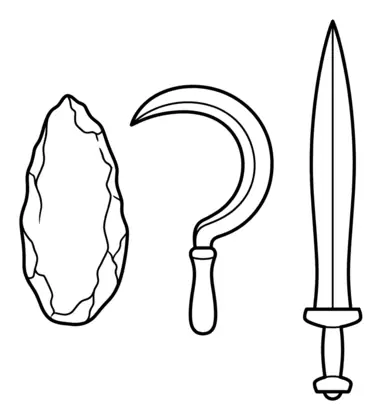
Years 3–4 · Stone Age to Iron AgeSheet 129
Stone Age to Iron Age Timeline
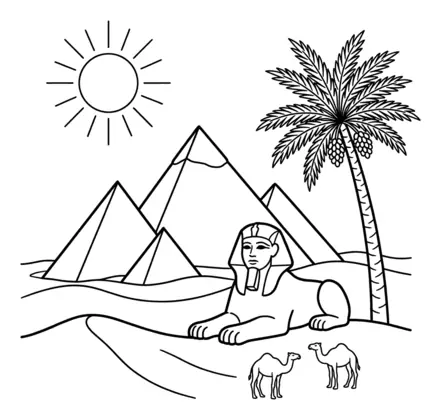
Years 3–4 · Ancient EgyptSheet 128
The Egyptian Pyramids
Years 1–2 · Famous peopleSheet 94
The First Moon Landing
Educational quiz app · Ages 5-10
More learning in the Owee app
Owee turns topics like this into quizzes for children aged 5 to 10, and a treehouse grows as they learn. No ads, no chat, no strangers.
- Family-friendly
- No ads
- Private
Educational quiz app · Ages 5-10
More learning in the Owee app
Owee turns topics like this into quizzes for children aged 5 to 10, and a treehouse grows as they learn. No ads, no chat, no strangers.
Scan with your phone camera
- Family-friendly
- No ads
- Private