Educational quiz app · Ages 5-10
This is what learning looks like


Educational quiz app · Ages 5-10
This is what learning looks like
No nagging required. Keep the learning going after the worksheet, with every question read aloud and Owee guiding each step.
Scan with your phone camera
- Family-friendly
- No ads
- Private
History · Colouring and writing worksheet
The First Moon Landing: Free KS1 History Worksheet
In July 1969, astronaut Neil Armstrong became the first person to walk on the Moon, an event watched on television by millions of people around the world. This free, printable worksheet helps children aged 6 to 7 talk about the Moon landing as a famous event from the past and recognise Armstrong as a significant person in history.
It pairs a colouring picture with four simple questions, and prints on a single sheet of A4. Use it at home or in the classroom to support the Key Stage 1 history topic on the lives of significant people in the past.
What your child is learning
‘the lives of significant individuals in the past who have contributed to national and international achievements’
Key stage 1 History: lives of significant individuals (Neil Armstrong is a DfE example), National Curriculum in England. Source and licence

The First Moon Landing
Free History worksheet · Ages 6 to 7
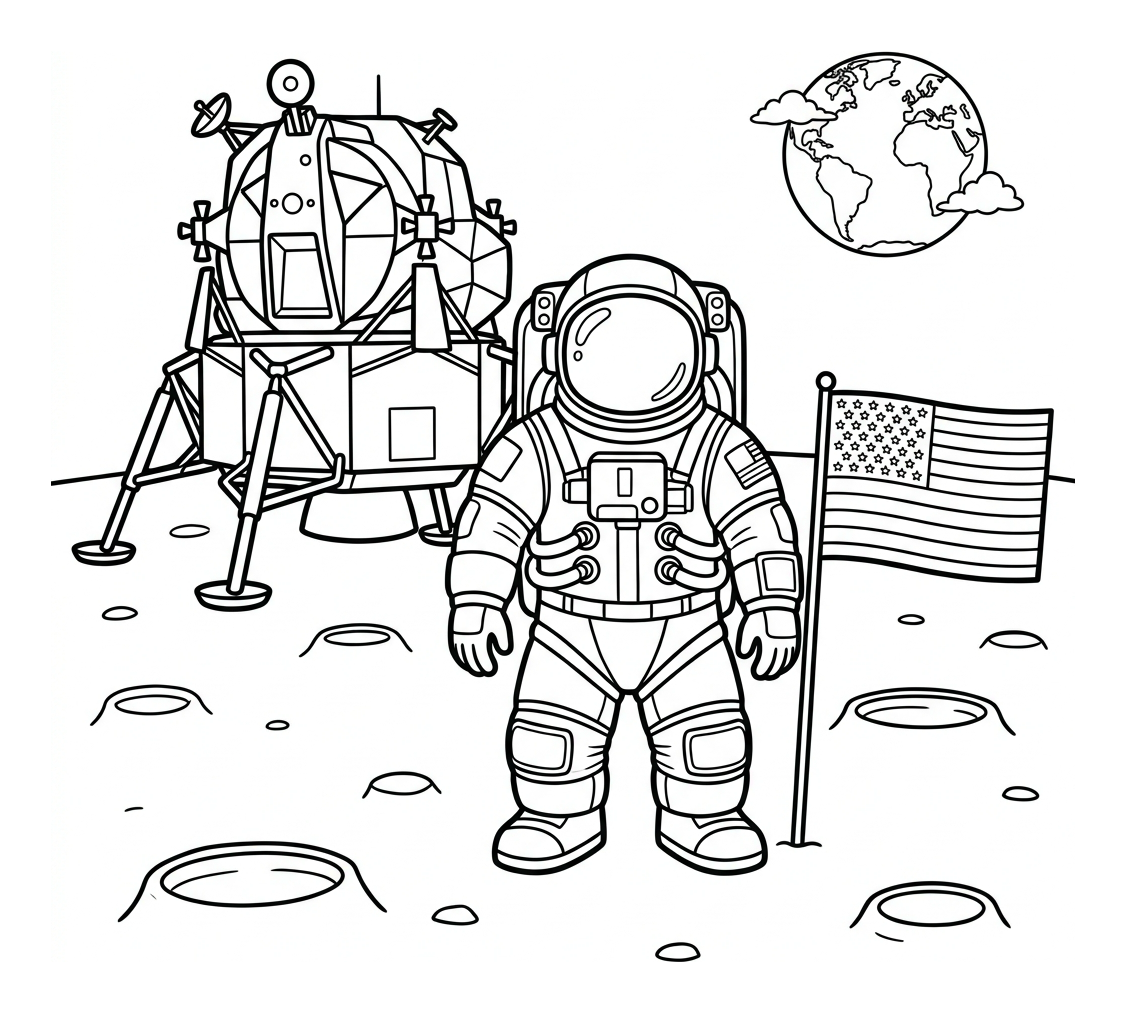
Colour the Moon landing
Colour the picture of the astronaut on the Moon. Use these colours to help you.
- Colour the spacesuit white or light grey.
- Colour the Moon grey and the sky black.
- Colour the Earth blue and green.
- Colour the American flag red, white and blue.
What do you know?
Answer the questions. Use the word bank to help you. A grown-up can write your answers for you.
Who was the first person to walk on the Moon?
In which year did the first Moon landing happen?
What did the astronauts plant on the Moon?
What does an astronaut wear to stay safe in space?
 The First Moon LandingSheet 94
Answers: The First Moon Landing
Sheet 94
- Who was the first person to walk on the Moon? — Neil Armstrong
- In which year did the first Moon landing happen? — 1969
- What did the astronauts plant on the Moon? — A flag
- What does an astronaut wear to stay safe in space? — A spacesuit
For grown-ups. Free worksheets and the Owee quiz app at owee.world
Answer key
- Who was the first person to walk on the Moon? — Neil Armstrong
- In which year did the first Moon landing happen? — 1969
- What did the astronauts plant on the Moon? — A flag
- What does an astronaut wear to stay safe in space? — A spacesuit
What happened during the first Moon landing
On 16 July 1969, three American astronauts launched into space on a Saturn V rocket as part of the Apollo 11 mission. Four days later, on 20 July 1969, the lunar module, named Eagle, landed on the Moon. A few hours after landing, Neil Armstrong stepped out first and became the first person ever to walk on the Moon, followed shortly afterwards by Buzz Aldrin. In the UK it was by then the early hours of 21 July, so you may see both dates. A third astronaut, Michael Collins, stayed in orbit around the Moon in the command module, Columbia. The astronauts collected Moon rocks, planted a flag and took photographs before returning safely to Earth on 24 July. The event was shown live on television and watched by an estimated 600 million people.
Why this matters in KS1 history
The Key Stage 1 history curriculum asks children to learn about the lives of significant individuals who have contributed to national and international achievements, and it names Neil Armstrong as an example. The Moon landing happened long before today's children were born, but it is still within living memory: many grandparents remember watching it. That makes it a good bridge between recent history and the more distant past. At this age the aim is not to memorise dates and technical detail, but to build an early sense of the past and to use everyday words about time, such as 'long ago', 'before', 'after' and 'when Grandma was young'.
How to use this worksheet
Talk about the picture together before any colouring or writing. Ask your child what they can see and where the astronaut is standing. Explain that the first person to step onto the Moon was Neil Armstrong. A surprising fact: most of the famous photographs from the Moon show Buzz Aldrin, because Armstrong was usually the one holding the camera. The colouring task is a calm way in: spacesuits were white, the Moon is grey and dusty, the sky is black, and Earth looks blue and green from space. Confident writers can answer the four questions on their own; for children still building their writing stamina, a grown-up can write down their spoken answers.
Talk about it together
Talking is one of the best ways to build historical understanding at this age. You might ask: 'How do you think the astronauts felt?', 'What would you take with you to the Moon?' or 'Why do you think people still remember this day?' If a grandparent or older neighbour remembers the Moon landing, ask them what it was like to watch; this is a real piece of history your child can hear first-hand. You could also compare the Moon with Earth: there is no air to breathe on the Moon, which is why astronauts wear special suits. As he stepped onto the surface, Neil Armstrong said, 'That's one small step for man, one giant leap for mankind.' Talking about what 'a giant leap' might mean helps children see why this event still feels important.
Frequently asked questions
When was the first Moon landing?
Apollo 11 landed on the Moon on 20 July 1969. Neil Armstrong stepped onto the surface a few hours later, which was the early hours of 21 July in the UK. The astronauts had launched from Earth on 16 July 1969.
Who was the first person to walk on the Moon?
Neil Armstrong, an American astronaut, was the first person to walk on the Moon. Buzz Aldrin joined him on the surface shortly afterwards, while Michael Collins orbited above in the command module.
What did Neil Armstrong say on the Moon?
As he stepped onto the Moon's surface, Neil Armstrong said, 'That's one small step for man, one giant leap for mankind.' It is one of the most famous phrases in history and a good talking point for young children.
Is the Moon landing suitable for KS1 history?
Yes. The Key Stage 1 history curriculum asks children to learn about significant individuals from the past, and it names Neil Armstrong as an example. Because many grandparents remember the Moon landing, it is also a good way to talk about the difference between living memory and the more distant past.
Is this Moon landing worksheet free to print?
Yes. This worksheet is free to download and print. It fits on a single A4 page, with a colouring picture and four short questions for children aged 6 to 7.
Curriculum links
- Key stage 1 History: lives of significant individuals (Neil Armstrong is a DfE example) (statutory): 'the lives of significant individuals in the past who have contributed to national and international achievements'
- KS1 History (aims): 'develop an awareness of the past, using common words and phrases relating to the passing of time'
- KS1 History (aims): 'ask and answer questions, choosing and using parts of stories and other sources to show that they know and understand key features of events'
Quoted word for word from Department for Education documents: the National Curriculum in England, the EYFS framework or the RSHE guidance. Contains public sector information licensed under the Open Government Licence v3.0.
Made by The Owee education team. Updated 13/10/2026. Free to print and share.
More history worksheets
All Year 2 worksheets →
Years 1–2 · CastlesSheet 47
Parts of a Castle
Years 1–2 · Great Fire of LondonSheet 95
The Great Fire of London
Years 1–2 · Toys then and nowSheet 48
Toys Then and Now

Years 1–2 · TransportSheet 49
Transport Through Time
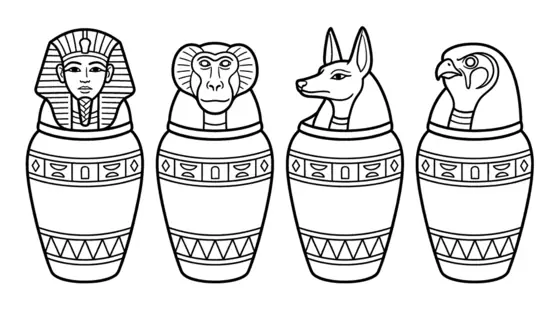
Years 3–4 · Ancient EgyptSheet 127
Egyptian Mummies and Canopic Jars
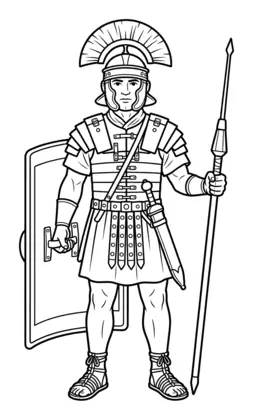
Years 3–4 · RomansSheet 167
Label a Roman Soldier
Educational quiz app · Ages 5-10
More learning in the Owee app
Owee turns topics like this into quizzes for children aged 5 to 10, and a treehouse grows as they learn. No ads, no chat, no strangers.
- Family-friendly
- No ads
- Private
Educational quiz app · Ages 5-10
More learning in the Owee app
Owee turns topics like this into quizzes for children aged 5 to 10, and a treehouse grows as they learn. No ads, no chat, no strangers.
Scan with your phone camera
- Family-friendly
- No ads
- Private