Educational quiz app · Ages 5-10
This is what learning looks like


Educational quiz app · Ages 5-10
This is what learning looks like
No nagging required. Keep the learning going after the worksheet, with every question read aloud and Owee guiding each step.
Scan with your phone camera
- Family-friendly
- No ads
- Private
History · Colouring and writing worksheet
Stone Age to Iron Age Timeline: Free KS2 History Worksheet
This free printable worksheet supports the KS2 history unit on changes in Britain from the Stone Age to the Iron Age. Children put the three ages of British prehistory in order and think about the tools that shaped daily life, building the sense of chronology that runs through KS2 history.
The sheet prints on a single A4 page and pairs a short colouring task with five questions. Use it as a recap after a lesson, a homework activity, or an introduction before a museum visit.
What your child is learning
‘changes in Britain from the Stone Age to the Iron Age’
Key stage 2 History: changes in Britain from the Stone Age to the Iron Age, National Curriculum in England. Source and licence

Stone Age to Iron Age Timeline
Free History worksheet · Ages 7 to 9
Activity 1
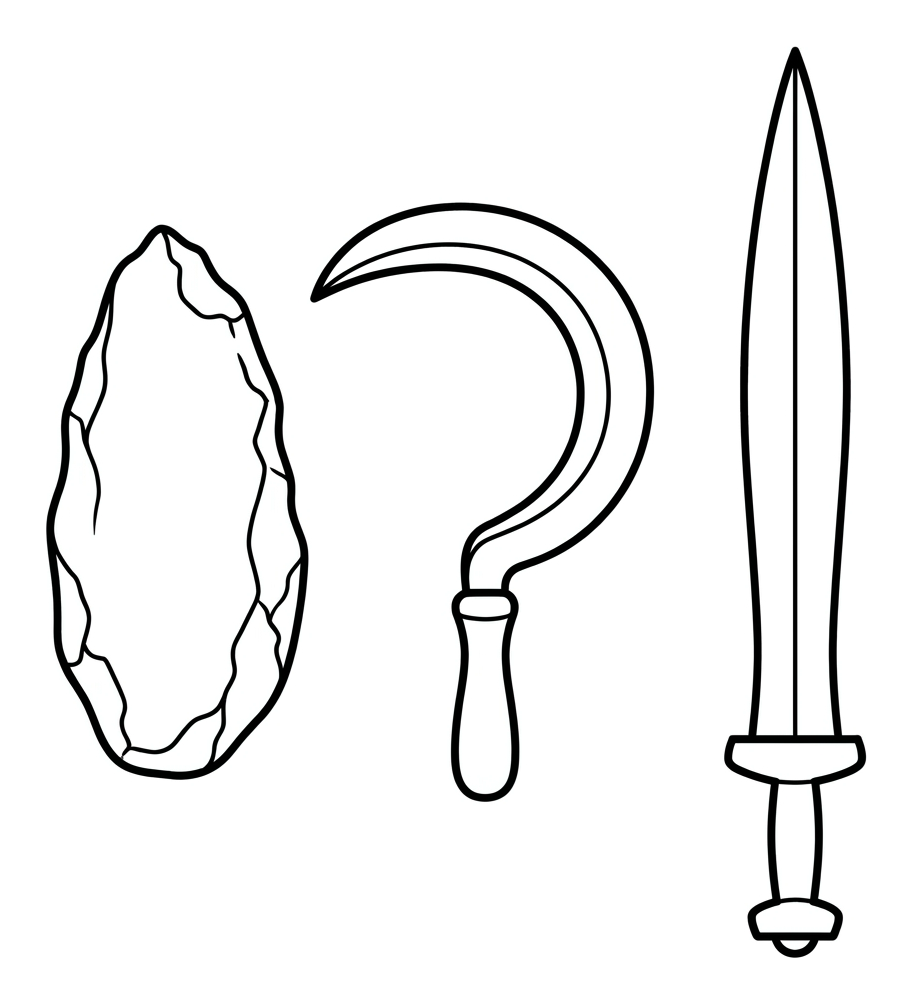
Colour the three prehistoric tools.
- Colour the stone hand-axe grey.
- Colour the bronze sickle golden-brown.
- Colour the iron sword dark grey.
Activity 2
Answer the questions. Use the word bank to help with spelling.
Write the three ages in order, earliest first.
Bronze is made by mixing two metals. Which two?
What job do you think the curved sickle was used for?
Iron is much easier to find than tin. Why did this help iron tools to spread?
Write one way life changed between the Stone Age and the Iron Age.
 Stone Age to Iron Age TimelineSheet 129
Answers: Stone Age to Iron Age Timeline
Sheet 129
- Write the three ages in order, earliest first. — Stone Age, Bronze Age, Iron Age
- Bronze is made by mixing two metals. Which two? — Copper and tin
- What job do you think the curved sickle was used for? — Cutting (harvesting) crops such as wheat
- Iron is much easier to find than tin. Why did this help iron tools to spread? — More iron tools could be made, so more people could have them.
- Write one way life changed between the Stone Age and the Iron Age. — Answers will vary, for example: people stopped only hunting and gathering and began farming, lived in roundhouses, and used stronger metal tools.
For grown-ups. Free worksheets and the Owee quiz app at owee.world
Answer key
- Write the three ages in order, earliest first. — Stone Age, Bronze Age, Iron Age
- Bronze is made by mixing two metals. Which two? — Copper and tin
- What job do you think the curved sickle was used for? — Cutting (harvesting) crops such as wheat
- Iron is much easier to find than tin. Why did this help iron tools to spread? — More iron tools could be made, so more people could have them.
- Write one way life changed between the Stone Age and the Iron Age. — Answers will vary, for example: people stopped only hunting and gathering and began farming, lived in roundhouses, and used stronger metal tools.
What the three ages of British prehistory are
British prehistory is usually divided into three broad periods, each named after the main material people used for their best tools and weapons. The Stone Age is the longest by far, beginning hundreds of thousands of years ago and itself split into the Old (Palaeolithic), Middle (Mesolithic) and New (Neolithic) Stone Ages. The Bronze Age in Britain began around 2300 BC, when people learned to mix copper and tin to make bronze. The Iron Age followed from roughly 800 BC and lasted until the Romans invaded in AD 43. Books give slightly different start dates, so do not worry if your child's school uses others. Each new material did not replace everything before it overnight, but it changed what was possible in farming, building and fighting.
Why chronology matters in KS2 history
A central aim of the KS2 history curriculum is for pupils to develop a 'chronologically secure knowledge and understanding of British, local and world history'. Putting the Stone, Bronze and Iron Ages in order is one of the first chances children get to place long periods of time in sequence and to use the language of time and change. A common misconception is that the three ages were about the same length: the Stone Age lasted hundreds of thousands of years, while the Bronze and Iron Ages together lasted less than 3,000 years. Drawing a long strip of paper with the Stone Age taking up almost all of it makes this easy to see.
How life changed across the periods
The move from stone to bronze to iron goes with a much bigger change in how people lived. Early Stone Age people were hunter-gatherers who followed animals and gathered wild plants. Farming reached Britain in the New Stone Age, around 4000 BC, and communities began clearing land, keeping animals and building monuments such as Stonehenge, begun around 3000 BC. Bronze tools, like the sickle on this sheet used to harvest crops, went with settled farming and long-distance trade, because tin and copper were found in only a few places. In the Iron Age, iron ore was easy to find, so tools became more common; people lived in roundhouses, and some communities built defended hillforts.
Getting the most from this worksheet at home or school
Before your child writes, read the three age names aloud and check they know which material gives each age its name. While they colour, ask them to look closely at the differences between a chipped stone edge, a curved bronze blade and a straight iron sword. The word bank helps with spelling so children can concentrate on the history. The last two questions ask your child to reason rather than recall, so accept any sensible answer that uses what they know. To extend the activity, talk about why this time is called prehistory: it is the time before people in Britain wrote things down, so everything we know comes from objects that archaeologists have found.
Frequently asked questions
What order do the Stone Age, Bronze Age and Iron Age go in?
They go Stone Age first, then Bronze Age, then Iron Age. The Stone Age is by far the longest period, the Bronze Age in Britain began around 2300 BC, and the Iron Age began around 800 BC, ending when the Romans invaded in AD 43.
What age group is this Stone Age to Iron Age worksheet for?
It is written for KS2 children aged 7 to 9, typically in Years 3 and 4, which is when this unit is most often taught. Older children needing a recap can also use it.
Is the worksheet free to print?
Yes. The worksheet is free to download and print. It fits on a single A4 page, with one line drawing to colour and five short questions.
Why are the ages named after Stone, Bronze and Iron?
Each age is named after the main material people used for their most important tools and weapons. Over time people moved from working stone, to making bronze by mixing copper and tin, to working iron, which could be made from ore found in many places.
How can I help my child learn the timeline?
Read the three age names in order together, then link each one to its tool: a stone hand-axe, a bronze sickle and an iron sword. Repeating the sequence aloud and discussing how homes, farming and tools changed helps children remember the order.
Curriculum links
- Key stage 2 History: changes in Britain from the Stone Age to the Iron Age (statutory): 'changes in Britain from the Stone Age to the Iron Age'
- KS2 History: 'develop a chronologically secure knowledge and understanding of British, local and world history, establishing clear narratives within and across the periods they study'
- KS2 History: 'note connections, contrasts and trends over time and develop the appropriate use of historical terms'
Quoted word for word from Department for Education documents: the National Curriculum in England, the EYFS framework or the RSHE guidance. Contains public sector information licensed under the Open Government Licence v3.0.
Made by The Owee education team. Updated 13/10/2026. Free to print and share.
More history worksheets
All Year 3 worksheets →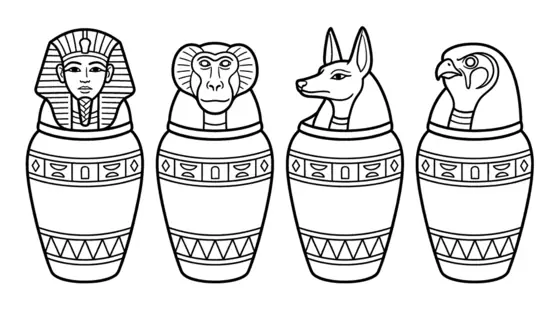
Years 3–4 · Ancient EgyptSheet 127
Egyptian Mummies and Canopic Jars
Years 3–4 · RomansSheet 167
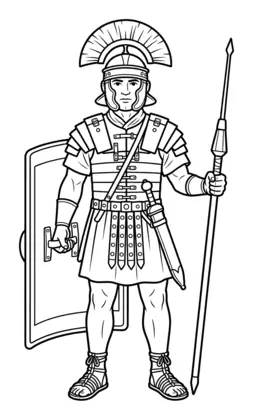
Label a Roman Soldier
Years 3–4 · Ancient EgyptSheet 128
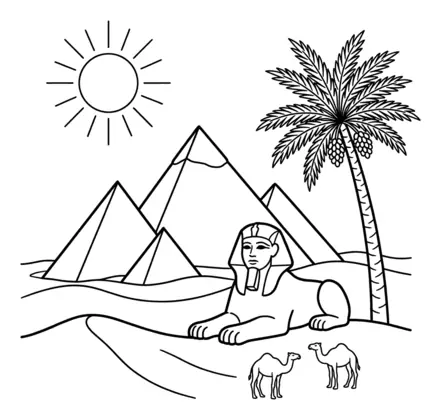
The Egyptian Pyramids
Years 1–2 · CastlesSheet 47
Parts of a Castle
Years 1–2 · Famous peopleSheet 94
The First Moon Landing
Years 1–2 · Great Fire of LondonSheet 95
The Great Fire of London
Educational quiz app · Ages 5-10
More learning in the Owee app
Owee turns topics like this into quizzes for children aged 5 to 10, and a treehouse grows as they learn. No ads, no chat, no strangers.
- Family-friendly
- No ads
- Private
Educational quiz app · Ages 5-10
More learning in the Owee app
Owee turns topics like this into quizzes for children aged 5 to 10, and a treehouse grows as they learn. No ads, no chat, no strangers.
Scan with your phone camera
- Family-friendly
- No ads
- Private