Educational quiz app · Ages 5-10
This is what learning looks like


Educational quiz app · Ages 5-10
This is what learning looks like
No nagging required. Keep the learning going after the worksheet, with every question read aloud and Owee guiding each step.
Scan with your phone camera
- Family-friendly
- No ads
- Private
History · Colouring and sorting worksheet
Toys Then and Now: Free KS1 History Worksheet
This free printable worksheet introduces Year 1 children to one of the most popular KS1 history topics: toys past and present. Children colour a group of classic toys, then tick the toys their grandparents could have played with when they were little. Along the way they begin to grasp that life has changed within living memory, the time their parents and grandparents can remember.
It prints on a single sheet of A4 and works at home, in a history lesson, or as part of a topic on old and new. You need only colouring pencils and a pencil.
What your child is learning
‘changes within living memory – where appropriate, these should be used to reveal aspects of change in national life’
Key stage 1 History: changes within living memory, National Curriculum in England. Source and licence
Toys Then and Now
Free History worksheet · Ages 5 to 6
Activity 1
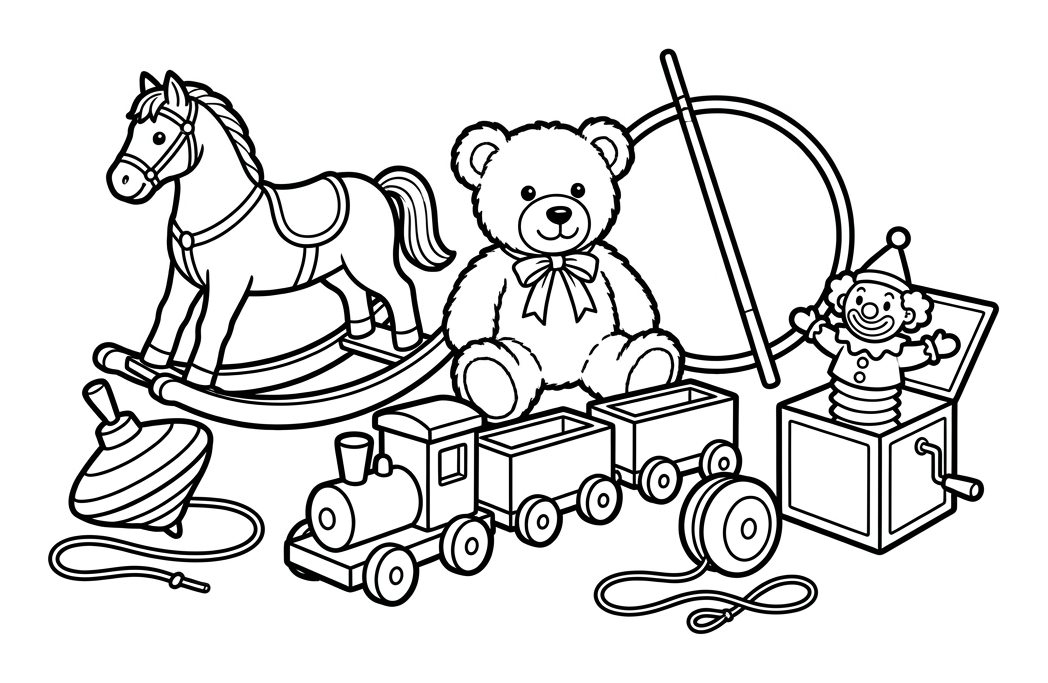
Colour all the toys. Children have played with toys like these for a very long time.
- Colour the teddy bear a warm brown.
- Colour the rocking horse and the wooden train in your favourite colours.
- Colour the spinning top, the hoop, the yo-yo and the jack-in-the-box.
Activity 2
Which toys could your grandparents have played with when they were little? Tick them.
- A wooden spinning top
- A rocking horse
- A hoop and stick
- A jack-in-the-box
- A tablet with games on a screen
- A toy robot you control with a phone app
 Toys Then and NowSheet 48
Answers: Toys Then and Now
Sheet 48
- A wooden spinning top — tick
- A rocking horse — tick
- A hoop and stick — tick
- A jack-in-the-box — tick
- A tablet with games on a screen — no tick
- A toy robot you control with a phone app — no tick
For grown-ups. Free worksheets and the Owee quiz app at owee.world
Answer key
- A wooden spinning top — tick
- A rocking horse — tick
- A hoop and stick — tick
- A jack-in-the-box — tick
- A tablet with games on a screen — no tick
- A toy robot you control with a phone app — no tick
Why toys make a good first history topic
For children in Year 1, history means most when it connects to their own lives. Every child knows about toys, which makes them a natural way into the idea of the past. Comparing old and new toys is one of the most common ways schools teach the National Curriculum topic of changes within living memory. By comparing a wooden spinning top or a rocking horse with the screen-based and app-controlled toys many children have today, children start to notice that things have not always been the same, and that the toys their grandparents played with often looked and worked very differently.
Building the language of time
A key goal at KS1 is helping children use the everyday words of time accurately. This worksheet encourages phrases such as 'long ago', 'in the past', 'now', 'today', 'old' and 'new'. As you work through the sheet, use these words aloud and talk about who might have played with each toy. All seven toys in the picture are still made today, so it is worth pointing out that some toys belong to both 'then' and 'now'. Some are very old indeed: children played with spinning tops and hoops thousands of years ago, while the teddy bear is a newer toy, first made in the early 1900s and named after the American president Theodore 'Teddy' Roosevelt.
Talking about old and new toys at home
This activity works best when it is linked to real objects and family memories. Ask older relatives what they played with as children, look at family photographs, or compare a simple wooden toy with a modern electronic one. Useful questions include: What is this toy made of? How do you make it work? Does it need batteries or charging? Who do you think might have played with it? A common misconception at this age is that everything in the past was black and white, because old photographs are; looking at a brightly painted old toy helps to correct it.
How to use this worksheet
First, invite your child to colour the toys; this builds familiarity with each object, and you can name any they do not recognise, such as the hoop and stick or the jack-in-the-box. Then read the tick task together. Your child ticks the toys that their grandparents could have played with when they were little. The first four (the spinning top, rocking horse, hoop and stick, and jack-in-the-box) should be ticked; tablets and app-controlled toys did not exist then. Ask your child to explain each choice, as the reasoning matters more than the tick. For an extra challenge, ask them to draw one of their own toys on the back and say whether a grandparent could have had one.
Frequently asked questions
What age is the Toys Then and Now worksheet for?
It is aimed at children aged 5 to 6, which is Year 1 in England. It suits the KS1 history topic on toys past and present and can be used at home or in school.
How does this link to the KS1 history curriculum?
It supports the National Curriculum topic of 'changes within living memory'. Comparing old and new toys is a common Year 1 way of introducing this idea and of building the everyday vocabulary of time, such as 'long ago' and 'today'.
What are some examples of old toys to talk about?
Classic toys include wooden spinning tops, rocking horses, teddy bears, wooden push-along trains, hoops with a stick, yo-yos and jack-in-the-boxes. Many of these are still made today, which is a good talking point about how some toys belong to both the past and the present.
Is the worksheet free to print?
Yes. It is free to download and print. It fits on a single sheet of A4 and needs only colouring pencils and a pencil.
How can I extend the activity at home?
Ask older relatives what they played with as children, look at family photos, or compare a simple wooden toy with a modern electronic one. Talking about how each toy is made and whether it needs batteries or charging deepens the sense of change over time.
Curriculum links
- Key stage 1 History: changes within living memory (statutory): 'changes within living memory – where appropriate, these should be used to reveal aspects of change in national life'
- KS1 History: 'identify similarities and differences between ways of life in different periods'
Quoted word for word from Department for Education documents: the National Curriculum in England, the EYFS framework or the RSHE guidance. Contains public sector information licensed under the Open Government Licence v3.0.
Made by The Owee education team. Updated 13/10/2026. Free to print and share.
More history worksheets
All Year 1 worksheets →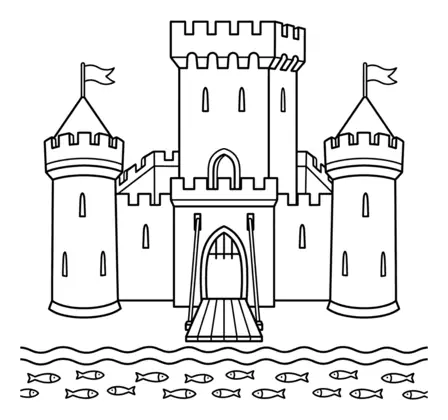
Years 1–2 · CastlesSheet 47
Parts of a Castle
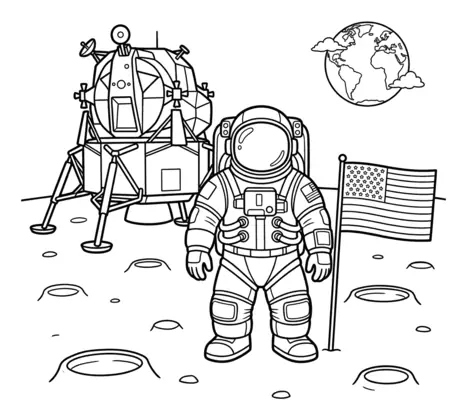
Years 1–2 · Famous peopleSheet 94
The First Moon Landing
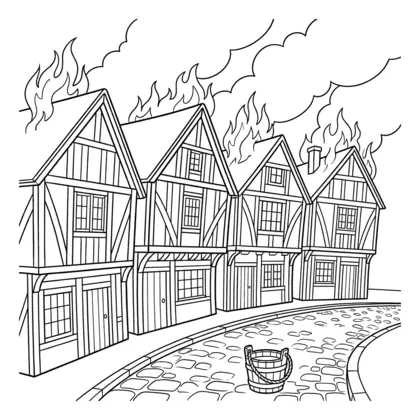
Years 1–2 · Great Fire of LondonSheet 95
The Great Fire of London

Years 1–2 · TransportSheet 49
Transport Through Time
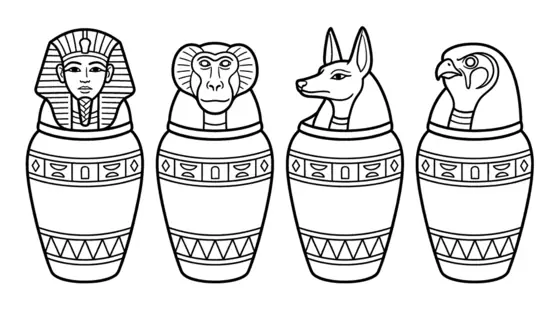
Years 3–4 · Ancient EgyptSheet 127
Egyptian Mummies and Canopic Jars
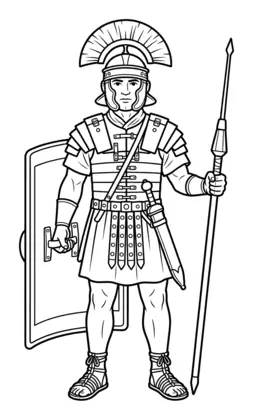
Years 3–4 · RomansSheet 167
Label a Roman Soldier
Educational quiz app · Ages 5-10
More learning in the Owee app
Owee turns topics like this into quizzes for children aged 5 to 10, and a treehouse grows as they learn. No ads, no chat, no strangers.
- Family-friendly
- No ads
- Private
Educational quiz app · Ages 5-10
More learning in the Owee app
Owee turns topics like this into quizzes for children aged 5 to 10, and a treehouse grows as they learn. No ads, no chat, no strangers.
Scan with your phone camera
- Family-friendly
- No ads
- Private