Educational quiz app · Ages 5-10
This is what learning looks like


Educational quiz app · Ages 5-10
This is what learning looks like
No nagging required. Keep the learning going after the worksheet, with every question read aloud and Owee guiding each step.
Scan with your phone camera
- Family-friendly
- No ads
- Private
Geography · Colouring and naming worksheet
Weather Symbols Worksheet (Free KS1 Geography Printable)
Weather is one of the first topics children explore in Key Stage 1 geography, and a good place to start, because children can see it happening from the window every day. This free printable introduces six common weather symbols: sun, cloud, rain, snow, wind and storm. They are the same kinds of pictures children will spot on a television or phone forecast.
The worksheet prints on one A4 page. Children write the name of each numbered symbol using a word bank, answer two short questions about the weather, then colour the symbols. It works as a guided classroom task, a quiet home activity or a warm-up before a daily weather chat.
What your child is learning
‘identify seasonal and daily weather patterns in the United Kingdom’
Key stage 1 Geography: Human and physical geography, National Curriculum in England. Source and licence

Weather Symbols
Free Geography worksheet · Ages 5 to 7
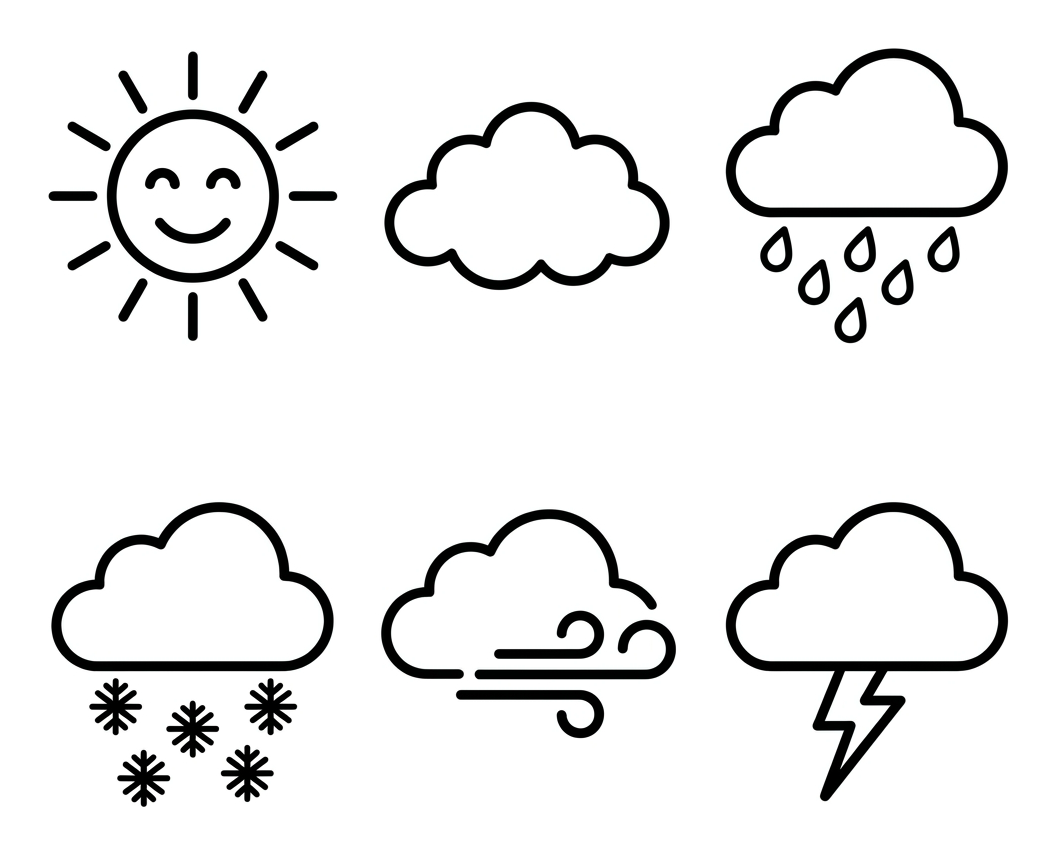
Name the weather
Write the weather word for each numbered symbol. Use the word bank.
- 1
- 2
- 3
- 4
- 5
- 6
Weather questions
Answer each question.
Look out of the window. Which symbol matches the weather today?
Which weather only happens when it is very cold?
Colour the symbols
Colour the sun yellow, the clouds grey, the raindrops blue and the lightning bolt yellow.
 Weather SymbolsSheet 46
Answers: Weather Symbols
Sheet 46
- 1. sun
- 2. cloud
- 3. rain
- 4. snow
- 5. wind
- 6. storm
- Look out of the window. Which symbol matches the weather today? — Answers will vary
- Which weather only happens when it is very cold? — snow
For grown-ups. Free worksheets and the Owee quiz app at owee.world
Answer key
- 1. sun
- 2. cloud
- 3. rain
- 4. snow
- 5. wind
- 6. storm
- Look out of the window. Which symbol matches the weather today? — Answers will vary
- Which weather only happens when it is very cold? — snow
Why weather symbols matter in KS1 Geography
In Reception and Key Stage 1, children begin to notice that the weather changes from day to day and across the seasons. Naming the weather is a small but important step towards understanding the wider world: it links what a child feels outdoors with the way weather is recorded and shared. Weather symbols are also one of a child's first meetings with the idea that a simple picture can stand for something real: a cloud with raindrops means rain. Reading these symbols supports early reading too, because children work out meaning from pictures before they can read longer text.
The six symbols on this worksheet
This printable focuses on six everyday symbols. The sun stands for clear, bright weather; a plain cloud shows a cloudy sky; a cloud with raindrops means rain; a cloud with snowflakes means snow; a cloud with wind lines shows a windy day; and a cloud with a lightning bolt shows a storm with thunder and lightning. These six cover the weather a child in the UK is most likely to see across the year, and they look like the symbols used on TV and online forecasts, so children can use what they learn straight away.
How to use the worksheet at home or in class
Begin by looking out of the window together and asking what the weather is doing today, then find the matching symbol on the sheet. Children write the weather word for each numbered symbol, using the word bank, then answer the two questions. One asks them to match a symbol to today's weather, so there is no single right answer. Finally they colour the symbols. To extend the activity, keep the finished sheet by a window for a week and ask your child each morning to point to the symbol that matches the real weather. Doing this over several days is exactly the kind of observation the curriculum has in mind.
Linking weather to seasons and daily patterns
Weather symbols lead naturally to the KS1 idea of seasonal and daily weather patterns. Once children can name the symbols, they can begin to notice that snow is much more likely in winter than in summer, that the UK has plenty of rain and cloud all through the year, and that the weather can change several times in one day. A common mix-up is thinking that sunny always means warm: a bright winter morning can be very cold. A simple weather diary, drawing the right symbol each morning, turns this worksheet into an ongoing project that builds observation and recording skills.
Frequently asked questions
What weather symbols should a Year 1 child know?
At KS1, children are generally expected to recognise and name everyday weather such as sun, cloud, rain, snow, wind and storm. This worksheet covers those six, drawn in a simple style like the symbols on real forecasts, so children can spot them in everyday life.
Is this weather symbols worksheet free to print?
Yes. The worksheet is free to download and print. It is designed to fit on one A4 page, so you can print it at home or in the classroom.
What age group is this worksheet for?
It is aimed at children aged 5 to 7, which covers Years 1 and 2 in Key Stage 1. Younger children in Reception can also enjoy the colouring with an adult naming the symbols for them.
How does this link to the KS1 Geography curriculum?
It supports the National Curriculum objective to identify seasonal and daily weather patterns in the United Kingdom, and the use of basic geographical vocabulary including season and weather. Naming the symbols is a first step towards observing and recording the weather over time.
How can I extend this activity after colouring?
Keep the sheet by a window and ask your child to point to the symbol that matches each day's weather for a week. You can also start a simple weather diary, drawing the right symbol each morning, which builds the observation and recording skills the curriculum encourages.
Curriculum links
- Key stage 1 Geography: Human and physical geography (statutory): 'identify seasonal and daily weather patterns in the United Kingdom'
Quoted word for word from Department for Education documents: the National Curriculum in England, the EYFS framework or the RSHE guidance. Contains public sector information licensed under the Open Government Licence v3.0.
Made by The Owee education team. Updated 13/10/2026. Free to print and share.
More geography worksheets
All Year 1 Geography worksheets →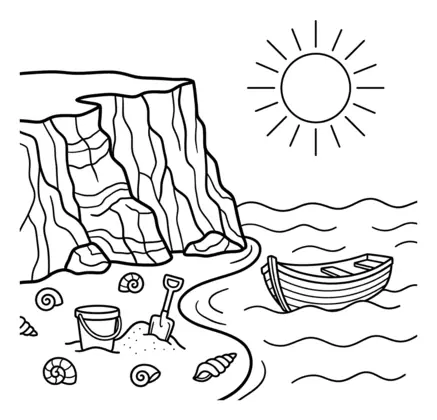
Reception–Year 1 · Seaside and coastsSheet 43
At the Seaside: Land and Sea
Reception–Year 1 · The UKSheet 44
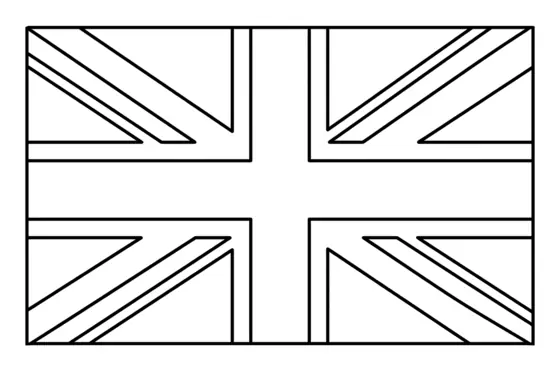
Colour the Union Flag

Years 1–2 · Map skillsSheet 89
Compass Directions: North, East, South, West
Years 1–2 · The UKSheet 92
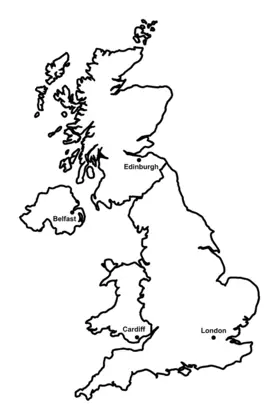
Countries and Capitals of the UK

Reception–Year 1 · Festivals and celebrationsSheet 7
Festivals Around the World
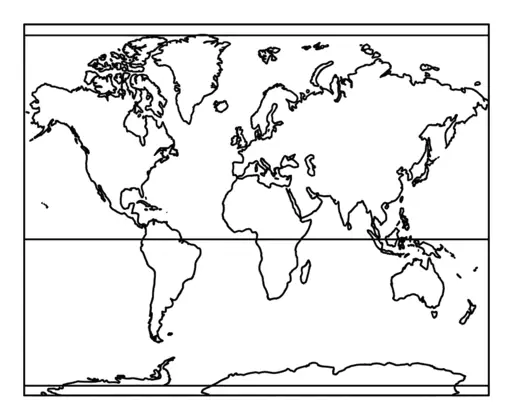
Years 1–2 · Hot and cold placesSheet 88
Hot and Cold Places of the World
Educational quiz app · Ages 5-10
More learning in the Owee app
Owee turns topics like this into quizzes for children aged 5 to 10, and a treehouse grows as they learn. No ads, no chat, no strangers.
- Family-friendly
- No ads
- Private
Educational quiz app · Ages 5-10
More learning in the Owee app
Owee turns topics like this into quizzes for children aged 5 to 10, and a treehouse grows as they learn. No ads, no chat, no strangers.
Scan with your phone camera
- Family-friendly
- No ads
- Private