Educational quiz app · Ages 5-10
This is what learning looks like


Educational quiz app · Ages 5-10
This is what learning looks like
No nagging required. Keep the learning going after the worksheet, with every question read aloud and Owee guiding each step.
Scan with your phone camera
- Family-friendly
- No ads
- Private
Geography · Labelling and colouring worksheet
The Water Cycle: Free KS2 Geography Worksheet
The water cycle is a key topic in Key Stage 2 physical geography, and it fits well on a one-page printable. This free worksheet asks children aged 7 to 9 to label the four stages, evaporation, condensation, precipitation and collection, on a picture of the sea, the sky and the land, then answer three short questions about how water keeps moving between them.
Children finish by colouring the scene. The page prints on one sheet of A4, so it works as a classroom starter, a homework task or a rainy-afternoon activity at home.
What your child is learning
‘physical geography, including: climate zones, biomes and vegetation belts, rivers, mountains, volcanoes and earthquakes, and the water cycle’
Key stage 2 Geography: Human and physical geography, National Curriculum in England. Source and licence
The Water Cycle (Geography)
Free Geography worksheet · Ages 7 to 9
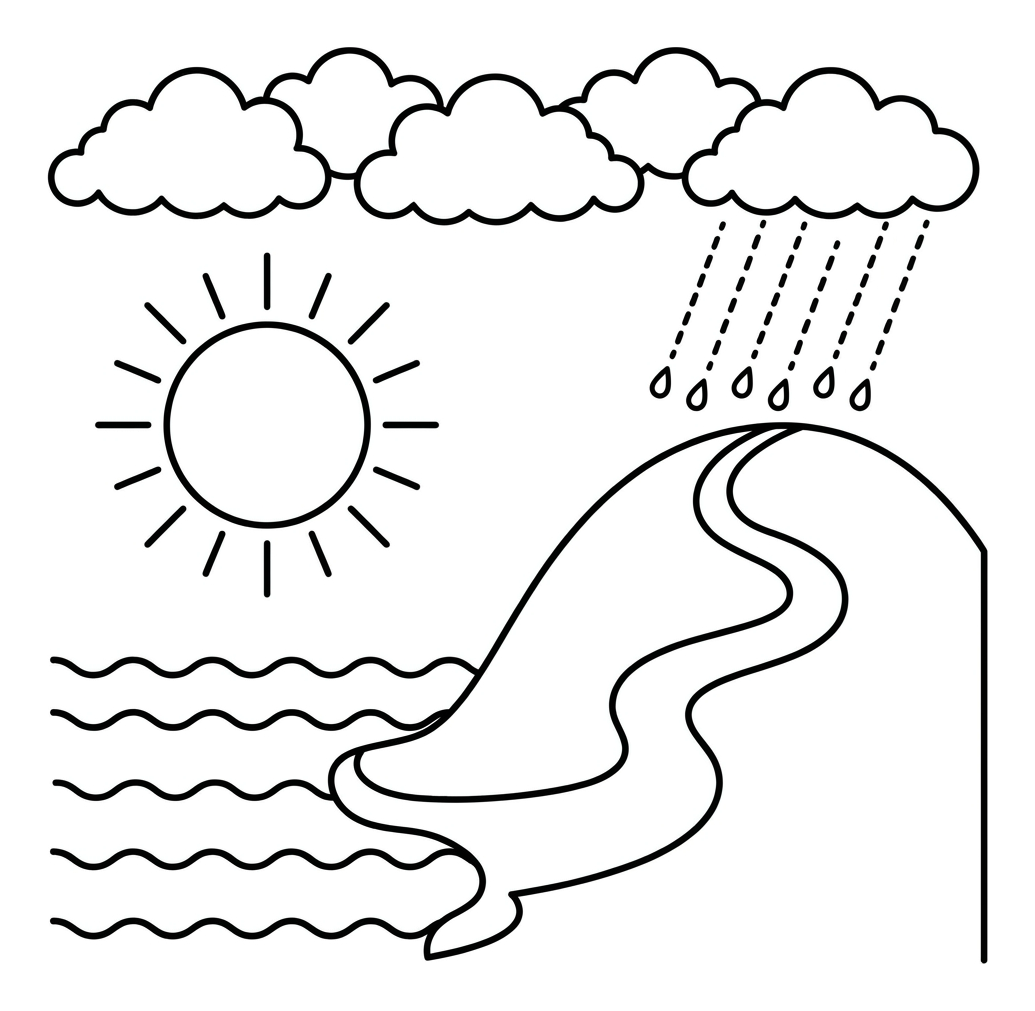
Label the water cycle
Write the name of each numbered stage. Use the word bank. Start with number 1, where the sun warms the sea.
- 1
- 2
- 3
- 4
Water cycle questions
Answer each question.
What is the invisible gas that water turns into when it evaporates?
Rain is one kind of precipitation. Name one other kind.
Why do we call it a cycle?
Colour the scene
Colour the sea and the river blue, the sun yellow, the rain cloud grey and the hill green.
 The Water Cycle (Geography)Sheet 166
Answers: The Water Cycle (Geography)
Sheet 166
- 1. evaporation
- 2. condensation
- 3. precipitation
- 4. collection
- What is the invisible gas that water turns into when it evaporates? — water vapour
- Rain is one kind of precipitation. Name one other kind. — snow, sleet or hail
- Why do we call it a cycle? — The same water goes round and round, again and again. The journey never stops.
For grown-ups. Free worksheets and the Owee quiz app at owee.world
Answer key
- 1. evaporation
- 2. condensation
- 3. precipitation
- 4. collection
- What is the invisible gas that water turns into when it evaporates? — water vapour
- Rain is one kind of precipitation. Name one other kind. — snow, sleet or hail
- Why do we call it a cycle? — The same water goes round and round, again and again. The journey never stops.
What children learn from this worksheet
This printable helps children describe the water cycle as one continuous journey rather than a list of separate facts. They label the four key processes, evaporation, condensation, precipitation and collection, at the place in the picture where each one happens. Evaporation turns liquid water from the sea (and from rivers, lakes and puddles) into invisible water vapour, which rises into the sky. Condensation happens when that vapour cools and turns into tiny droplets, which gather to form clouds. Precipitation is water falling from the clouds as rain, sleet, snow or hail. Collection is water gathering in rivers, lakes and the sea, or soaking into the ground, before the cycle carries on. By the end, children should be able to use these words and say the stages in order.
How to use the worksheet at home or in class
Start by talking about the picture before any writing happens. Ask your child to point to the sea, the sun, the clouds, the rain and the river, and to say what they think is happening at each place. Then they write the name of each numbered stage on the matching line, choosing from the word bank. The numbers follow the order of the cycle, starting with the sun warming the sea, so you can trace the loop with a finger as you go. Next come three short questions, including why we call it a cycle. Finish with the colouring. As an extension, ask your child to retell the cycle aloud in their own words, using the four stages in the right order.
Common misconceptions to gently correct
Several misunderstandings about the water cycle are very common at this age. Children often believe that clouds are made of water vapour. In fact water vapour is invisible: clouds are made of tiny drops of liquid water (or ice) that form when the vapour cools. Many children also think rain comes from a separate store of water, rather than the same water being used again and again. It helps to say that the water falling as rain today may once have been in the sea, a river or even a cup of tea. Finally, some children imagine the cycle has a start and an end. Tracing the loop on the picture, round and round, helps them see that it never stops.
Linking the topic to the wider KS2 curriculum
The water cycle connects to other parts of Key Stage 2. In geography, it links to rivers, coasts and weather. In science, it is part of the Year 4 unit on states of matter, where children learn about evaporation and condensation and how heating and cooling change water between solid, liquid and gas. A simple kitchen demonstration helps: an adult heats a pan of water and holds a cold lid above it. The steam rising shows evaporation, and the drops forming on the cold lid show condensation. Keep children well back from the steam, which is hot enough to scald.
Frequently asked questions
What are the four stages of the water cycle for KS2?
The four stages taught at Key Stage 2 are evaporation, condensation, precipitation and collection. Evaporation lifts water from the sea and land into the sky as vapour; condensation forms clouds; precipitation falls as rain or snow; and collection returns the water to rivers and the sea, where the cycle starts again.
What age or year group is this water cycle worksheet for?
It is aimed at children aged 7 to 9, which covers Years 3 and 4 in Key Stage 2. The water cycle appears in the KS2 physical geography curriculum and again in the Year 4 science unit on states of matter, so the sheet suits both subjects.
Is this water cycle worksheet free to print?
Yes. The worksheet is free to view, download and print. It is designed to fit onto a single sheet of A4 in black and white, so it is ready to use straight away.
How can I explain the water cycle simply to a child?
Describe it as a never-ending journey for the same water. The sun warms the sea so water rises into the sky as invisible vapour (evaporation); high up it cools and forms clouds (condensation); the clouds drop rain (precipitation); and the rain flows down rivers back to the sea (collection), ready to begin again.
What is the difference between evaporation and condensation?
Evaporation is when liquid water is warmed and turns into invisible water vapour that rises into the air. Condensation is the opposite: when that vapour cools, it turns back into tiny liquid droplets that gather to make clouds. Both are part of the Year 4 science states-of-matter topic.
Curriculum links
- Key stage 2 Geography: Human and physical geography (statutory): 'physical geography, including: climate zones, biomes and vegetation belts, rivers, mountains, volcanoes and earthquakes, and the water cycle'
- KS2 Science (Year 4), States of matter: 'identify the part played by evaporation and condensation in the water cycle and associate the rate of evaporation with temperature'
- KS2 Science (Year 4), States of matter: 'observe that some materials change state when they are heated or cooled'
Quoted word for word from Department for Education documents: the National Curriculum in England, the EYFS framework or the RSHE guidance. Contains public sector information licensed under the Open Government Licence v3.0.
Made by The Owee education team. Updated 13/10/2026. Free to print and share.
More geography worksheets
All Year 4 Geography worksheets →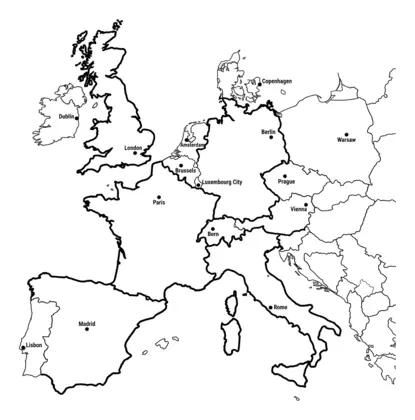
Years 4–5 · EuropeSheet 161
Countries and Capitals of Europe
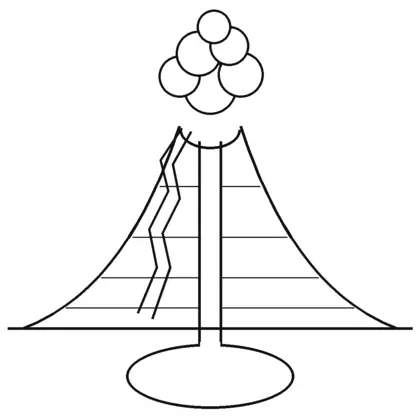
Years 3–4 · Volcanoes and earthquakesSheet 164
Inside a Volcano
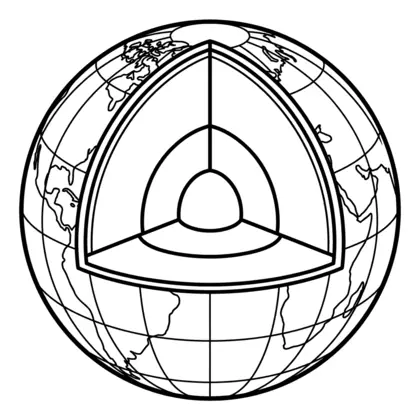
Years 3–4 · Volcanoes and earthquakesSheet 165
Layers of the Earth
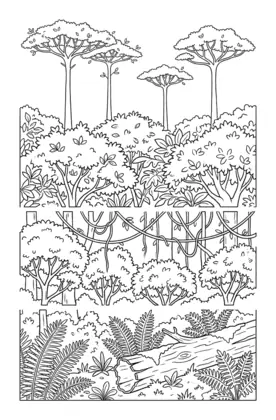
Years 3–4 · RainforestsSheet 163
Layers of the Rainforest
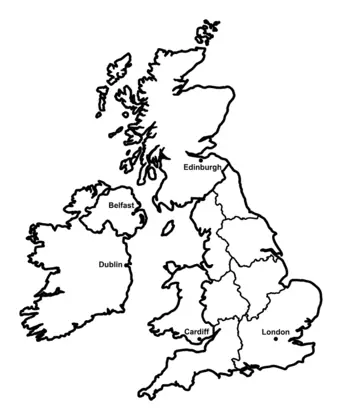
Years 2–3 · The UKSheet 93
Map of the United Kingdom
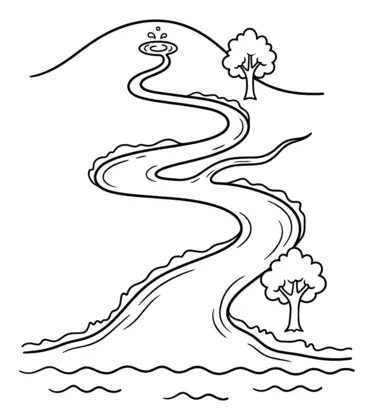
Years 3–4 · RiversSheet 125
Parts of a River
Educational quiz app · Ages 5-10
More learning in the Owee app
Owee turns topics like this into quizzes for children aged 5 to 10, and a treehouse grows as they learn. No ads, no chat, no strangers.
- Family-friendly
- No ads
- Private
Educational quiz app · Ages 5-10
More learning in the Owee app
Owee turns topics like this into quizzes for children aged 5 to 10, and a treehouse grows as they learn. No ads, no chat, no strangers.
Scan with your phone camera
- Family-friendly
- No ads
- Private