Educational quiz app · Ages 5-10
This is what learning looks like


Educational quiz app · Ages 5-10
This is what learning looks like
No nagging required. Keep the learning going after the worksheet, with every question read aloud and Owee guiding each step.
Scan with your phone camera
- Family-friendly
- No ads
- Private
Art · Colouring and ticking worksheet
Warm and Cool Colours Worksheet (Free KS2 Art Printable)
Warm and cool colours are one of the first ideas children explore when they begin to think about colour as an artist rather than just naming a favourite shade. This free printable introduces the two colour families through sorting, colouring and a short discussion of mood, giving Year 3 and Year 4 children a clear, hands-on way to build their colour knowledge.
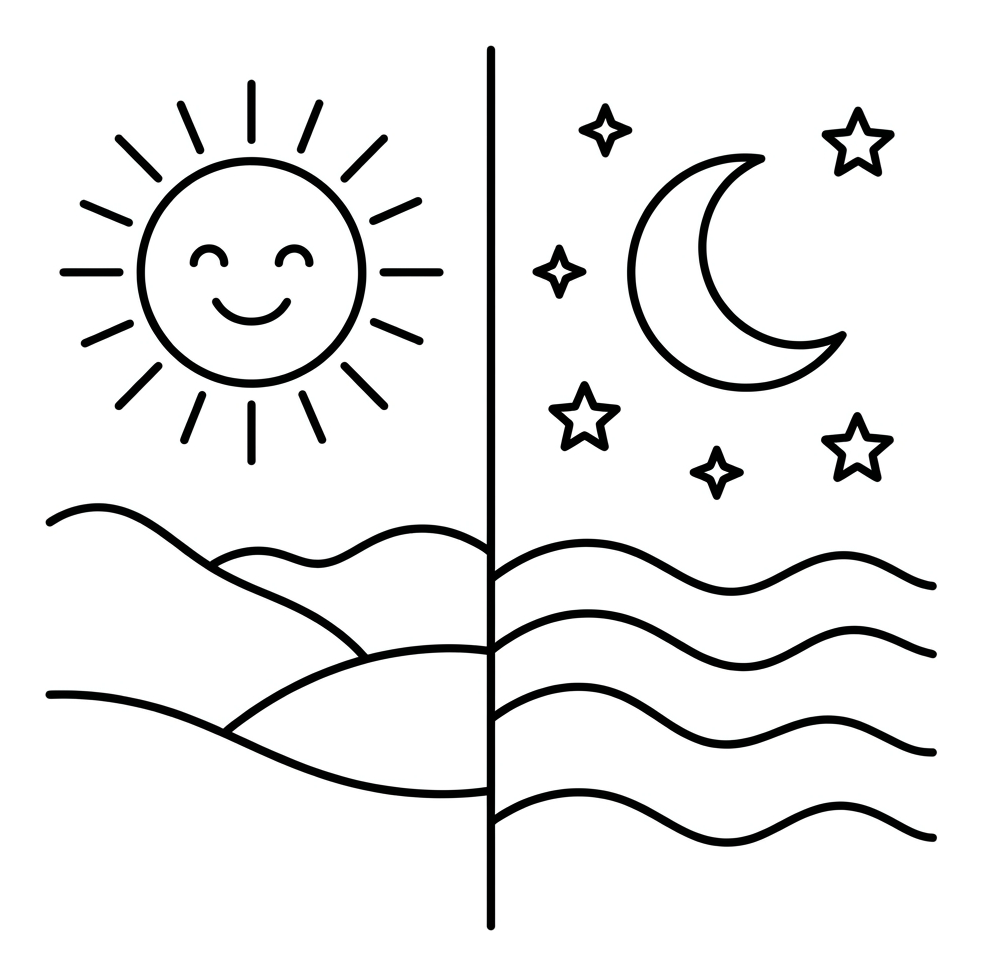
The sheet prints to a single A4 page. It pairs a split sun-and-moon scene to colour with a quick tick activity, so children can apply the warm and cool groups straight away and start to notice how colour makes a picture feel calm or lively.
What your child is learning
‘to improve their mastery of art and design techniques, including drawing, painting and sculpture with a range of materials [for example, pencil, charcoal, paint, clay]’
Key stage 2 Art and design, National Curriculum in England. Source and licence
Warm and Cool Colours
Free Art worksheet · Ages 7 to 9
Sort the colours
Tick the box next to each colour that is a WARM colour. Warm colours remind us of sunshine and fire.
- Red
- Blue
- Orange
- Green
- Yellow
- Purple
Colour the day and night scene
Use warm colours on the sunny half and cool colours on the moonlit half. Then tell a grown-up which half feels calm and which feels lively.
- Colour the sun and its rays with warm colours
- Colour the hills with warm colours
- Colour the moon and stars with cool colours
- Colour the waves with cool colours
 Warm and Cool ColoursSheet 130
Answers: Warm and Cool Colours
Sheet 130
- Red — warm – tick
- Blue — cool – no tick
- Orange — warm – tick
- Green — cool – no tick
- Yellow — warm – tick
- Purple — cool – no tick
For grown-ups. Free worksheets and the Owee quiz app at owee.world
Answer key
- Red — warm – tick
- Blue — cool – no tick
- Orange — warm – tick
- Green — cool – no tick
- Yellow — warm – tick
- Purple — cool – no tick
What are warm and cool colours?
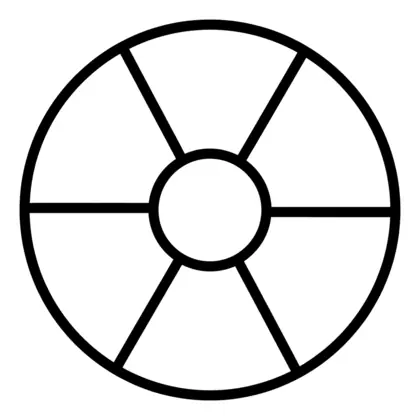
Artists often sort colours into two broad families. Warm colours — reds, oranges and yellows — are linked with sunlight, fire and energy. Cool colours — blues, greens and purples — are linked with water, sky, shade and calm. The idea comes from the colour wheel: if you imagine a line drawn across it, the colours on one side feel warm and those on the other feel cool. This worksheet keeps to the six colours found in most pencil sets. Once children are sure of those, show them that one colour can have warmer and cooler versions: a lemon yellow with a hint of green looks cooler than a golden yellow, and a purple with more red in it looks warmer than a bluish one.
Choosing colours on purpose
The scene is already split into a warm half and a cool half, so children have a reason to choose each colour rather than reaching for any pencil. As they colour the sunny hills in reds, oranges and yellows and the moonlit waves in blues, greens and purples, they practise choosing colours on purpose, which is part of improving their art and design techniques at Key Stage 2. Seeing both halves on one page makes the two families easy to compare. A useful tip: ask children to layer two colours from the same family, such as yellow then orange on the hills, to see how the colours blend.
Talking about colour and mood
Once the colouring is finished, the picture becomes a talking point. Ask which half looks like daytime and which looks like night-time, and which side feels lively, hot or cheerful compared with calm, cool or quiet. There are no wrong answers here: the aim is for children to put into words how colour choices change the feeling of an image. Linking colour to mood prepares them for later work on how artists use colour expressively, and it deepens the language they use when they talk about their own and others' work.
Using this sheet at home or in class
At home, the sheet makes a quiet, screen-free art activity with a clear learning purpose. In class, it suits a starter or plenary in a colour unit, or an early-finisher task. You might extend it by asking children to find warm and cool colours in a painting, in the room around them, or in the natural world — sunsets, autumn leaves, ponds and winter skies are all rich examples. Keeping a colour wheel nearby helps children check their sorting and see where the two families sit.
Frequently asked questions
What are warm and cool colours for KS2?
Warm colours are reds, oranges and yellows, which remind us of sunshine and fire. Cool colours are blues, greens and purples, which remind us of water, sky and shade. At Key Stage 2 children learn to sort colours into these two families and to notice that warm colours often feel lively while cool colours feel calm.
Is this warm and cool colours worksheet free to print?
Yes. The worksheet is completely free to download and print. It is designed to fit a single A4 page, so you can print it at home or in school without any special setup or subscription.
What age is this colours worksheet for?
It is aimed at children aged 7 to 9, which covers Year 3 and Year 4 in Key Stage 2. Younger children who enjoy colouring can still complete the picture with a little help, and older children can use it as a quick recap.
How do warm and cool colours affect mood in a picture?
Warm colours tend to make a picture feel bright, energetic or cheerful, like a sunny day. Cool colours tend to make it feel calm, quiet or restful, like a night sky or still water. Asking children how each half of the scene makes them feel is a good way to explore this idea.
Which colours are warm and which are cool?
The three warm colours used on this sheet are red, orange and yellow. The three cool colours are blue, green and purple. These six are the easiest groups to start with because they appear in most children's pencil and felt-tip sets.
Curriculum links
- Key stage 2 Art and design (statutory): 'to improve their mastery of art and design techniques, including drawing, painting and sculpture with a range of materials [for example, pencil, charcoal, paint, clay]'
Quoted word for word from Department for Education documents: the National Curriculum in England, the EYFS framework or the RSHE guidance. Contains public sector information licensed under the Open Government Licence v3.0.
Made by The Owee education team. Updated 13/10/2026. Free to print and share.
Educational quiz app · Ages 5-10
More learning in the Owee app
Owee turns topics like this into quizzes for children aged 5 to 10, and a treehouse grows as they learn. No ads, no chat, no strangers.
- Family-friendly
- No ads
- Private
Educational quiz app · Ages 5-10
More learning in the Owee app
Owee turns topics like this into quizzes for children aged 5 to 10, and a treehouse grows as they learn. No ads, no chat, no strangers.
Scan with your phone camera
- Family-friendly
- No ads
- Private