Educational quiz app · Ages 5-10
This is what learning looks like


Educational quiz app · Ages 5-10
This is what learning looks like
No nagging required. Keep the learning going after the worksheet, with every question read aloud and Owee guiding each step.
Scan with your phone camera
- Family-friendly
- No ads
- Private
Geography · Colouring and labelling worksheet
The 7 Continents Map: Free KS1 Geography Worksheet
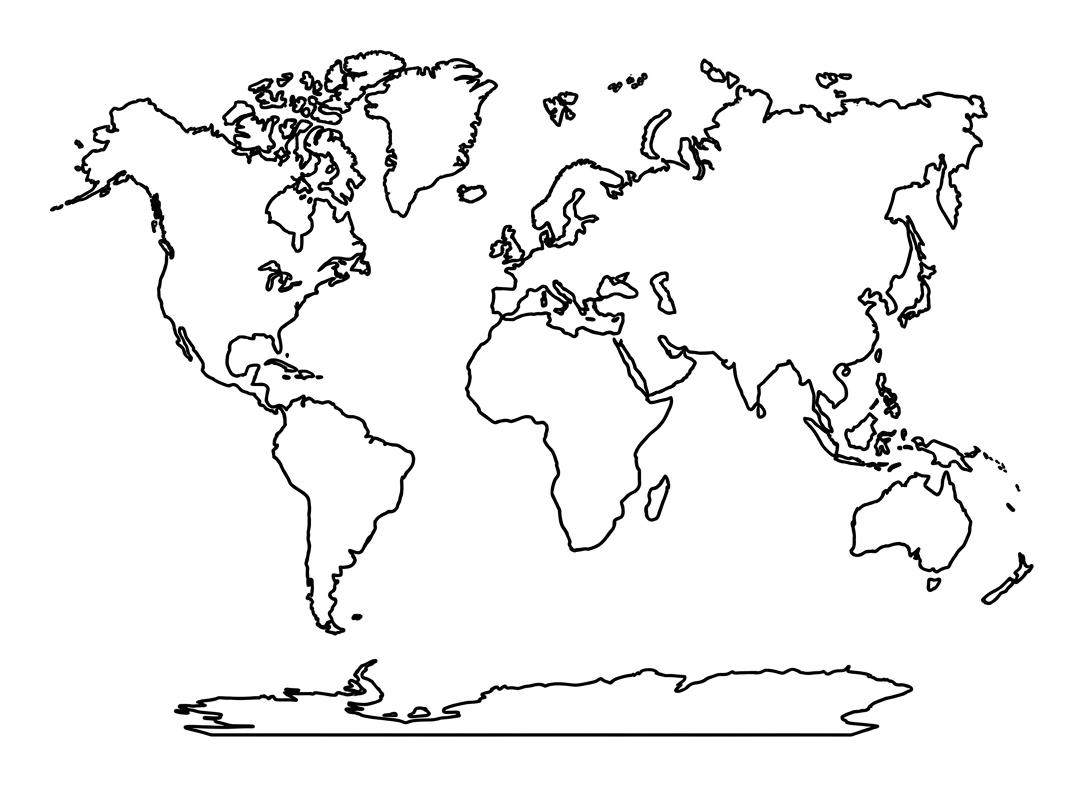
This free printable introduces children aged 5 to 7 to the seven continents through colouring and naming. It covers the KS1 Geography aim to name and locate the continents. Each continent has a number on the map, and the child writes its name from the word bank, then colours the map.
Designed for one A4 page, it suits a Year 1 or Year 2 lesson or a quiet afternoon at home. The map shows the real shapes of the land, so it also gives children their first look at what the world really looks like from above.
What your child is learning
‘name and locate the world’s 7 continents and 5 oceans’
Key stage 1 Geography: Locational knowledge, National Curriculum in England. Source and licence
The 7 Continents Map
Free Geography worksheet · Ages 5 to 7
Name the continents
Write the name of the continent for each number. Use the word bank.
- 1
- 2
- 3
- 4
- 5
- 6
- 7
Colour the map
Colour each continent a different colour. Colour the sea blue.
- Colour Europe red. The UK is in Europe.
- Colour Antarctica, the coldest continent, light grey.
 The 7 Continents MapSheet 42
Answers: The 7 Continents Map
Sheet 42
- 1. Africa
- 2. Europe
- 3. Asia
- 4. North America
- 5. Antarctica
- 6. South America
- 7. Oceania (or Australia)
For grown-ups. Free worksheets and the Owee quiz app at owee.world
Answer key
- 1. Africa
- 2. Europe
- 3. Asia
- 4. North America
- 5. Antarctica
- 6. South America
- 7. Oceania (or Australia)
What your child will learn
By the end of this worksheet, a child should be able to recognise that the world is divided into seven large landmasses called continents, and begin to name them: Africa, Antarctica, Asia, Europe, North America, Oceania (or Australia) and South America. Labelling each one by number teaches children where each continent is, not just its name. Watch for one common mix-up: on a real map, some continents join up. Europe and Asia are one piece of land with no line between them on this map, and North and South America meet in a thin strip. Show your child roughly where Europe ends, or draw a light pencil line, before they colour.
How to use this worksheet
Begin by talking through the map together, pointing out that the white spaces around the land are the oceans. Find the UK first: it is the small group of islands on the top left of Europe. Then go through the numbers one at a time. Read the word bank aloud and help your child find and copy each name onto the matching line. There is no need to insist on perfect spelling at this age; the aim is recognition and confident naming. The colouring task finishes with two facts to remember: we live in Europe, and Antarctica is the coldest continent.
Linking to the wider KS1 curriculum
The seven continents pair naturally with the five oceans in the KS1 locational knowledge objective, so this sheet works well alongside a simple oceans activity. It also supports early map skills such as understanding that a map is a flat picture of real places seen from above, and it lays the groundwork for later comparisons between a hot place and a cold place studied in Year 1 and Year 2. A completed map makes a useful display to revisit continent names throughout the term.
Tips for parents and teachers
Revisit the continent names over several short sessions rather than one long one. A globe or inflatable world ball helps children understand that the Earth is round even though this map is flat. This sheet uses the name Oceania for the continent that includes Australia; some schools call it Australia, so either answer is fine. You might also link each continent to a familiar animal (a kangaroo for Australia, a penguin for Antarctica, an elephant for Africa) to make the names more memorable. Keep the focus playful and praise effort over accuracy.
Frequently asked questions
What are the seven continents for KS1?
The seven continents children learn about at KS1 are Africa, Antarctica, Asia, Europe, North America, Oceania (which some schools call Australia) and South America. This worksheet helps children name and colour all seven on a simple world map.
Is this seven continents worksheet free to print?
Yes. This worksheet is free to download and print. It is designed for one A4 page in black and white.
What age is this continents worksheet for?
It is aimed at children aged 5 to 7, which covers Years 1 and 2 in the KS1 curriculum. The word bank means early writers only need to copy each name, while confident children can try without looking.
How do I teach my child the seven continents?
Start by finding the UK in Europe, then name the other continents together using the word bank. Repeating the names over several short sessions, linking each continent to a familiar animal, and using a globe alongside the flat map all help children remember them.
Which continent do we live on in the UK?
The United Kingdom is part of Europe. Pointing this out on the map gives children a personal anchor, helping them locate their own country in the wider world before learning the other six continents.
Curriculum links
- Key stage 1 Geography: Locational knowledge (statutory): 'name and locate the world’s 7 continents and 5 oceans'
- KS1 Geography, Geographical skills and fieldwork: 'use world maps, atlases and globes to identify the United Kingdom and its countries, as well as the countries, continents and oceans studied'
Quoted word for word from Department for Education documents: the National Curriculum in England, the EYFS framework or the RSHE guidance. Contains public sector information licensed under the Open Government Licence v3.0.
Made by The Owee education team. Updated 13/10/2026. Free to print and share.
More geography worksheets
All Year 1 Geography worksheets →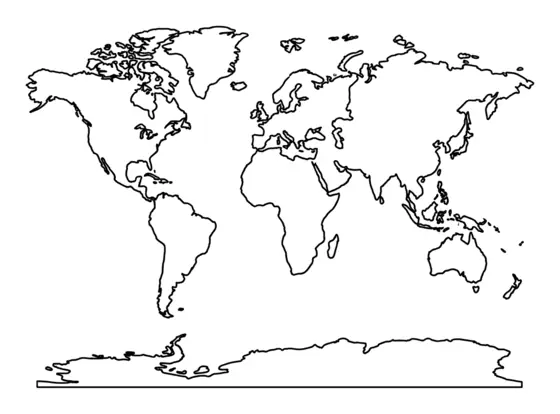
Years 1–2 · Continents and oceansSheet 87
The 7 Continents and 5 Oceans
Reception–Year 1 · Seaside and coastsSheet 43
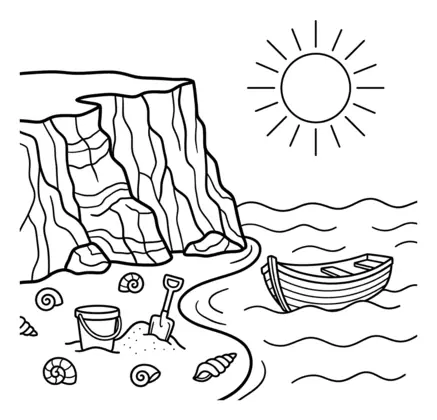
At the Seaside: Land and Sea
Reception–Year 1 · The UKSheet 44
Colour the Union Flag
Years 1–2 · Map skillsSheet 89
Compass Directions: North, East, South, West
Years 1–2 · The UKSheet 92
Countries and Capitals of the UK

Reception–Year 1 · Festivals and celebrationsSheet 7
Festivals Around the World
Educational quiz app · Ages 5-10
More learning in the Owee app
Owee turns topics like this into quizzes for children aged 5 to 10, and a treehouse grows as they learn. No ads, no chat, no strangers.
- Family-friendly
- No ads
- Private
Educational quiz app · Ages 5-10
More learning in the Owee app
Owee turns topics like this into quizzes for children aged 5 to 10, and a treehouse grows as they learn. No ads, no chat, no strangers.
Scan with your phone camera
- Family-friendly
- No ads
- Private