Educational quiz app · Ages 5-10
This is what learning looks like


Educational quiz app · Ages 5-10
This is what learning looks like
No nagging required. Keep the learning going after the worksheet, with every question read aloud and Owee guiding each step.
Scan with your phone camera
- Family-friendly
- No ads
- Private
Geography · Colouring and counting worksheet
At the Seaside: Land and Sea (Free KS1 Coastal Features Worksheet)
This free printable helps children in Years 1 and 2 begin to use the basic geographical vocabulary they meet in the KS1 curriculum: beach, cliff, coast and sea. Children colour one uncluttered seaside scene, count some of the things they can spot, and tick true sentences about land and sea. Along the way they practise telling land apart from sea and noticing where the two meet at the coast.
It prints on one A4 page and needs only colouring pencils and a pencil. The page is designed to support talk: as your child colours, you can name each feature, ask where the land ends and the sea begins, and link the picture to a real trip to the seaside.
What your child is learning
‘key physical features, including: beach, cliff, coast, forest, hill, mountain, sea, ocean, river, soil, valley, vegetation, season and weather’
Key stage 1 Geography: Human and physical geography (basic geographical vocabulary), National Curriculum in England. Source and licence

At the Seaside: Land and Sea
Free Geography worksheet · Ages 5 to 7
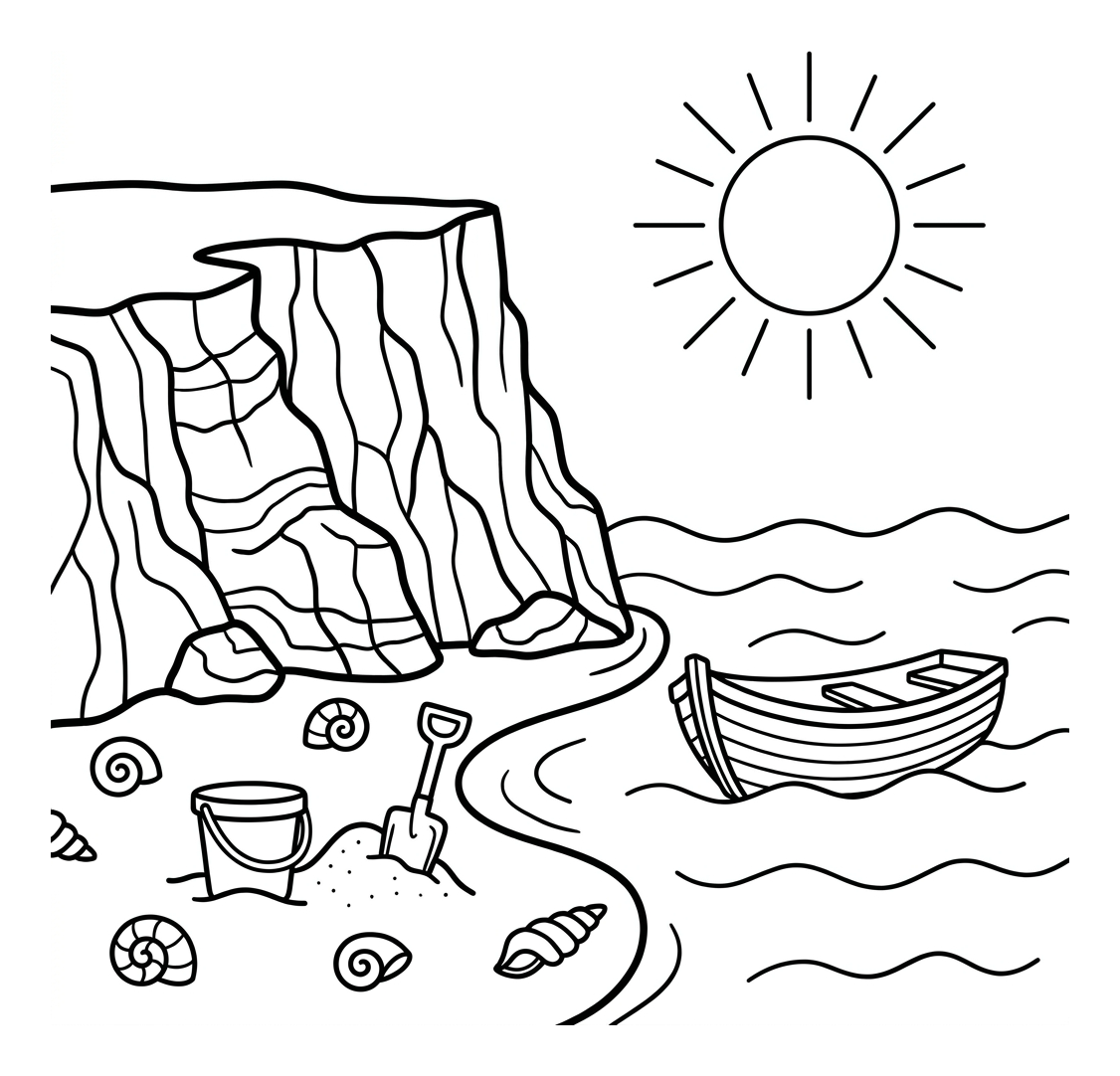
Colour the seaside
Colour the picture. Use colours that make the land and the sea look real.
- Colour the sea blue.
- Colour the sandy beach yellow.
- Colour the cliff grey or brown.
Count the features
Look carefully at the picture. Count each thing and write the number in the box.
- How many shells are on the beach?
- How many cliffs can you see?
- How many boats are on the sea?
Land or sea?
Tick the sentences that are true.
- The cliff is part of the land.
- The beach is in the middle of the sea.
- The coast is where the land meets the sea.
 At the Seaside: Land and SeaSheet 43
Answers: At the Seaside: Land and Sea
Sheet 43
- How many shells are on the beach? — 6 (one is half hidden at the left edge)
- How many cliffs can you see? — 1
- How many boats are on the sea? — 1
- The cliff is part of the land. — Tick
- The beach is in the middle of the sea. — No tick: the beach is on the land, at the edge of the sea
- The coast is where the land meets the sea. — Tick
For grown-ups. Free worksheets and the Owee quiz app at owee.world
Answer key
- How many shells are on the beach? — 6 (one is half hidden at the left edge)
- How many cliffs can you see? — 1
- How many boats are on the sea? — 1
- The cliff is part of the land. — Tick
- The beach is in the middle of the sea. — No tick: the beach is on the land, at the edge of the sea
- The coast is where the land meets the sea. — Tick
What this worksheet teaches
The KS1 geography curriculum asks children to use basic geographical vocabulary for key physical features, including beach, cliff, coast, sea and ocean. This worksheet uses the seaside because it is a familiar setting for many UK children and a friendly way into the idea of physical (natural) features. The scene shows land on one side and sea on the other, so children can see the difference rather than just hear the words. Colouring gives them time to look carefully, the counting task makes them scan the whole picture, and the tick sentences check that they know which parts are land and which are sea.
Land and sea: the key idea
Young children often need help separating land (the solid ground we stand and build on) from sea (the large area of salt water). In this picture the beach and the cliff are land, the waves are sea and the boat floats on the sea. Simple, accurate definitions help: the beach is the sandy or pebbly strip at the edge of the land; a cliff is a tall, steep face of rock; the coast is the whole edge of the land next to the sea; and the sea is the salt water itself. A common mix-up is to use coast and beach as if they mean the same thing. A beach is one part of a coast, and a coast can also have cliffs, rocks and harbours.
How to use it at home or in class
Let your child colour the scene first, naming each feature aloud as they go: "This is the cliff, this is the beach, here is the sea." Encourage natural colours, such as blue sea, golden sand and a grey or brown cliff, but do not worry about neatness. For the counting task, ask your child to touch each item as they count it. One shell is half hidden at the left edge of the picture, so it is a good chance to talk about counting carefully. Read the tick sentences aloud if needed: one of them is not true. To extend the activity, ask where they would build a sandcastle and where a boat can go, or look at photographs from a real trip to the coast.
Building on the worksheet
Once children are confident with beach, cliff, coast and sea, you can introduce the word ocean (a very large sea) and talk about how Great Britain is an island, with sea all the way around it. You might look at a simple map of the British coastline, talk about seaside places the family has visited, or discuss how people use the coast for fishing, boats and holidays. These conversations connect physical features to human geography in a way young children can follow, and lay the groundwork for the more detailed study of coasts that comes later in KS2.
Frequently asked questions
What are the key physical features of the seaside for KS1?
The core KS1 vocabulary for the seaside is beach, cliff, coast, sea and ocean. The beach is the sandy or pebbly strip at the edge of the land, a cliff is a tall steep face of rock, the coast is the whole edge of the land where it meets the sea, the sea is the salt water, and an ocean is a very large sea.
What age is this seaside worksheet for?
It is designed for children aged 5 to 7, which covers Years 1 and 2 (Key Stage 1). The colouring, counting and tick tasks suit early readers and writers, and an adult can read the sentences aloud where needed.
What is the difference between the coast and the beach?
The beach is just the sandy or pebbly part at the edge of the land where you might build a sandcastle. The coast is a broader word meaning the whole edge of the land next to the sea, which can include beaches, cliffs and other features.
Is this worksheet free to print?
Yes. It is free to download and print. It fits onto one A4 page and only needs colouring pencils and a pencil, so it works well at home or in the classroom.
How can I help my child learn land and sea vocabulary?
Name each feature aloud as your child colours it, ask them to point to the land and then the sea, and link the picture to a real seaside trip or photographs. Repeating the words beach, cliff, coast and sea in context helps them stick.
Curriculum links
- Key stage 1 Geography: Human and physical geography (basic geographical vocabulary) (statutory): 'key physical features, including: beach, cliff, coast, forest, hill, mountain, sea, ocean, river, soil, valley, vegetation, season and weather'
Quoted word for word from Department for Education documents: the National Curriculum in England, the EYFS framework or the RSHE guidance. Contains public sector information licensed under the Open Government Licence v3.0.
Made by The Owee education team. Updated 13/10/2026. Free to print and share.
More geography worksheets
All Year 1 Geography worksheets →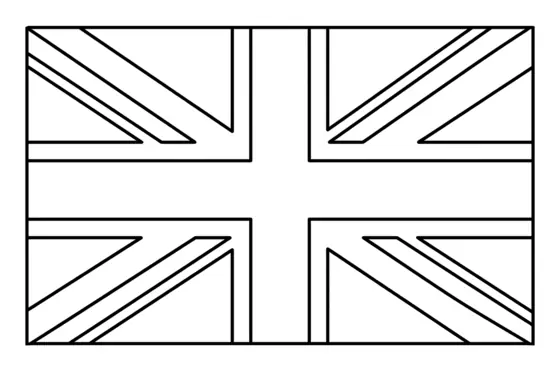
Reception–Year 1 · The UKSheet 44
Colour the Union Flag
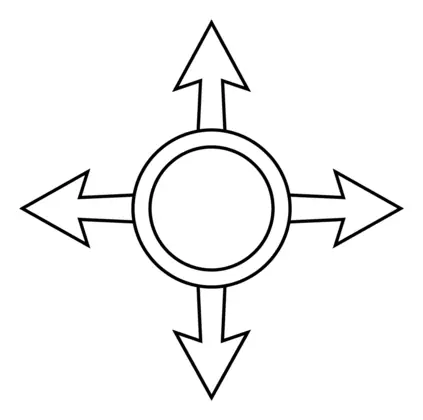
Years 1–2 · Map skillsSheet 89
Compass Directions: North, East, South, West
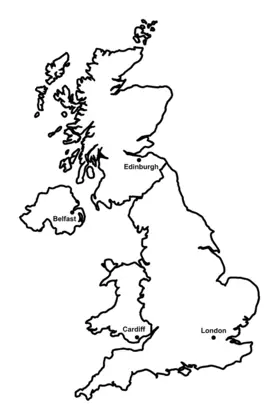
Years 1–2 · The UKSheet 92
Countries and Capitals of the UK

Reception–Year 1 · Festivals and celebrationsSheet 7
Festivals Around the World
Years 1–2 · Hot and cold placesSheet 88
Hot and Cold Places of the World
Reception–Year 1 · TransportSheet 45
Land, Air and Water Transport
Educational quiz app · Ages 5-10
More learning in the Owee app
Owee turns topics like this into quizzes for children aged 5 to 10, and a treehouse grows as they learn. No ads, no chat, no strangers.
- Family-friendly
- No ads
- Private
Educational quiz app · Ages 5-10
More learning in the Owee app
Owee turns topics like this into quizzes for children aged 5 to 10, and a treehouse grows as they learn. No ads, no chat, no strangers.
Scan with your phone camera
- Family-friendly
- No ads
- Private