Educational quiz app · Ages 5-10
This is what learning looks like


Educational quiz app · Ages 5-10
This is what learning looks like
No nagging required. Keep the learning going after the worksheet, with every question read aloud and Owee guiding each step.
Scan with your phone camera
- Family-friendly
- No ads
- Private
Geography · Sorting and colouring worksheet
Physical and Human Features Worksheet (Free KS1 Geography)
This free printable worksheet introduces one of the first big ideas in Key Stage 1 geography: the world around us is made up of physical features (made by nature, such as a hill or a river) and human features (built by people, such as a house, a shop, a factory or a bridge). Children aged 6 to 7 look closely at one landscape scene, decide whether each feature is natural or built, and show their sorting on the picture.
The sheet prints on one A4 page and works well at home or in the classroom. A short true-or-false tick task practises the words, then children ring and colour the features in the scene.
What your child is learning
‘key human features, including: city, town, village, factory, farm, house, office, port, harbour and shop’
Key stage 1 Geography: Human and physical geography (basic geographical vocabulary), National Curriculum in England. Source and licence

Physical and Human Features Sort
Free Geography worksheet · Ages 6 to 7
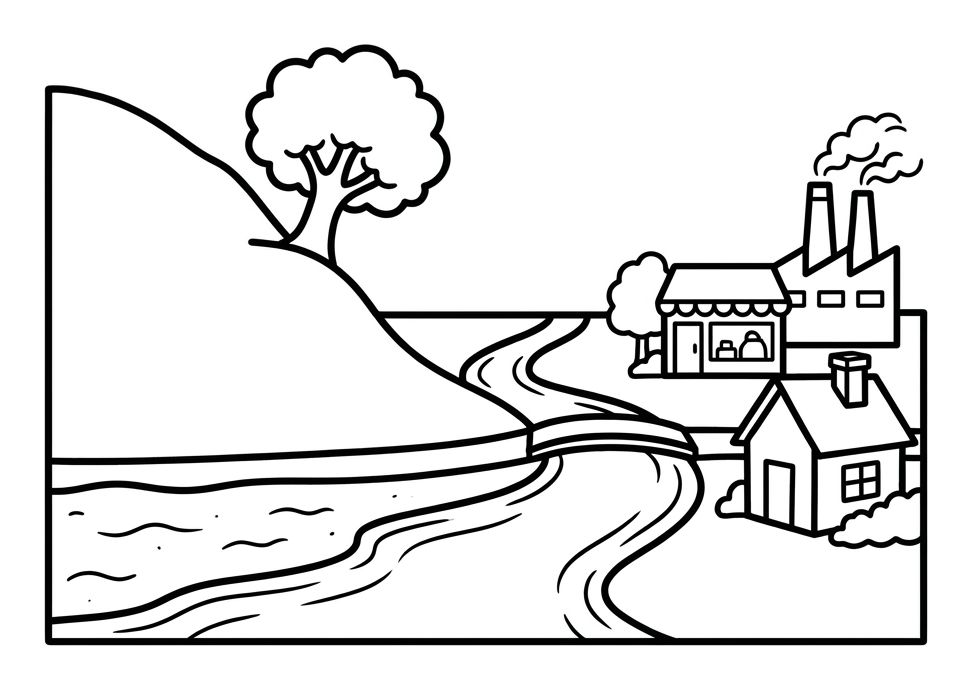
True or not true?
Read each sentence about the picture. Tick the box only if the sentence is true.
- A hill is a physical feature made by nature.
- A river is a physical feature made by nature.
- A house is a physical feature made by nature.
- A shop is a human feature built by people.
- A bridge is a physical feature made by nature.
- A factory is a human feature built by people.
Ring and colour
Show the two groups on the picture, then colour it.
- Draw a green ring round 3 things made by nature.
- Draw a red ring round 3 things built by people.
 Physical and Human Features SortSheet 91
Answers: Physical and Human Features Sort
Sheet 91
- A hill is a physical feature made by nature. — Tick
- A river is a physical feature made by nature. — Tick
- A house is a physical feature made by nature. — No tick: a house is built by people
- A shop is a human feature built by people. — Tick
- A bridge is a physical feature made by nature. — No tick: a bridge is built by people
- A factory is a human feature built by people. — Tick
For grown-ups. Free worksheets and the Owee quiz app at owee.world
Answer key
- A hill is a physical feature made by nature. — Tick
- A river is a physical feature made by nature. — Tick
- A house is a physical feature made by nature. — No tick: a house is built by people
- A shop is a human feature built by people. — Tick
- A bridge is a physical feature made by nature. — No tick: a bridge is built by people
- A factory is a human feature built by people. — Tick
What are physical and human features?
In geography, a physical feature is something that is made by nature, not by people. Hills, mountains, rivers, the sea, beaches, forests, valleys and cliffs are all physical features. A human feature is something that people have built or made, such as houses, shops, factories, roads, bridges, harbours and farms. Sorting everyday things into these two groups builds the basic geographical vocabulary the National Curriculum expects by the end of Key Stage 1. The scene on this worksheet mixes both kinds of feature, and even puts a human feature (the bridge) on top of a physical one (the river), so children have to look carefully at each one.
How to use this worksheet
Begin by naming what you can see in the picture together: a hill, trees, a river, a bridge, a house, a shop and a factory. For each one, ask your child: "Did people build this, or did nature make it?" Then read the tick sentences aloud if needed. Two of them are not true, so your child needs to think about each one rather than ticking them all. Next, they draw a green ring round three things made by nature and a red ring round three things built by people, and colour the scene. If your child gets stuck, ask: "Could this be here if no people had ever lived nearby?"
Why this matters in KS1 geography
Sorting features into physical and human is more than a vocabulary exercise. It is the foundation for later geography, where children describe places, compare a local area with a contrasting one, and begin to understand how people change the landscape. By noticing that a beach is natural but a harbour is built, or that a hill is physical but a road across it is human, children start to read the world around them like geographers. This worksheet keeps the focus on confident recognition and clear language, which is exactly what Year 1 and Year 2 pupils need before tackling maps and locational knowledge in more depth.
Extending the learning
Once the worksheet is finished, take the idea outdoors. On a short walk, or looking out of the window, ask your child to spot one physical feature and one human feature and explain their choice. You could keep a tally of each over a week, or draw a quick picture of your street and ring the natural and built parts. For children ready for a challenge, talk about tricky cases: a field of crops is a human feature, because people planted and look after it, even though the soil and rain are natural. A park is similar. These short conversations stretch the vocabulary without overwhelming young learners.
Frequently asked questions
What is the difference between a physical feature and a human feature?
A physical feature is made by nature and is not built by people, such as a hill, a river, a beach or a forest. A human feature is made or built by people, such as a house, a shop, a factory, a road or a bridge. KS1 children learn to sort everyday things into these two groups.
What age is this physical and human features worksheet for?
It is designed for children aged 6 to 7, which is Year 2 in Key Stage 1. The vocabulary and tasks suit this age, though confident Year 1 children and children revising in Year 3 can also use it.
Is this worksheet free to print?
Yes. The worksheet is free to download and print. It fits on one A4 page, so you can print it at home or in the classroom.
Which features count as physical and which count as human?
On this sheet, the hill, the river and the trees are physical (natural) features, while the house, shop, factory and bridge are human (built) features. The National Curriculum lists many more, including coast, cliff, mountain and valley for physical, and city, town, village, port and farm for human.
How does this support the KS1 geography curriculum?
It directly supports the human and physical geography strand of the KS1 programme of study, which asks children to use basic geographical vocabulary for key physical and human features. Sorting and colouring helps embed that vocabulary in a memorable way.
Curriculum links
- Key stage 1 Geography: Human and physical geography (basic geographical vocabulary) (statutory): 'key human features, including: city, town, village, factory, farm, house, office, port, harbour and shop'
Quoted word for word from Department for Education documents: the National Curriculum in England, the EYFS framework or the RSHE guidance. Contains public sector information licensed under the Open Government Licence v3.0.
Made by The Owee education team. Updated 13/10/2026. Free to print and share.
More geography worksheets
All Year 2 Geography worksheets →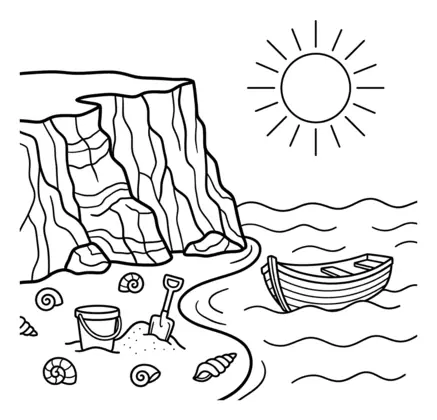
Reception–Year 1 · Seaside and coastsSheet 43
At the Seaside: Land and Sea
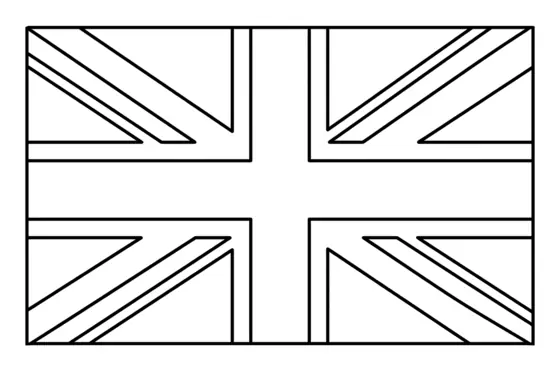
Reception–Year 1 · The UKSheet 44
Colour the Union Flag
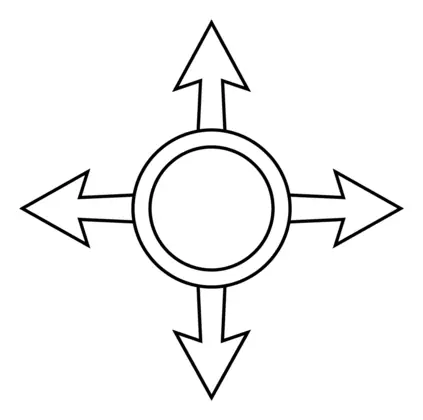
Years 1–2 · Map skillsSheet 89
Compass Directions: North, East, South, West
Years 1–2 · The UKSheet 92
Countries and Capitals of the UK

Reception–Year 1 · Festivals and celebrationsSheet 7
Festivals Around the World
Years 1–2 · Hot and cold placesSheet 88
Hot and Cold Places of the World
Educational quiz app · Ages 5-10
More learning in the Owee app
Owee turns topics like this into quizzes for children aged 5 to 10, and a treehouse grows as they learn. No ads, no chat, no strangers.
- Family-friendly
- No ads
- Private
Educational quiz app · Ages 5-10
More learning in the Owee app
Owee turns topics like this into quizzes for children aged 5 to 10, and a treehouse grows as they learn. No ads, no chat, no strangers.
Scan with your phone camera
- Family-friendly
- No ads
- Private