Educational quiz app · Ages 5-10
This is what learning looks like


Educational quiz app · Ages 5-10
This is what learning looks like
No nagging required. Keep the learning going after the worksheet, with every question read aloud and Owee guiding each step.
Scan with your phone camera
- Family-friendly
- No ads
- Private
Geography · Labelling and colouring worksheet
Parts of a River Worksheet (Free KS2 Geography)
This free printable worksheet introduces children aged 7 to 9 to the journey of a river, from its source high in the hills to its mouth at the sea. Working from one clear drawing, children label four key features with a word bank, answer three short questions about how a river flows, then colour the scene.
It prints on one A4 page, so it suits a Lower Key Stage 2 geography lesson, a homework task or a quiet afternoon at home. You need only a pencil and a few colouring pencils.
What your child is learning
‘physical geography, including: climate zones, biomes and vegetation belts, rivers, mountains, volcanoes and earthquakes, and the water cycle’
Key stage 2 Geography: Human and physical geography, National Curriculum in England. Source and licence

Parts of a River
Free Geography worksheet · Ages 7 to 9
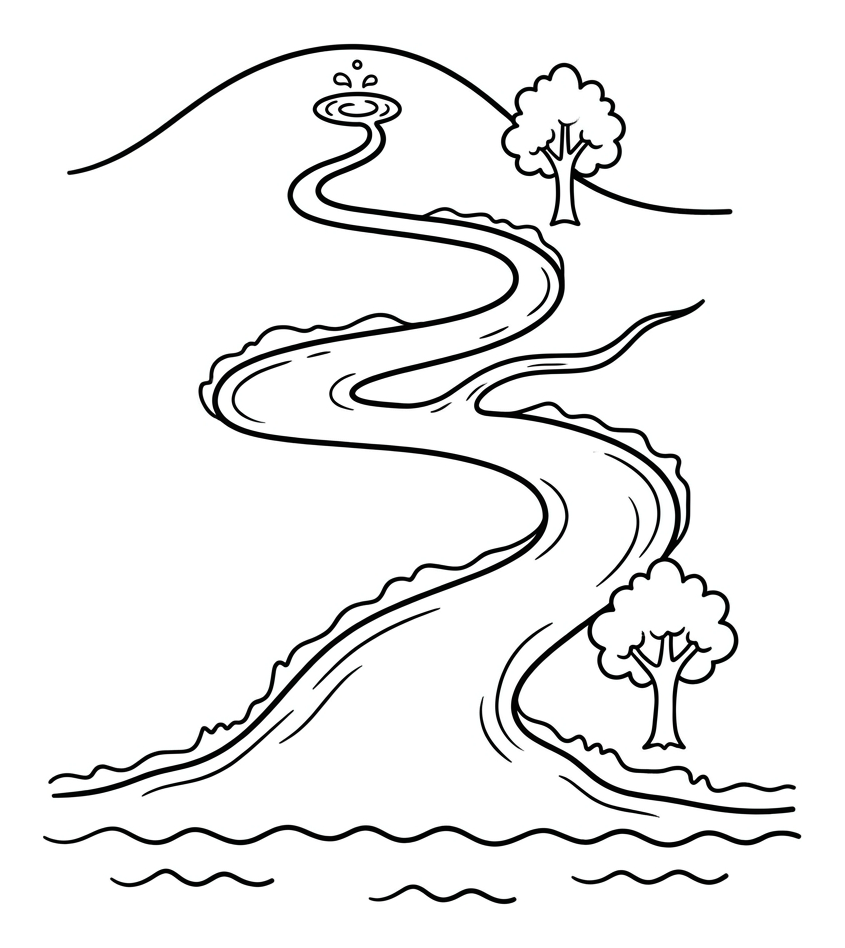
Label the parts of the river
Write the name of each numbered part. Use the word bank.
- 1
- 2
- 3
- 4
How does a river flow?
Answer each question.
Does a river flow uphill or downhill?
Where does this river end?
The river gets wider as it gets near the sea. Why do you think this is?
Colour the river journey
Colour the river and the sea blue. Colour the hill and the land green. Colour the trees.
 Parts of a RiverSheet 125
Answers: Parts of a River
Sheet 125
- 1. meander
- 2. source
- 3. mouth
- 4. tributary
- Does a river flow uphill or downhill? — Downhill
- Where does this river end? — In the sea
- The river gets wider as it gets near the sea. Why do you think this is? — More water joins it on the way, from tributaries and rain.
For grown-ups. Free worksheets and the Owee quiz app at owee.world
Answer key
- 1. meander
- 2. source
- 3. mouth
- 4. tributary
- Does a river flow uphill or downhill? — Downhill
- Where does this river end? — In the sea
- The river gets wider as it gets near the sea. Why do you think this is? — More water joins it on the way, from tributaries and rain.
What children learn from this worksheet
A river changes a great deal along its course, and this sheet shows the whole journey at once. Children learn that a river begins at its source, often a spring high up on a hill or mountain. As it flows downhill it is joined by smaller streams called tributaries. Across flatter ground it bends from side to side in loops called meanders. Finally it reaches its mouth, where it flows into the sea, a lake or a larger river. Labelling each part on the picture builds geographical vocabulary and shows how water moves across the land.
How to use this sheet at home or in class
Start by tracing the river's path with a finger, from the spring at the top of the hill down to the sea. Ask your child which way the water is flowing and how they can tell. Then read the word bank together. The numbers on the picture are mixed up on purpose, so your child needs to look at each place carefully before writing the word on the matching line. Next they answer the three questions. Finish by colouring the river and sea blue and the land green. For an extra challenge, find a river near you on a map and follow it to its mouth.
Linking it to the wider curriculum
This activity is part of the Key Stage 2 study of rivers in physical geography. It pairs well with fieldwork or a local case study, such as following a nearby stream or tracing a familiar river on a map. You can extend it with related words such as the riverbank, the channel, the confluence (where a tributary joins the main river) and the floodplain, or link it to the water cycle, which children meet in Year 4 science. The sheet gives children a shared diagram to come back to as they go on to study erosion, deposition and how people use rivers.
Common misconceptions to watch for
Children often think rivers flow 'down' a map, from north to south. In fact rivers always flow downhill, which can be in any direction: the River Nile, for example, flows north into the Mediterranean Sea. Another common mix-up is between a tributary (a smaller stream flowing into the main river) and the mouth (where the main river flows out into the sea). Because the whole journey is drawn as one picture, children can see that both are places where water joins something bigger, but at different ends of the river.
Frequently asked questions
What are the main parts of a river for KS2?
For Key Stage 2, the key parts are the source (where the river begins, usually high ground), tributaries (smaller streams that join it), meanders (the bends in its course) and the mouth (where it flows into the sea, a lake or a larger river). This worksheet covers all four.
Is this river worksheet free to print?
Yes. The worksheet is free to download and print for home or classroom use. It is designed to fit onto a single A4 page, so you only need one sheet of paper per child.
What age group is this worksheet for?
It is aimed at children aged 7 to 9, which covers Years 3 and 4 in Lower Key Stage 2. Confident younger readers and older children revisiting the topic can also use it.
What is the difference between the source and the mouth of a river?
The source is where a river starts, often a spring high in the hills or mountains. The mouth is where it ends, flowing out into the sea, a lake or a larger river. The river travels downhill all the way from the source to the mouth.
How does this worksheet support the National Curriculum?
It supports the KS2 Geography requirement to describe and understand key aspects of physical geography, including rivers, and helps children build the geographical vocabulary used to describe a river's features.
Curriculum links
- Key stage 2 Geography: Human and physical geography (statutory): 'physical geography, including: climate zones, biomes and vegetation belts, rivers, mountains, volcanoes and earthquakes, and the water cycle'
Quoted word for word from Department for Education documents: the National Curriculum in England, the EYFS framework or the RSHE guidance. Contains public sector information licensed under the Open Government Licence v3.0.
Made by The Owee education team. Updated 13/10/2026. Free to print and share.
More geography worksheets
All Year 3 Geography worksheets →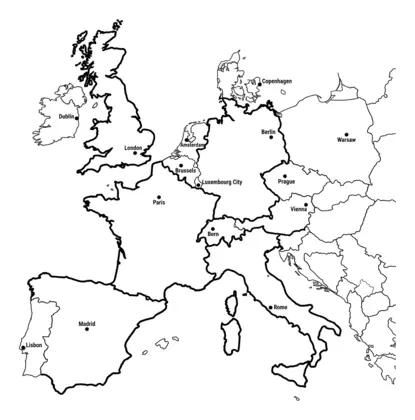
Years 4–5 · EuropeSheet 161
Countries and Capitals of Europe
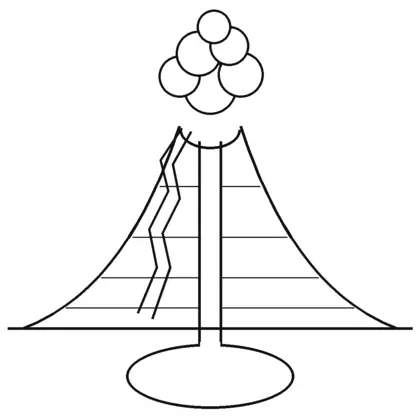
Years 3–4 · Volcanoes and earthquakesSheet 164
Inside a Volcano
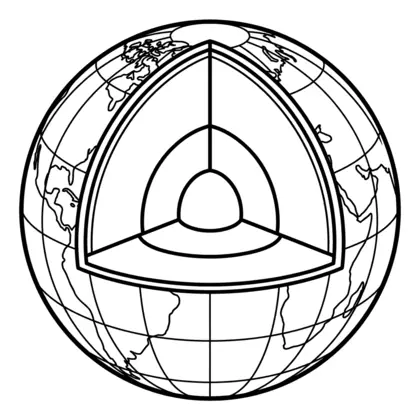
Years 3–4 · Volcanoes and earthquakesSheet 165
Layers of the Earth
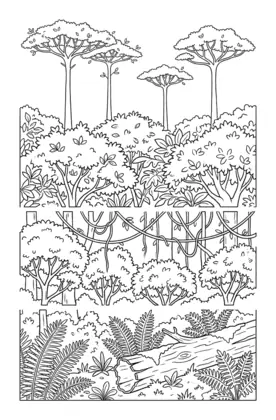
Years 3–4 · RainforestsSheet 163
Layers of the Rainforest
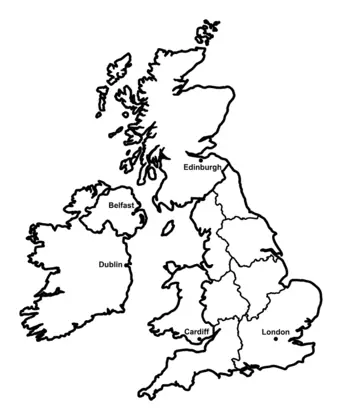
Years 2–3 · The UKSheet 93
Map of the United Kingdom
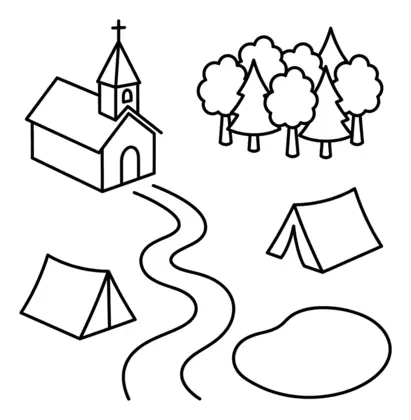
Years 4–5 · Map skillsSheet 162
Reading a Map: Symbols and a Key
Educational quiz app · Ages 5-10
More learning in the Owee app
Owee turns topics like this into quizzes for children aged 5 to 10, and a treehouse grows as they learn. No ads, no chat, no strangers.
- Family-friendly
- No ads
- Private
Educational quiz app · Ages 5-10
More learning in the Owee app
Owee turns topics like this into quizzes for children aged 5 to 10, and a treehouse grows as they learn. No ads, no chat, no strangers.
Scan with your phone camera
- Family-friendly
- No ads
- Private