Educational quiz app · Ages 5-10
This is what learning looks like


Educational quiz app · Ages 5-10
This is what learning looks like
No nagging required. Keep the learning going after the worksheet, with every question read aloud and Owee guiding each step.
Scan with your phone camera
- Family-friendly
- No ads
- Private
Geography · Colouring and matching worksheet
Map Symbols and a Key: Free KS1 Geography Worksheet
This free, printable worksheet introduces children aged 6 to 7 to map symbols and the idea of a key. Maps use small pictures, called symbols, to stand for real things such as a tree, a house, a church, a river, a road or a school. A key is the little box that explains what each symbol means, so anyone can read the map. Each symbol has a number, and children use the word bank to write what it stands for. Then they colour three of the symbols in the colours a map maker would choose.
It is free to print, use and share, at home or in the classroom. Just press print, or save it as a PDF.
What your child is learning
‘use aerial photographs and plan perspectives to recognise landmarks and basic human and physical features; devise a simple map; and use and construct basic symbols in a key’
Key stage 1 Geography: Geographical skills and fieldwork, National Curriculum in England. Source and licence

Map Symbols and a Key
Free Geography worksheet · Ages 6 to 7
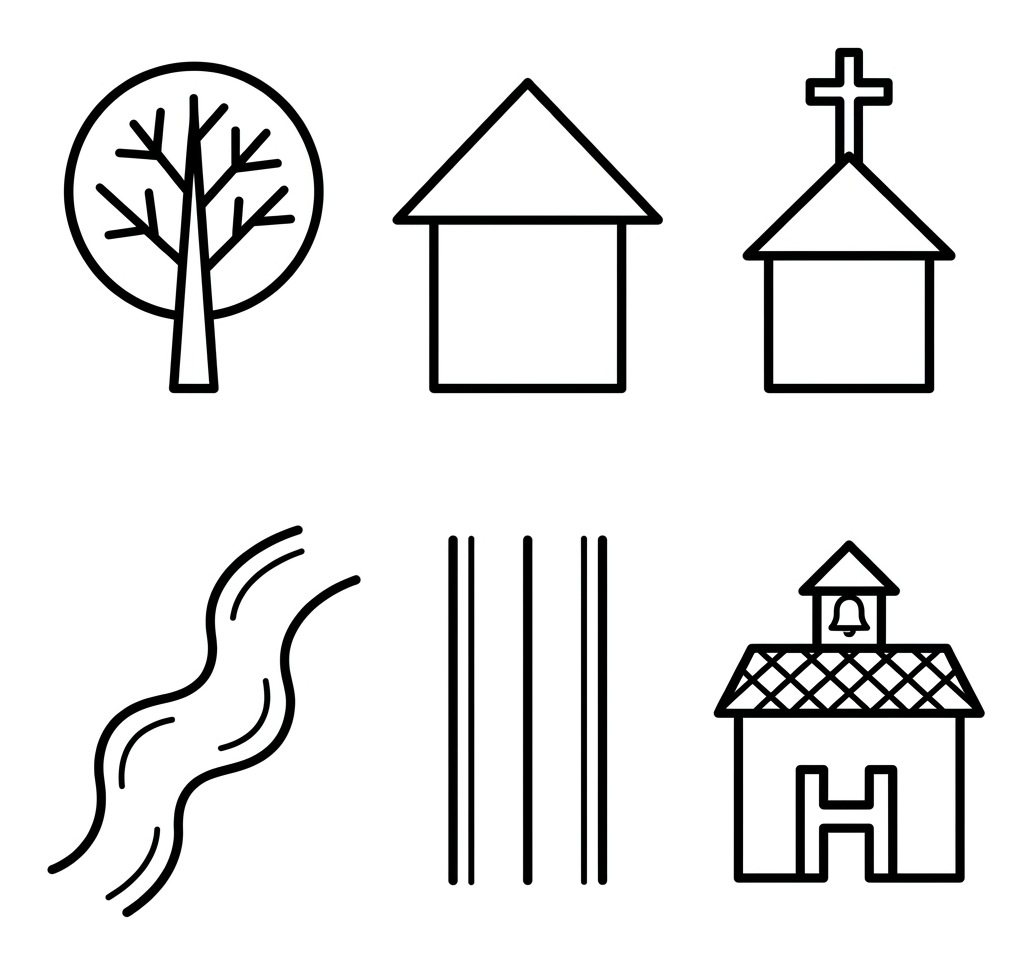
What does each symbol mean?
Look at each map symbol. Write what it stands for next to its number. Use the word bank.
- 1
- 2
- 3
- 4
- 5
- 6
Colour the map symbols
Colour the symbols in the colours a map maker might use.
- Colour the tree green.
- Colour the river blue.
- Colour the road grey or black.
 Map Symbols and a KeySheet 90
Answers: Map Symbols and a Key
Sheet 90
- 1. tree
- 2. house
- 3. church
- 4. river
- 5. road
- 6. school
For grown-ups. Free worksheets and the Owee quiz app at owee.world
Answer key
- 1. tree
- 2. house
- 3. church
- 4. river
- 5. road
- 6. school
What is on the worksheet
Six clear, friendly map symbols are laid out in a tidy grid: a tree, a house, a small church with a cross, a wavy river, a straight road and a school building. The river and road are drawn from above, as they would be on a real map. The tree and buildings are drawn from the side, which is easier for young children to recognise; real maps often draw these as simpler shapes seen from above.
Below the picture there is a matching task and a short colouring task. A word bank lists the six things the symbols stand for, and there is a numbered line for each answer. The aim is not to draw a perfect map, but to grasp the big idea: a symbol is a small picture that stands for something real, and a key tells you what it means.
How to use it at home or in the classroom
Print the worksheet, or open it on a tablet and print from there. Work through the matching task together first. Point to each symbol and ask what it reminds your child of, then help them find the right word in the word bank and write it on the matching line. Talk about why a map maker would use a cross for a church or a wavy line for a river. Then do the colouring, and ask why blue suits a river and green suits a tree.
One thing to watch: the school's door is shaped like a letter H. On many maps a letter H means a hospital, so it is worth saying that this drawing shows a school. In class it works well as a starter before reading a simple local map, or before a walk around the school grounds to spot real versions of the symbols.
What your child will learn
By the end of the activity, your child should understand that maps use symbols, small pictures that stand for real features, and that a key is the box that explains what each symbol means. They will be able to recognise six common symbols: a tree, a house, a church, a river, a road and a school.
This is an important early map skill. Once a child knows that one small picture can stand for something much bigger in the real world, they can begin to read simple maps, plans and atlases. It also builds the vocabulary, symbol and key, that they will meet again throughout primary geography.
A note for teachers
This worksheet supports the Key Stage 1 geography programme of study for geographical skills and fieldwork, specifically using basic symbols in a key when devising or reading a simple map. It pairs well with a class map of the local area, a simple plan of the classroom or playground, or a short fieldwork walk to spot the real features the symbols represent.
A point worth sharing with pupils: real maps, such as those from the Ordnance Survey, use a standard set of symbols, so the exact symbol can vary from map to map. What matters at this stage is the underlying idea, that symbols stand for real things and a key explains them. There is no log-in and no watermark, and you are welcome to print copies for your class and to link to this page from your school website or newsletter.
Frequently asked questions
What is a map symbol?
A map symbol is a small picture or sign that stands for something real on a map, such as a tree, a church or a road. Symbols let a map show a lot of information in a small space, without writing out every word.
What is a key on a map?
A key, sometimes called a legend, is a small box on a map that lists the symbols and explains what each one means. You read the key first, then you can understand the symbols on the map. This worksheet helps children learn that idea.
What age or year group is this worksheet for?
It is designed for children aged 6 to 7, which is Year 2 (Key Stage 1) in England. Confident Year 1 children and older children revising map skills will also find it useful.
Are these the real Ordnance Survey map symbols?
These are simple, child-friendly versions of common map symbols rather than exact Ordnance Survey symbols. At Key Stage 1 the goal is to understand that symbols stand for real features and that a key explains them. Real maps use a standard set of symbols that children meet in more detail later.
Is this map symbols worksheet free to print and share?
Yes. It is free to print, use at home or in class, and share. There is no sign-up and no watermark, and you are welcome to link to this page from a school website or newsletter.
Curriculum links
- Key stage 1 Geography: Geographical skills and fieldwork (statutory): 'use aerial photographs and plan perspectives to recognise landmarks and basic human and physical features; devise a simple map; and use and construct basic symbols in a key'
Quoted word for word from Department for Education documents: the National Curriculum in England, the EYFS framework or the RSHE guidance. Contains public sector information licensed under the Open Government Licence v3.0.
Made by The Owee education team. Updated 13/10/2026. Free to print and share.
More geography worksheets
All Year 2 Geography worksheets →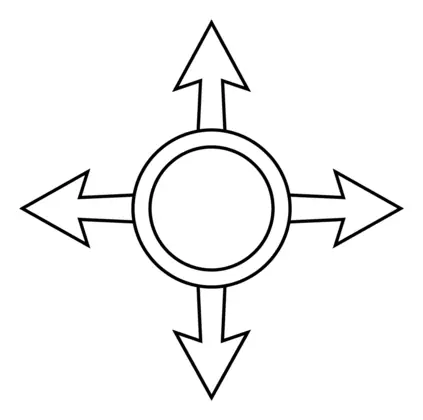
Years 1–2 · Map skillsSheet 89
Compass Directions: North, East, South, West
Years 4–5 · Map skillsSheet 162
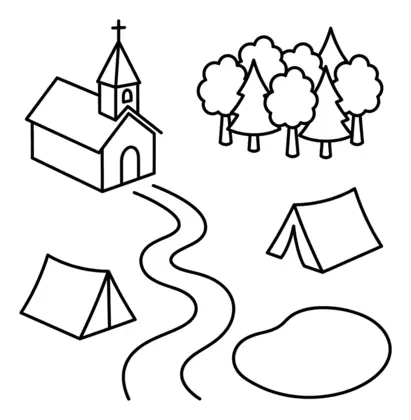
Reading a Map: Symbols and a Key
Years 3–4 · Map skillsSheet 124
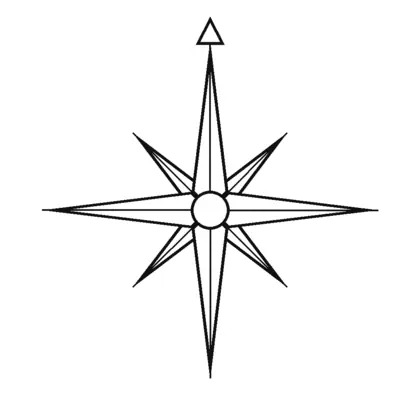
The 8-Point Compass
Reception–Year 1 · Seaside and coastsSheet 43
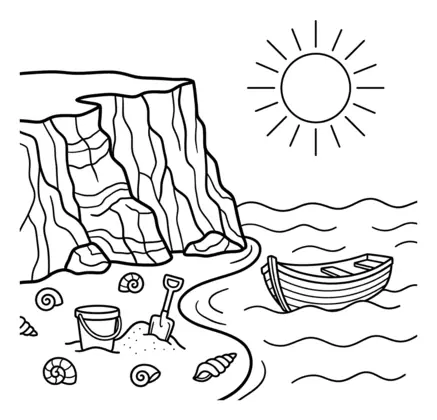
At the Seaside: Land and Sea
Reception–Year 1 · The UKSheet 44
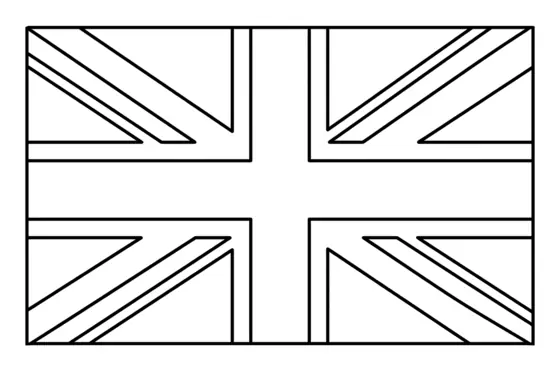
Colour the Union Flag
Years 1–2 · The UKSheet 92
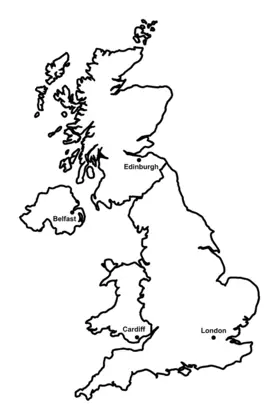
Countries and Capitals of the UK
Educational quiz app · Ages 5-10
More learning in the Owee app
Owee turns topics like this into quizzes for children aged 5 to 10, and a treehouse grows as they learn. No ads, no chat, no strangers.
- Family-friendly
- No ads
- Private
Educational quiz app · Ages 5-10
More learning in the Owee app
Owee turns topics like this into quizzes for children aged 5 to 10, and a treehouse grows as they learn. No ads, no chat, no strangers.
Scan with your phone camera
- Family-friendly
- No ads
- Private