Educational quiz app · Ages 5-10
This is what learning looks like


Educational quiz app · Ages 5-10
This is what learning looks like
No nagging required. Keep the learning going after the worksheet, with every question read aloud and Owee guiding each step.
Scan with your phone camera
- Family-friendly
- No ads
- Private
Geography · Colouring and sorting worksheet
Land, Air and Water Transport: Free KS1 Sorting Worksheet
This free printable worksheet introduces young children to the idea that different vehicles travel in different places: on land, in the air or on water. It is designed for KS1 learners (Years 1 and 2) and also works as a guided activity in Reception.
Children name the six vehicles in the picture, sort them into the three groups using a word bank, then colour each group in its own colour. The line drawing prints on one A4 page, ready to use at home or in the classroom.

Land, Air and Water Transport
Free Geography worksheet · Ages 5 to 7
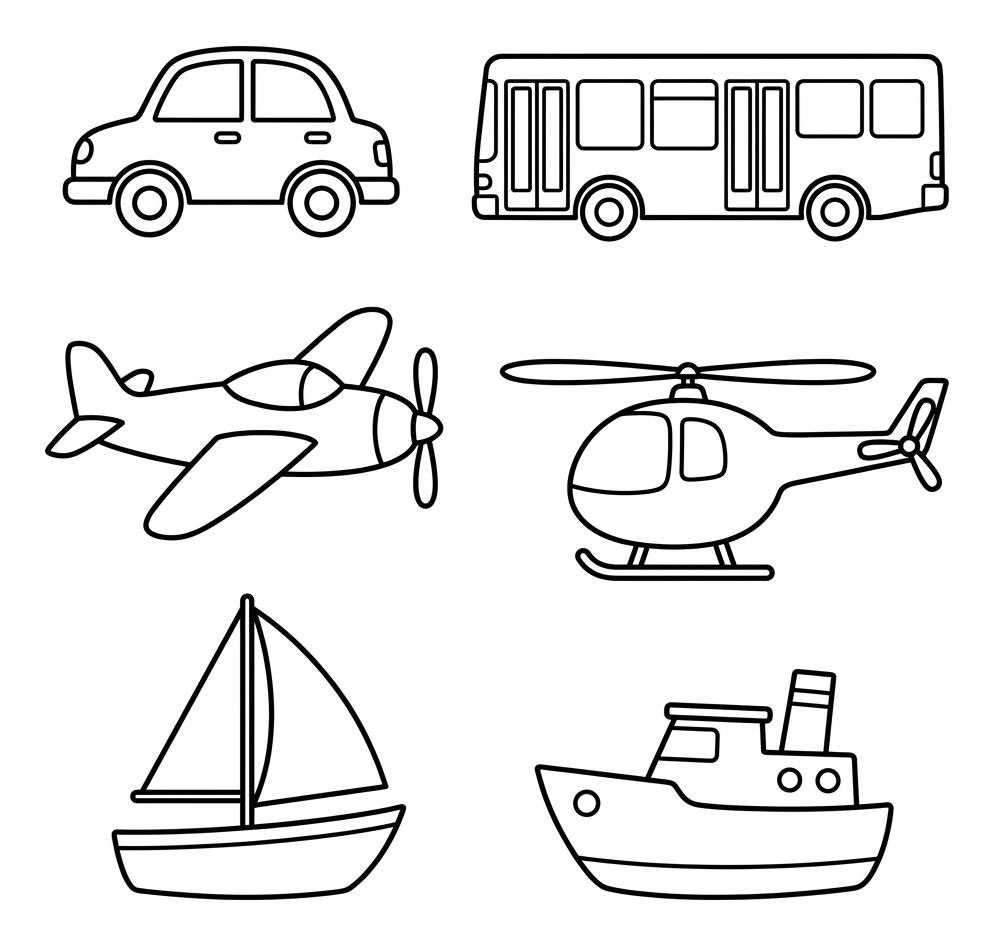
Sort the vehicles
Where does each vehicle travel? Write two vehicles for each group. Use the word bank.
Land (travels on the ground):
Air (flies in the sky):
Water (travels on water):
Colour by group
Colour the vehicles. Use one colour for the land vehicles, another colour for the air vehicles and a third colour for the water vehicles.
 Land, Air and Water TransportSheet 45
Answers: Land, Air and Water Transport
Sheet 45
- Land (travels on the ground): — car, bus
- Air (flies in the sky): — aeroplane, helicopter
- Water (travels on water): — boat, ship
For grown-ups. Free worksheets and the Owee quiz app at owee.world
Answer key
- Land (travels on the ground): — car, bus
- Air (flies in the sky): — aeroplane, helicopter
- Water (travels on water): — boat, ship
What children learn from this worksheet
The activity builds two early skills at once. First, children practise the vocabulary of transport by matching familiar vehicles to their names: a car, a bus, an aeroplane, a helicopter, a boat and a ship. Second, they classify those vehicles by where they travel, an early step towards understanding how people and goods move between places.
Sorting into land, air and water groups also asks children to give reasons. A question such as "How do you know the helicopter goes in the air group?" turns a simple sorting task into a short conversation about evidence: it has spinning blades and no wheels, so it cannot drive along a road.
How to use this sheet at home or in class
Begin by looking at the picture together and naming each vehicle. Talk about any your child has travelled in or seen, because personal experience helps the words stick. Then read the word bank aloud and ask your child to write two vehicles under each heading: land, air and water. If writing is still hard, they can point and you can write.
Finally, they colour the vehicles, using one colour for each group, so the finished picture shows the sorting at a glance. For an extra challenge, ask whether any vehicle could belong in more than one group, such as a seaplane, which can land on water, or a hovercraft, which travels over land and water.
Extending the learning
This worksheet pairs well with a short walk, or some time at the window, spotting real vehicles and deciding which group each belongs to. You might tally how many land vehicles pass your home in five minutes, or look at photographs of ferries, fishing boats and cargo ships to widen the water group.
You can also talk about journeys that use more than one kind of transport, such as taking a bus to the airport and then flying, or driving onto a ferry. This helps children see transport as a way of connecting places, which is useful background for later geography work on journeys, routes and maps.
Why sorting matters in early learning
Sorting objects into groups is one of the basic thinking skills used across primary geography and science. When children sort vehicles by where they travel, they learn to spot what things have in common and to organise the world into sensible groups. The same skill is used later when they sort features into physical and human, or animals into groups.
Because the groups here are concrete and easy to see, the task suits a wide range of children. Confident learners can explain their choices and think about tricky cases, while children who need more support can succeed by matching each vehicle to the most obvious group.
Made by The Owee education team. Updated 13/10/2026. Free to print and share.
More geography worksheets
All Year 1 Geography worksheets →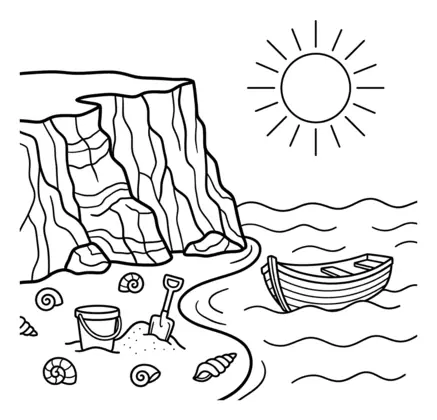
Reception–Year 1 · Seaside and coastsSheet 43
At the Seaside: Land and Sea
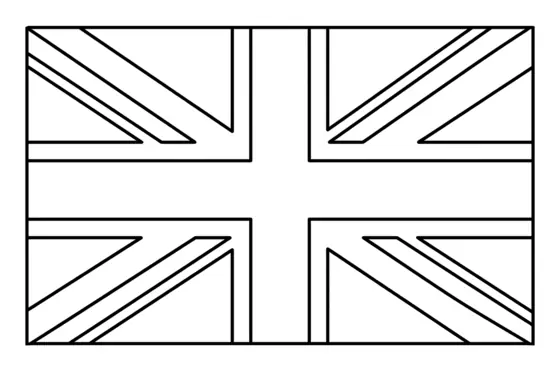
Reception–Year 1 · The UKSheet 44
Colour the Union Flag
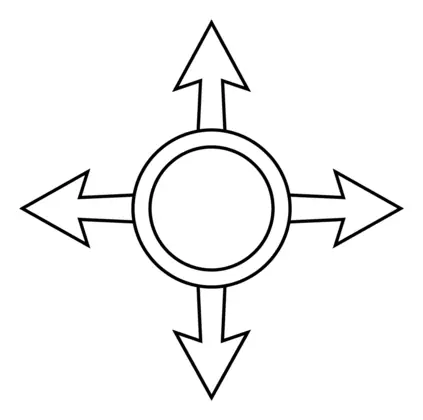
Years 1–2 · Map skillsSheet 89
Compass Directions: North, East, South, West
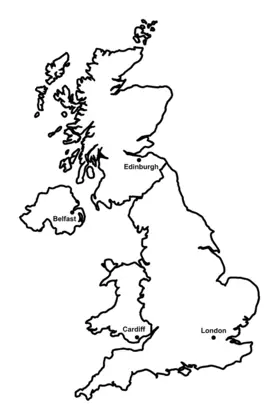
Years 1–2 · The UKSheet 92
Countries and Capitals of the UK

Reception–Year 1 · Festivals and celebrationsSheet 7
Festivals Around the World
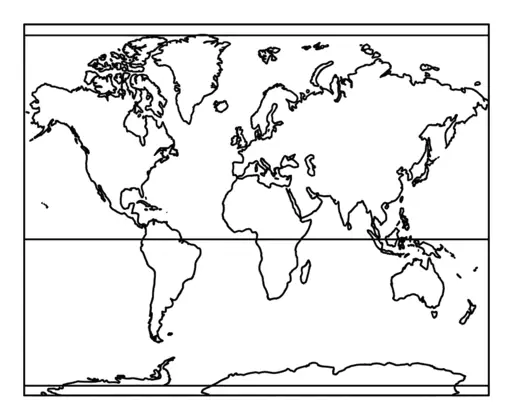
Years 1–2 · Hot and cold placesSheet 88
Hot and Cold Places of the World
Educational quiz app · Ages 5-10
More learning in the Owee app
Owee turns topics like this into quizzes for children aged 5 to 10, and a treehouse grows as they learn. No ads, no chat, no strangers.
- Family-friendly
- No ads
- Private
Educational quiz app · Ages 5-10
More learning in the Owee app
Owee turns topics like this into quizzes for children aged 5 to 10, and a treehouse grows as they learn. No ads, no chat, no strangers.
Scan with your phone camera
- Family-friendly
- No ads
- Private