Educational quiz app · Ages 5-10
This is what learning looks like


Educational quiz app · Ages 5-10
This is what learning looks like
No nagging required. Keep the learning going after the worksheet, with every question read aloud and Owee guiding each step.
Scan with your phone camera
- Family-friendly
- No ads
- Private
Geography · Colouring and short-answer worksheet
Hot and Cold Places of the World: Free KS1 Geography Worksheet
This free printable worksheet helps children in Years 1 and 2 begin to understand how temperature changes across the world. By colouring a simple world map, they learn that the hottest places are near the Equator, the line across the middle of the map, while the coldest places are near the North and South Poles at the very top and bottom.
It supports the KS1 geography curriculum and works well as a classroom starter, a homework task or a quiet activity at home. Everything fits on a single A4 page, ready to print and colour.
What your child is learning
‘identify seasonal and daily weather patterns in the United Kingdom and the location of hot and cold areas of the world in relation to the Equator and the North and South Poles’
Key stage 1 Geography: Human and physical geography, National Curriculum in England. Source and licence

Hot and Cold Places of the World
Free Geography worksheet · Ages 6 to 7
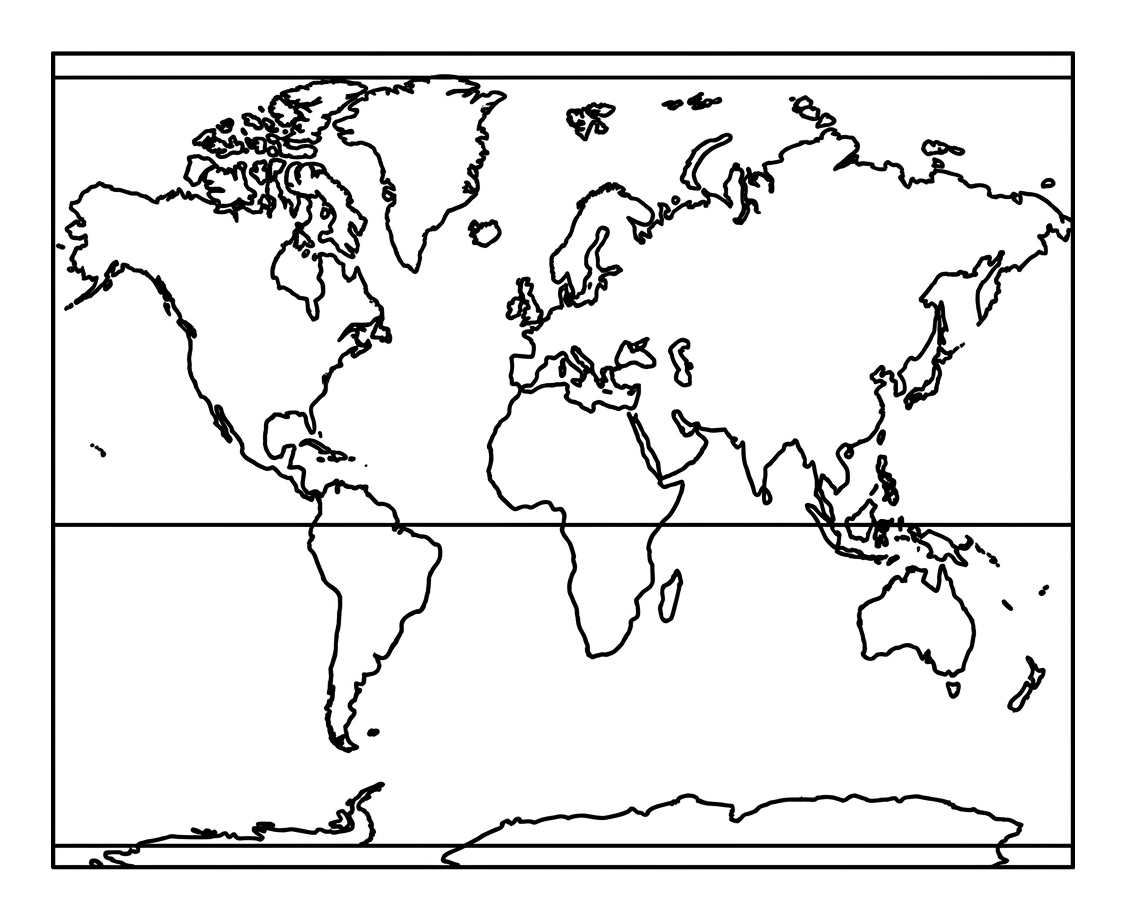
Colour the map
Colour the map to show hot and cold places.
- Colour the land near the Equator (the line across the middle) red, orange or yellow.
- Colour Greenland (the big island at the top) and Antarctica (along the bottom) blue.
Finish the sentences
Use the word bank to finish each sentence.
The line across the middle of the map is the __.
Places near the Equator are __.
The North and South __ are at the top and bottom of the world.
Places near the North and South Poles are __.
 Hot and Cold Places of the WorldSheet 88
Answers: Hot and Cold Places of the World
Sheet 88
- The line across the middle of the map is the Equator.
- Places near the Equator are hot.
- The North and South Poles are at the top and bottom of the world.
- Places near the North and South Poles are cold.
For grown-ups. Free worksheets and the Owee quiz app at owee.world
Answer key
- The line across the middle of the map is the Equator.
- Places near the Equator are hot.
- The North and South Poles are at the top and bottom of the world.
- Places near the North and South Poles are cold.
What this worksheet teaches
Young children often wonder why some countries are hot all year and others are covered in snow. This worksheet introduces the simple idea that how hot or cold a place is depends a lot on where it sits on the planet. The Equator is an imaginary line around the middle of the Earth. Places near it get strong, direct sunlight all year, so they are usually hot. The North Pole and South Pole are at the very top and bottom of the world. Sunlight reaches them at a low angle, so they stay icy for most of the year. Colouring the map gives children a clear picture to remember: warm colours near the middle, cool colours at the top and bottom.
How to use the worksheet
Print the sheet on plain A4 paper. Start by looking at the map together. Trace the line across the middle with your finger and say its name: the Equator. Then find the top and bottom edges, where the Poles are. Your child colours the land near the Equator in a warm colour such as red, orange or yellow. Next they colour Greenland at the top and Antarctica along the bottom in a cool colour such as blue. Finally, they finish the four sentences using the word bank. If your child is still learning to write, they can say the missing word aloud and you can write it for them.
Linking to the KS1 geography curriculum
The activity matches the human and physical geography part of the Key Stage 1 programme of study, which asks pupils to identify the location of hot and cold areas of the world in relation to the Equator and the North and South Poles. It also gives children practice with a real world map: spotting the big shapes of the continents and using words such as top, bottom, middle and near. Showing the same line on a globe afterwards helps children see that the flat map is a picture of a round Earth.
Ideas to extend the learning
Ask your child to name animals that live in hot places (such as camels or lions) and in cold places (such as penguins or polar bears). A common mix-up is that polar bears and penguins live together. In fact polar bears live in the Arctic, near the North Pole, and wild penguins live in the southern half of the world, mostly around Antarctica. Older children may also enjoy a surprise: not every place near the Equator is hot. The top of Mount Kilimanjaro in Africa is close to the Equator but can have snow, because it is so high up. For a creative follow-up, children can draw what they would pack for a trip to a very hot place and a very cold place.
Frequently asked questions
What are the hottest places on Earth?
Places near the Equator, the imaginary line around the middle of the planet, are usually hot all year because they get strong, direct sunlight. The very highest temperatures are often recorded in deserts a little further from the Equator, such as the Sahara. On this worksheet, children colour the land near the Equator in a warm colour.
Why are the North and South Poles so cold?
The North and South Poles are at the very top and bottom of the Earth. Sunlight reaches them at a low angle, so its warmth is spread thinly, and for part of the year the Sun hardly rises at all. Much of the polar regions stays frozen all year. On the worksheet, children colour Greenland and Antarctica in a cool colour such as blue.
Is this worksheet suitable for Year 1 and Year 2?
Yes. It is designed for children aged 6 to 7 in Key Stage 1 and matches the curriculum objective on hot and cold areas of the world. The map uses simple outlines and the sentences use a four-word word bank, so it suits early readers and writers.
Do I need a globe or atlas to use this sheet?
No, the worksheet works on its own, but pairing it with a globe, atlas or wall map adds depth. Showing the same Equator line and poles on a globe helps children connect the flat map to the round Earth.
Is the worksheet free to print?
Yes. The worksheet is free to download and print at home or in the classroom. It fits on a single A4 page and needs no special paper, just colouring pencils or crayons.
Curriculum links
- Key stage 1 Geography: Human and physical geography (statutory): 'identify seasonal and daily weather patterns in the United Kingdom and the location of hot and cold areas of the world in relation to the Equator and the North and South Poles'
- KS1 Geography (Locational knowledge): 'name and locate the world's seven continents and five oceans'
Quoted word for word from Department for Education documents: the National Curriculum in England, the EYFS framework or the RSHE guidance. Contains public sector information licensed under the Open Government Licence v3.0.
Made by The Owee education team. Updated 13/10/2026. Free to print and share.
More geography worksheets
All Year 2 Geography worksheets →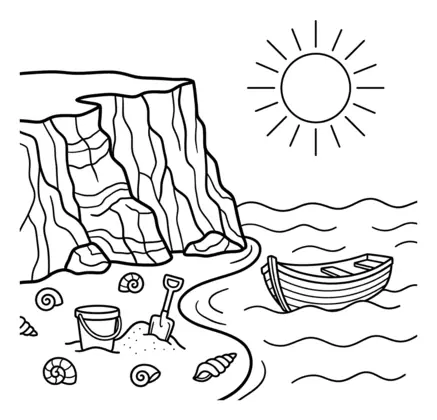
Reception–Year 1 · Seaside and coastsSheet 43
At the Seaside: Land and Sea
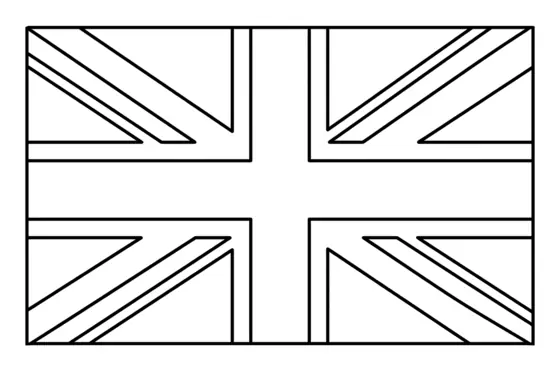
Reception–Year 1 · The UKSheet 44
Colour the Union Flag
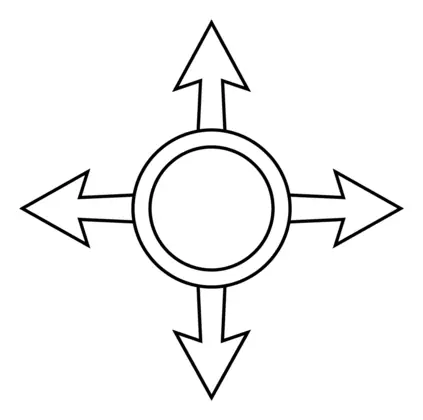
Years 1–2 · Map skillsSheet 89
Compass Directions: North, East, South, West
Years 1–2 · The UKSheet 92
Countries and Capitals of the UK
Reception–Year 1 · Festivals and celebrationsSheet 7
Festivals Around the World
Reception–Year 1 · TransportSheet 45
Land, Air and Water Transport
Educational quiz app · Ages 5-10
More learning in the Owee app
Owee turns topics like this into quizzes for children aged 5 to 10, and a treehouse grows as they learn. No ads, no chat, no strangers.
- Family-friendly
- No ads
- Private
Educational quiz app · Ages 5-10
More learning in the Owee app
Owee turns topics like this into quizzes for children aged 5 to 10, and a treehouse grows as they learn. No ads, no chat, no strangers.
Scan with your phone camera
- Family-friendly
- No ads
- Private