Educational quiz app · Ages 5-10
This is what learning looks like


Educational quiz app · Ages 5-10
This is what learning looks like
No nagging required. Keep the learning going after the worksheet, with every question read aloud and Owee guiding each step.
Scan with your phone camera
- Family-friendly
- No ads
- Private
Geography · Colouring and writing worksheet
Festivals Around the World: Free KS1 Worksheet
Around the world, families mark special times of year with festivals, and many of them share one thing: light. From the diyas of Diwali to candles at Christmas, lanterns at Lunar New Year and the lights that decorate many homes at Eid, light is used in lots of celebrations to bring people together and make a moment feel special.
This free printable is designed for children aged 5 to 7. It pairs a simple colouring picture of festival symbols with a short, supported writing task, giving young learners a calm way to notice that different people celebrate in different ways, often with similar feelings of joy and togetherness.
What your child is learning
‘Know some similarities and differences between different religious and cultural communities in this country, drawing on their experiences and what has been read in class.’
Reception (EYFS): People, Culture and Communities early learning goal (closest statutory match; festivals are usually taught in RE, which is not part of the National Curriculum), Department for Education. Source and licence
Festivals Around the World
Free Geography worksheet · Ages 5 to 7
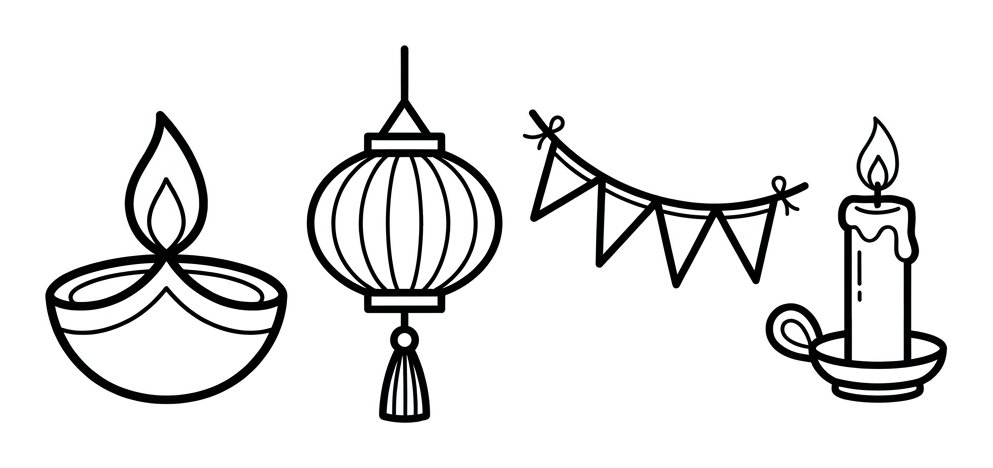
Colour the symbols
Colour the four festival symbols. Many festivals use light, so make the flames bright.
- Colour the flames on the diya and the candle orange and yellow.
- Colour the lantern red and the bunting in lots of colours.
Finish the sentences
Write the missing word in each sentence. Use the word bank.
At Diwali, families light small lamps. Diwali is called the festival of __.
At Lunar New Year, many families hang up a red paper __.
At Christmas, some people light a __ on the table.
Eid al-Fitr comes at the end of Ramadan. Muslim families __ with special food and new clothes.
 Festivals Around the WorldSheet 7
Answers: Festivals Around the World
Sheet 7
- At Diwali, families light small lamps. Diwali is called the festival of lights.
- At Lunar New Year, many families hang up a red paper lantern.
- At Christmas, some people light a candle on the table.
- Eid al-Fitr comes at the end of Ramadan. Muslim families celebrate with special food and new clothes.
For grown-ups. Free worksheets and the Owee quiz app at owee.world
Answer key
- At Diwali, families light small lamps. Diwali is called the festival of lights.
- At Lunar New Year, many families hang up a red paper lantern.
- At Christmas, some people light a candle on the table.
- Eid al-Fitr comes at the end of Ramadan. Muslim families celebrate with special food and new clothes.
Why young children explore festivals
Learning about festivals is one of the first ways children begin to understand that families near and far have their own traditions. For five to seven year olds, the aim is not to memorise dates or religious detail but to build a warm, respectful curiosity: noticing that some people light diyas, some decorate trees, some hang lanterns and some share special meals. Seeing these celebrations side by side helps children feel that difference is normal and welcome, which is at the heart of early Religious Education and the Reception focus on people, culture and communities. Starting with a shared symbol, light, gives children an easy way in.
Four festivals, one shared idea: light
This worksheet mentions four widely celebrated festivals. Diwali, often called the festival of lights, is celebrated by Hindus, Sikhs and Jains, who light small oil lamps called diyas. Christmas is celebrated by Christians, and by many other families too, often with candles and strings of lights. Eid al-Fitr, at the end of the month of Ramadan, is a Muslim celebration with prayers, special meals, new clothes, gifts and giving to people in need; many families also decorate their homes with lights and lanterns. Lunar New Year, celebrated by Chinese, Vietnamese, Korean and other communities, is known for its red lanterns. Light links them, but it is worth telling children that each festival has its own meaning, and that light is only one part of it.
How to use this sheet at home or in class
Offer crayons or coloured pencils. Begin with the colouring: as children colour the diya, lantern, bunting and candle, talk gently about where they might have seen lights like these. Bunting is not tied to one festival, so it is a good way to talk about the decorations families put up for all kinds of celebrations, from Eid to birthdays. Then move to the writing task, reading each sentence aloud and letting children choose a word from the word bank. Keep the conversation open and accepting, and follow children's questions. Many children will have festivals of their own to share, which makes this a good small-group or circle-time activity.
Building respect and vocabulary
Alongside geography and early RE, this activity supports speaking, listening and vocabulary. Words such as festival, celebrate, lantern, candle and diya may be new, and saying and writing them helps fix them in memory. Encourage children to describe what they can see and to ask about traditions they do not know. Talking about every festival in the same respectful way, rather than treating one celebration as the normal one, sets a positive tone. You might extend the work by sharing a picture book linked to one festival, listening to music from a celebration, or inviting families to tell the class about a festival that matters to them.
Frequently asked questions
What is this Festivals Around the World worksheet for?
It is a free, printable activity for children aged 5 to 7 that helps them recognise that people around the world celebrate different festivals, such as Diwali, Christmas, Eid and Lunar New Year, often using lights and special symbols. Children colour the picture and complete four short sentences using a word bank.
Which festivals does it cover?
It focuses on four widely celebrated festivals: Diwali, Christmas, Eid and Lunar New Year. The shared theme of light, including diyas, candles and lanterns, helps young children see connections while still appreciating that each celebration is different.
Is this suitable for KS1 RE and EYFS?
Yes. It supports KS1 Religious Education on festivals and celebrations, following your locally agreed syllabus, and the EYFS Understanding the World strand 'People, Culture and Communities'. It is designed to be respectful and inclusive of all families.
How long does the activity take?
As a rough guide, allow about 20 minutes: some time to colour at a relaxed pace, and a few minutes for the four sentences. It suits a short lesson slot or a quiet activity at home.
Do I need any special equipment to use it?
No. Print the single A4 page and provide crayons or coloured pencils and a pencil for writing. Reading the sentences aloud and chatting about the pictures will help children who are still building their confidence with writing.
Curriculum links
- Reception (EYFS): People, Culture and Communities early learning goal (closest statutory match; festivals are usually taught in RE, which is not part of the National Curriculum) (statutory): 'Know some similarities and differences between different religious and cultural communities in this country, drawing on their experiences and what has been read in class.'
Quoted word for word from Department for Education documents: the National Curriculum in England, the EYFS framework or the RSHE guidance. Contains public sector information licensed under the Open Government Licence v3.0.
Made by The Owee education team. Updated 13/10/2026. Free to print and share.
More geography worksheets
All Reception Geography worksheets →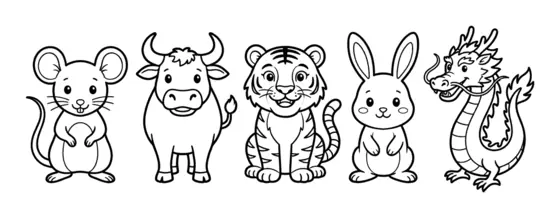
Reception–Year 1 · Festivals and celebrationsSheet 8
Lunar New Year Zodiac Animals
Reception–Year 1 · Seaside and coastsSheet 43
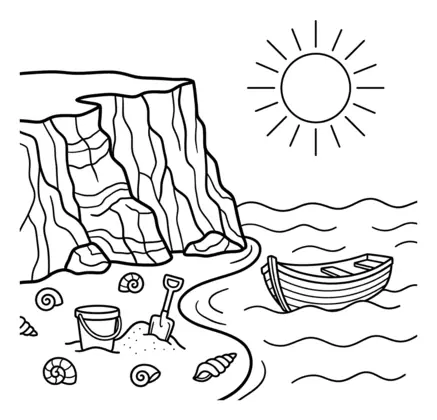
At the Seaside: Land and Sea
Reception–Year 1 · The UKSheet 44
Colour the Union Flag
Years 1–2 · Map skillsSheet 89
Compass Directions: North, East, South, West
Years 1–2 · The UKSheet 92
Countries and Capitals of the UK
Years 1–2 · Hot and cold placesSheet 88
Hot and Cold Places of the World
Educational quiz app · Ages 5-10
More learning in the Owee app
Owee turns topics like this into quizzes for children aged 5 to 10, and a treehouse grows as they learn. No ads, no chat, no strangers.
- Family-friendly
- No ads
- Private
Educational quiz app · Ages 5-10
More learning in the Owee app
Owee turns topics like this into quizzes for children aged 5 to 10, and a treehouse grows as they learn. No ads, no chat, no strangers.
Scan with your phone camera
- Family-friendly
- No ads
- Private