Educational quiz app · Ages 5-10
This is what learning looks like


Educational quiz app · Ages 5-10
This is what learning looks like
No nagging required. Keep the learning going after the worksheet, with every question read aloud and Owee guiding each step.
Scan with your phone camera
- Family-friendly
- No ads
- Private
PSHE · Colouring and matching worksheet
Feelings and Emotions Worksheet (Free KS1 Colouring and Matching)
Learning to recognise and name feelings is one of the first steps in a child's emotional development, and it is part of the health education every primary school in England teaches. This free printable gives children aged 5 to 7 a gentle way to explore four everyday emotions, happy, sad, angry and surprised, by colouring four faces, reading clues about each one and finishing with how they feel today.
The worksheet prints to a single A4 page and works well at home, in the classroom or during a calm-down moment. Use it as a conversation starter: as your child colours, ask them when they last felt each way, and help them build the varied vocabulary they need to talk about their own and other people's feelings.
What your child is learning
‘How to recognise feelings and use varied vocabulary to talk about their own and others’ feelings.’
RSHE statutory guidance (2025), primary Health education: General wellbeing, Department for Education. Source and licence

How Do You Feel Today?
Free PSHE worksheet · Ages 5 to 7
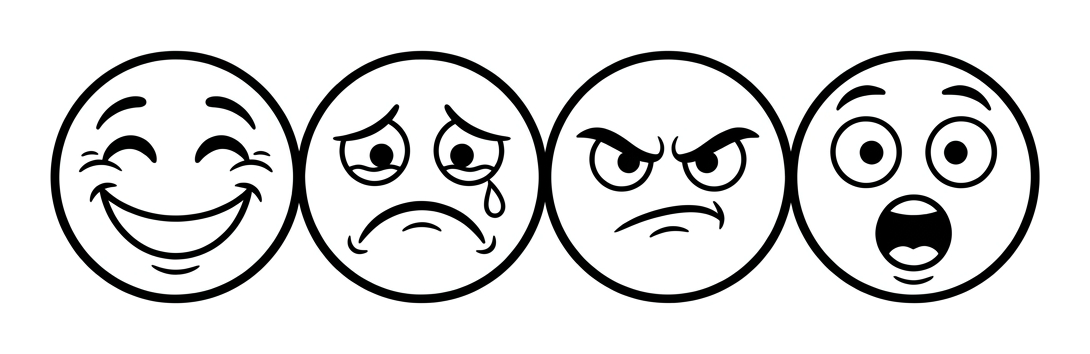
Colour the faces
Colour the four faces. Pick a colour that you think matches each feeling.
Name the feeling
Read each clue and write the feeling it describes. Use the word bank to help you.
This face has a big smile and looks cheerful. The feeling is...
This face has a downturned mouth and a tear. The feeling is...
This face has low, frowning eyebrows, as if something is unfair. The feeling is...
This face has raised eyebrows and a wide open mouth. The feeling is...
How do you feel today? Write a feelings word.
 How Do You Feel Today?Sheet 54
Answers: How Do You Feel Today?
Sheet 54
- This face has a big smile and looks cheerful. The feeling is... — happy
- This face has a downturned mouth and a tear. The feeling is... — sad
- This face has low, frowning eyebrows, as if something is unfair. The feeling is... — angry
- This face has raised eyebrows and a wide open mouth. The feeling is... — surprised
For grown-ups. Free worksheets and the Owee quiz app at owee.world
Answer key
- This face has a big smile and looks cheerful. The feeling is... — happy
- This face has a downturned mouth and a tear. The feeling is... — sad
- This face has low, frowning eyebrows, as if something is unfair. The feeling is... — angry
- This face has raised eyebrows and a wide open mouth. The feeling is... — surprised
What children learn from this feelings worksheet
The statutory RSHE guidance for primary schools says children should learn how to recognise feelings and use varied vocabulary to talk about their own and others’ feelings. Here children look closely at four cartoon faces and connect each expression to a clue, such as a smiling mouth meaning happy or raised eyebrows and an open mouth meaning surprised. Reading faces is a skill that grows with practice: noticing what the eyebrows are doing, not just the mouth, helps children read the people around them. The last question asks how they feel today, which gives you an easy way into a conversation.
How to use this worksheet at home or in class
Print the sheet and have colouring pencils ready. Start by talking through the four faces together before any writing or colouring begins, naming each feeling out loud. Encourage children to copy the expressions with their own face, which makes the link between the word and the feeling more memorable. As they complete the matching task, resist correcting too quickly; instead ask gentle questions like 'What is the mouth doing on this face?' In a classroom, the sheet works well in pairs, with children describing a face for their partner to point to. Keep the tone warm and curious. For the last question any honest answer is the right one, including “cross” or “tired”, so accept it without trying to cheer it away.
Building a feelings vocabulary beyond the basics
The RSHE guidance asks that children develop a varied vocabulary for talking about feelings, so once the four core words are secure you can extend the conversation. Happy might also be cheerful, excited or proud; sad might be disappointed, lonely or upset; angry might be cross, frustrated or annoyed; and surprised might be shocked, amazed or startled. Introducing one or two extra words at a time, linked to real situations the child has experienced, helps the vocabulary stick. You might keep a simple feelings chart on the fridge or wall and add a new word each week.
Why naming feelings matters for young children
Being able to name a feeling is the first step towards managing it. When a child can say 'I feel angry' rather than acting the feeling out, they have a moment to pause and choose what to do next. A helpful message for children is that all feelings are OK, but some ways of showing them are not: it is fine to feel angry, and it is not fine to hit. Let children know they can always tell a grown-up they trust how they feel. Pairing the sheet with everyday check-ins, such as asking how your child feels at the end of the school day, turns a one-off activity into a habit. If a child often seems very sad, worried or angry, talk to their teacher or GP.
Frequently asked questions
What feelings worksheet is best for a 5 year old?
For a child aged 5, choose a worksheet that focuses on just a few clearly different feelings, such as happy, sad, angry and surprised, and that uses large, simple faces. This free KS1 sheet does that, pairing colouring with short clues so young children can name each emotion.
How do I teach my child to recognise emotions?
Start with a small set of clearly different feelings and name them out loud as you spot them in faces, stories and everyday life. Encourage your child to copy the expressions and to link each feeling to a real moment, such as feeling excited before a party. Worksheets like this one give a calm, structured way to practise reading faces together.
Is this worksheet suitable for KS1 PSHE lessons?
Yes. It supports the statutory RSHE guidance for primary schools on recognising feelings and using varied vocabulary to talk about them. It can be used as a whole-class starter, a paired speaking activity or an independent task.
Is the feelings worksheet free to print?
Yes. The worksheet is completely free to download and print, and it fits onto a single A4 page. You can print as many copies as you need for your family or classroom.
What age is this feelings and emotions worksheet for?
It is designed for children aged 5 to 7, which covers Years 1 and 2 in KS1. The simple faces and short descriptions suit early readers, while older or more confident children can extend the activity by adding extra feelings words.
Curriculum links
- RSHE statutory guidance (2025), primary Health education: General wellbeing (statutory): 'How to recognise feelings and use varied vocabulary to talk about their own and others’ feelings.'
Quoted word for word from Department for Education documents: the National Curriculum in England, the EYFS framework or the RSHE guidance. Contains public sector information licensed under the Open Government Licence v3.0.
Made by The Owee education team. Updated 13/10/2026. Free to print and share.
Educational quiz app · Ages 5-10
More learning in the Owee app
Owee turns topics like this into quizzes for children aged 5 to 10, and a treehouse grows as they learn. No ads, no chat, no strangers.
- Family-friendly
- No ads
- Private
Educational quiz app · Ages 5-10
More learning in the Owee app
Owee turns topics like this into quizzes for children aged 5 to 10, and a treehouse grows as they learn. No ads, no chat, no strangers.
Scan with your phone camera
- Family-friendly
- No ads
- Private