Educational quiz app · Ages 5-10
This is what learning looks like


Educational quiz app · Ages 5-10
This is what learning looks like
No nagging required. Keep the learning going after the worksheet, with every question read aloud and Owee guiding each step.
Scan with your phone camera
- Family-friendly
- No ads
- Private
Geography · Colouring and labelling worksheet
The Equator and the Hemispheres: Free KS2 Geography Worksheet
This free printable worksheet introduces children aged 7 to 9 to one of the most important ideas in Key Stage 2 geography: how we describe where places are on the globe. Using one clear drawing of the globe, children colour the land and sea, then label the Equator, the Northern and Southern Hemispheres and the North and South Poles.
It works at home or in the classroom and needs only a pencil and colouring pencils. A word bank helps children work on their own, and three short questions ask them to use what they have labelled: which half of the world the UK is in, and why the seasons are swapped in Australia.
What your child is learning
‘identify the position and significance of latitude, longitude, Equator, Northern Hemisphere, Southern Hemisphere, the Tropics of Cancer and Capricorn, Arctic and Antarctic Circle, the Prime/Greenwich Meridian and time zones (including day and night)’
Key stage 2 Geography: Locational knowledge, National Curriculum in England. Source and licence
The Equator and the Hemispheres
Free Geography worksheet · Ages 7 to 9
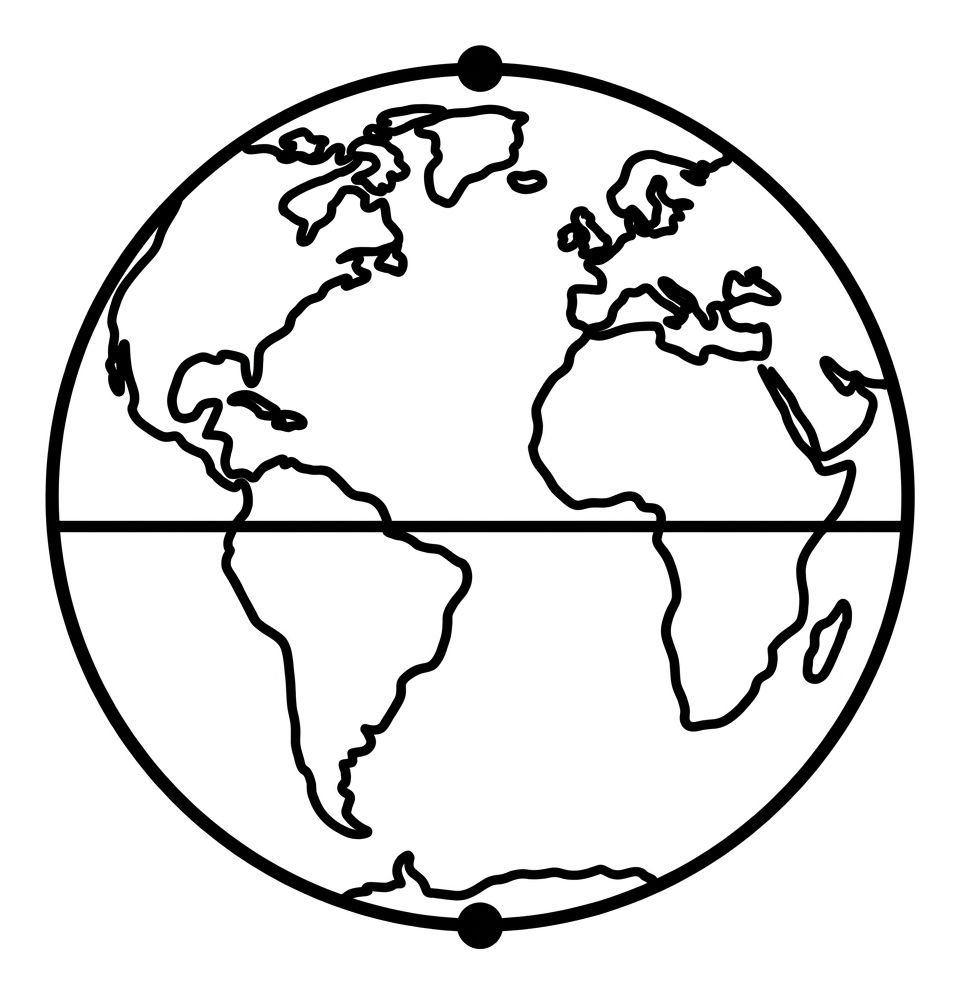
Label and colour the globe
Write the right word for each number. Use the word bank. Then colour the sea blue, the land green and the Equator red.
- 1
- 2
- 3
- 4
- 5
Use the globe
Answer each question on the line.
Which hemisphere is the UK in?
Name one continent that the Equator crosses on this globe.
Australia is in the Southern Hemisphere. When it is summer in the UK, what season is it in Australia?
 The Equator and the HemispheresSheet 123
Answers: The Equator and the Hemispheres
Sheet 123
- 1. Equator
- 2. South Pole
- 3. Northern Hemisphere
- 4. North Pole
- 5. Southern Hemisphere
- Which hemisphere is the UK in? — The Northern Hemisphere
- Name one continent that the Equator crosses on this globe. — Africa or South America
- Australia is in the Southern Hemisphere. When it is summer in the UK, what season is it in Australia? — Winter
For grown-ups. Free worksheets and the Owee quiz app at owee.world
Answer key
- 1. Equator
- 2. South Pole
- 3. Northern Hemisphere
- 4. North Pole
- 5. Southern Hemisphere
- Which hemisphere is the UK in? — The Northern Hemisphere
- Name one continent that the Equator crosses on this globe. — Africa or South America
- Australia is in the Southern Hemisphere. When it is summer in the UK, what season is it in Australia? — Winter
What this worksheet teaches
This sheet helps children build the vocabulary of locational knowledge: the Equator, the two hemispheres and the poles. The Equator is an imaginary line drawn around the middle of the Earth at 0° latitude. It divides the planet into two equal halves, or hemispheres. Everything above the Equator is in the Northern Hemisphere and everything below it is in the Southern Hemisphere. The United Kingdom, for example, lies in the Northern Hemisphere. The North Pole sits at the very top of the globe and the South Pole at the very bottom; these are the two points furthest from the Equator. By colouring and labelling a single globe, children fix these terms in place visually before moving on to latitude, longitude and the tropics later in Key Stage 2.
How to use it at home or in class
Begin by talking about the globe as a whole: where is the land, where is the sea? Encourage the child to colour the oceans blue and the land green or brown so the continents stand out clearly. Next, trace the bold line around the middle with a finger and explain that this is the Equator. Ask which half is the top (Northern Hemisphere) and which is the bottom (Southern Hemisphere). Finally, point to the two dots at the top and bottom and name the North and South Poles. A common misconception is that the Equator is a real line you could see or a wall you could touch; explain that it is an imaginary line that map-makers draw. The word bank sits above the labelling lines, so children can check their spelling as they go, and you can talk through the answers together afterwards rather than treating it as a test.
Why the Equator and hemispheres matter
These ideas are not just labels; they help explain the world children see around them. Places near the Equator are generally hot all year round because the Sun's rays are most direct there, while the poles are extremely cold. The hemispheres also help explain why the seasons are reversed: when it is summer in the Northern Hemisphere it is winter in the Southern Hemisphere. Understanding that the Earth can be divided in this way gives children a framework they will return to when they study climate zones, time zones, the Tropics of Cancer and Capricorn, and the Arctic and Antarctic Circles in later years.
Extending the learning
Once the worksheet is complete, you can deepen understanding with a real globe or a world map. Ask the child to find their own country and decide which hemisphere it is in, then choose a country in the opposite hemisphere to compare. You might also point out countries the Equator passes through, such as Ecuador, Kenya and Indonesia, and discuss what their weather might be like. For a quick game, name a place and ask whether it is north or south of the Equator. Good ones to try are Brazil and Indonesia, because the Equator runs through both, so they are in both hemispheres.
Frequently asked questions
What is the Equator in simple terms for KS2?
The Equator is an imaginary line drawn around the middle of the Earth, halfway between the North and South Poles. It divides the planet into two equal halves called hemispheres and marks the line of 0 degrees latitude. Places near the Equator tend to be hot all year round.
What are the Northern and Southern Hemispheres?
A hemisphere means half of a sphere, or half of the Earth. The Equator splits the globe into two: everything above the Equator is the Northern Hemisphere and everything below it is the Southern Hemisphere. The United Kingdom is in the Northern Hemisphere.
Which hemisphere is the United Kingdom in?
The United Kingdom is in the Northern Hemisphere because it lies well above the Equator. It is also part of the continent of Europe. This worksheet helps children locate the hemispheres so they can begin placing their own country on the globe.
Is this Equator and hemispheres worksheet free to print?
Yes. This worksheet is free to download and print at home or in school. It is designed for one A4 page and needs only a pencil and colouring pencils, so it suits Year 3 and Year 4 geography lessons or home learning.
What age and key stage is this worksheet for?
It is designed for children aged 7 to 9, which covers Years 3 and 4 at Key Stage 2. The labelling task and word bank introduce the Equator, hemispheres and poles, and the short questions ask children to apply them. The tropics, latitude and longitude come later in Key Stage 2.
Curriculum links
- Key stage 2 Geography: Locational knowledge (statutory): 'identify the position and significance of latitude, longitude, Equator, Northern Hemisphere, Southern Hemisphere, the Tropics of Cancer and Capricorn, Arctic and Antarctic Circle, the Prime/Greenwich Meridian and time zones (including day and night)'
Quoted word for word from Department for Education documents: the National Curriculum in England, the EYFS framework or the RSHE guidance. Contains public sector information licensed under the Open Government Licence v3.0.
Made by The Owee education team. Updated 13/10/2026. Free to print and share.
More geography worksheets
All Year 3 Geography worksheets →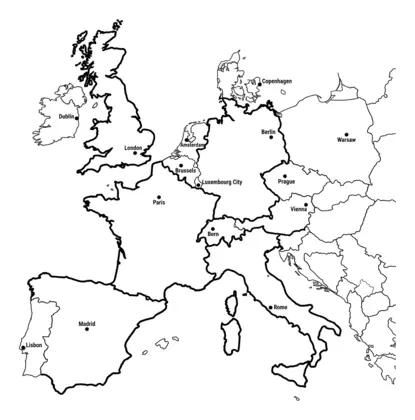
Years 4–5 · EuropeSheet 161
Countries and Capitals of Europe
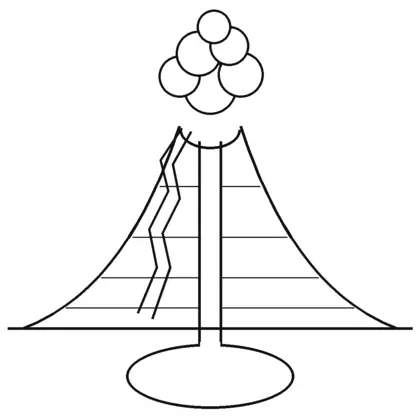
Years 3–4 · Volcanoes and earthquakesSheet 164
Inside a Volcano
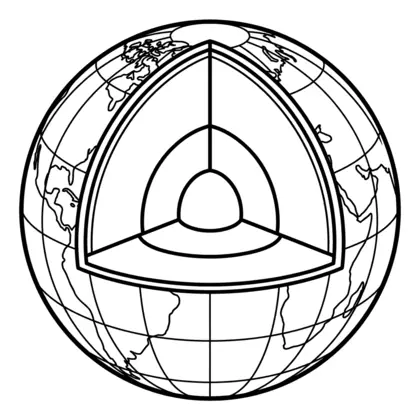
Years 3–4 · Volcanoes and earthquakesSheet 165
Layers of the Earth
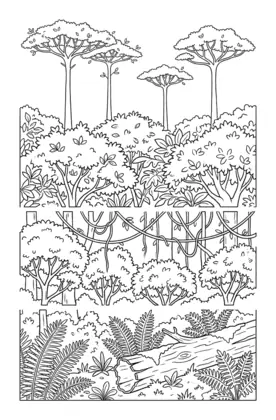
Years 3–4 · RainforestsSheet 163
Layers of the Rainforest
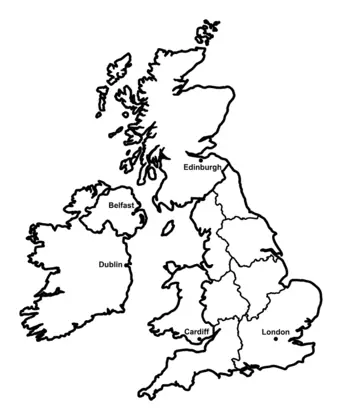
Years 2–3 · The UKSheet 93
Map of the United Kingdom
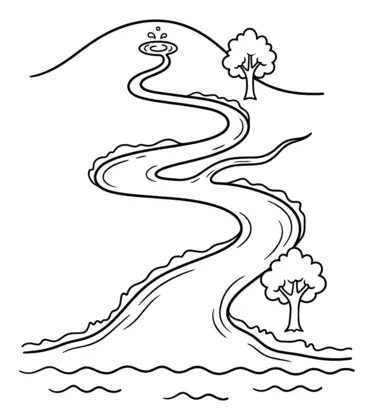
Years 3–4 · RiversSheet 125
Parts of a River
Educational quiz app · Ages 5-10
More learning in the Owee app
Owee turns topics like this into quizzes for children aged 5 to 10, and a treehouse grows as they learn. No ads, no chat, no strangers.
- Family-friendly
- No ads
- Private
Educational quiz app · Ages 5-10
More learning in the Owee app
Owee turns topics like this into quizzes for children aged 5 to 10, and a treehouse grows as they learn. No ads, no chat, no strangers.
Scan with your phone camera
- Family-friendly
- No ads
- Private